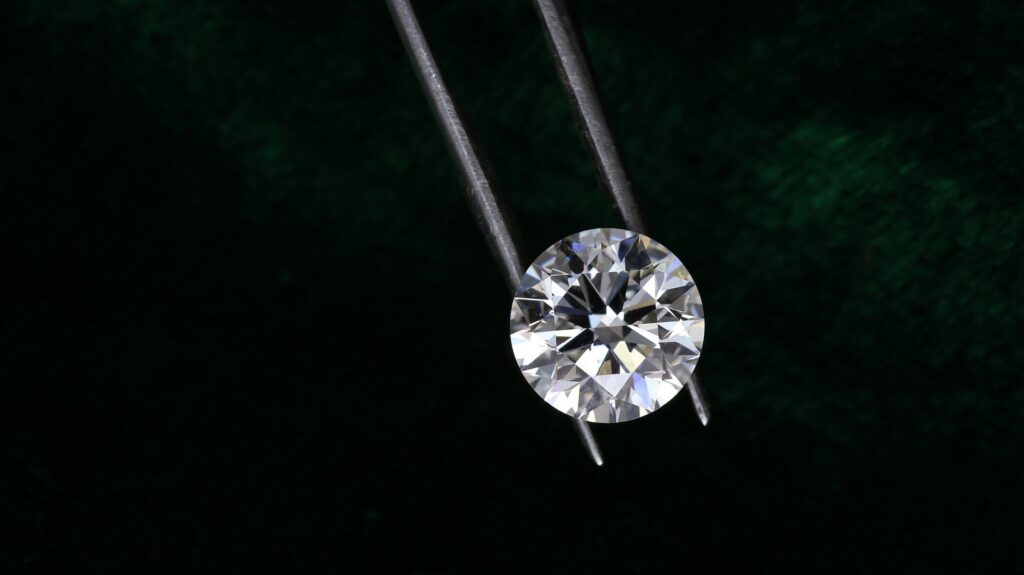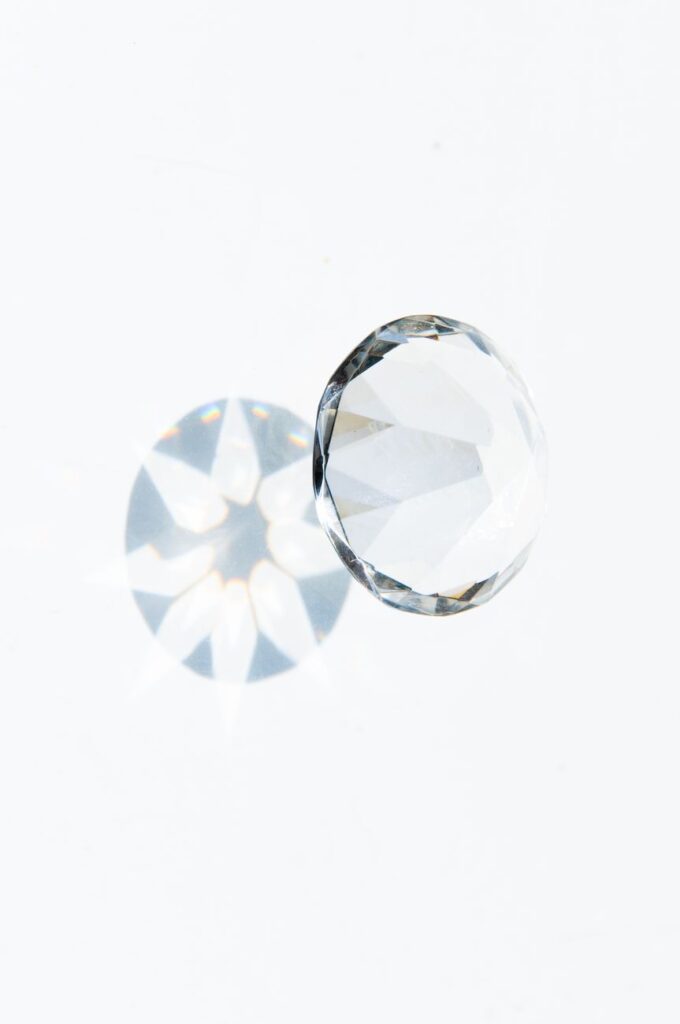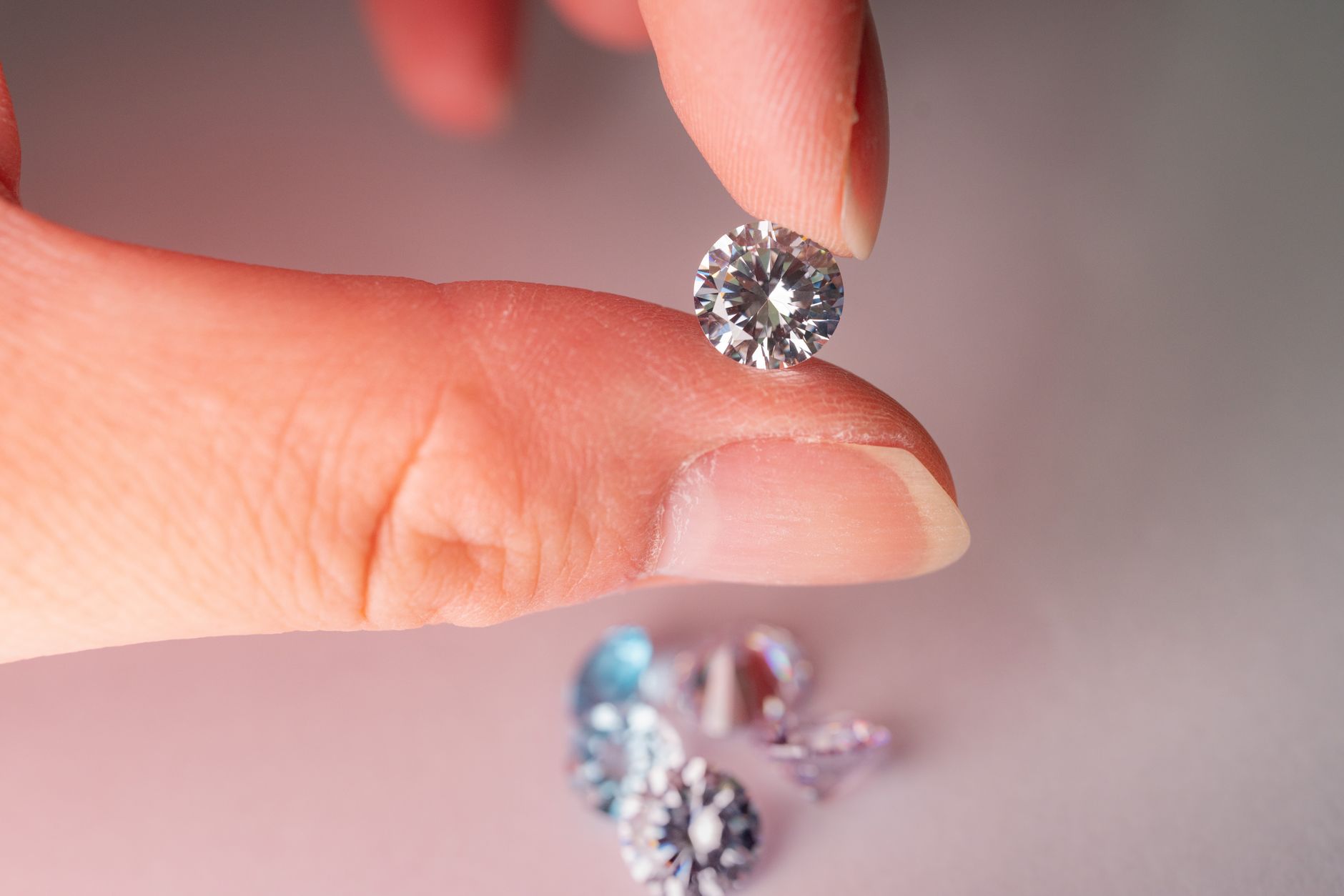
Diamond cut is one of the most important factors in how a diamond looks, and it can also influence how people perceive diamond color. For many buyers, the question is not just whether a diamond is well cut, but can diamond cut affect diamond color in a way that you can actually see? The short answer is yes, but not because the cut changes the diamond’s true body color. Instead, cut affects how color appears to the eye by changing brightness, contrast, and the amount of light the diamond returns.
This matters because two diamonds with the same color grade can look different in real life. A well-cut diamond often appears whiter and more lively, while a poorly cut diamond can show more noticeable tint or look duller even if the grading report says the color grade is the same. Understanding this relationship can help buyers make better choices, especially when comparing lab grown diamonds, where color and cut decisions often have a big impact on value.
Quick Answer: Can Diamond Cut Affect Diamond Color?
Yes, diamond cut can affect how diamond color is perceived, but it does not change the diamond’s actual color grade. The cut influences how light moves through the stone, and that can make color look more or less visible.
A well-cut diamond reflects more light back to the viewer. That brightness can help reduce the appearance of tint, especially in diamonds that are near the edge of a color grade. A poorly cut diamond may let more light leak out, which can make body color easier to notice.
For most buyers, this means cut and color should be considered together rather than separately. A great cut can make a diamond look more attractive than its color grade alone might suggest, while a weak cut can make a diamond appear less appealing even if the color grade is strong.
What Diamond Cut Actually Means
When people hear the word “cut,” they often think about a diamond’s shape, such as round, oval, or cushion. In gemology, though, cut refers to how well a diamond has been shaped and faceted to interact with light. It includes proportions, symmetry, polish, and the overall quality of the diamond’s design and finish.
Cut is not the same as carat, color, or clarity. Carat measures weight, color measures how much tint is present, and clarity measures internal or external features. Cut is about performance. A diamond with excellent cut can look brighter, more brilliant, and more balanced than a larger diamond with a weaker cut.
For round brilliant diamonds, cut quality is usually graded by laboratories such as GIA using terms like Excellent, Very Good, Good, Fair, or Poor. For fancy shapes, cut is more complicated because grading systems are less standardized, so buyers often need to pay closer attention to proportions, symmetry, and real-world appearance.
Cut versus shape
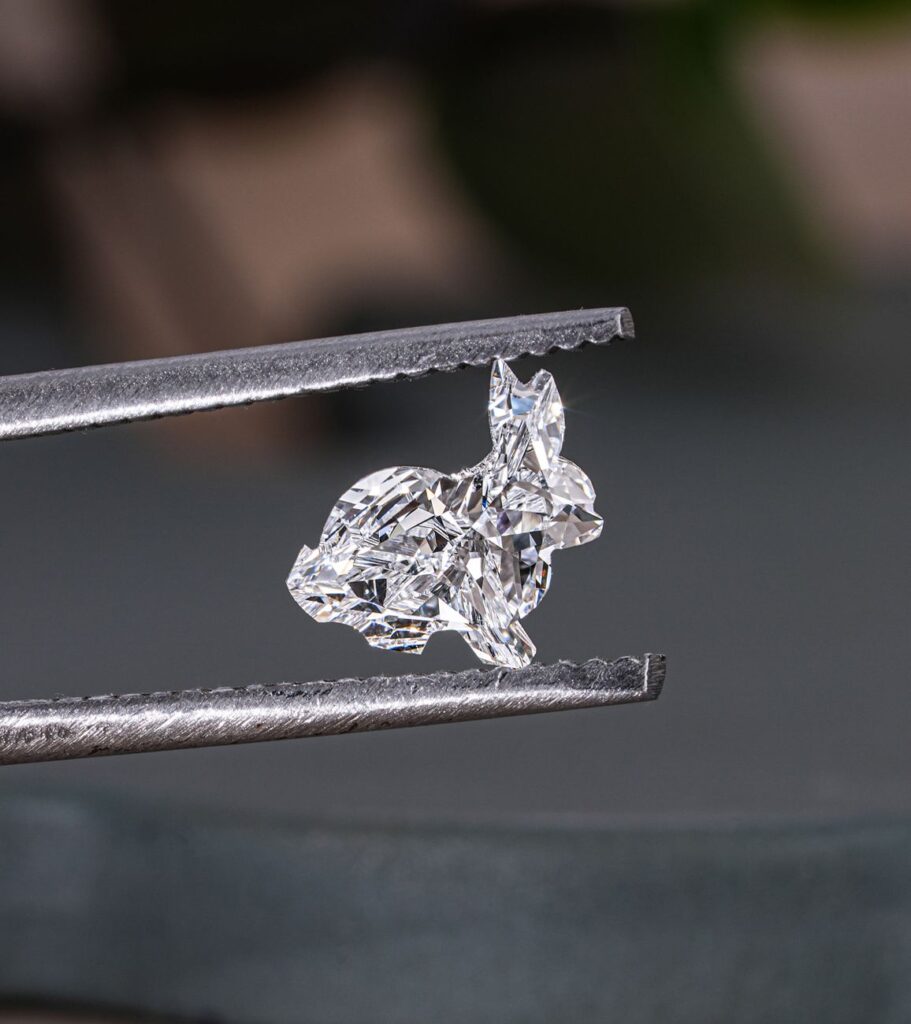
Shape is the outline of the diamond. Cut is how that shape is executed. A round diamond and an oval diamond are different shapes, but each can still have a good or bad cut.
This distinction matters because some people assume a diamond’s shape determines how sparkly or bright it will be. In reality, the quality of the cut within that shape plays a major role in how much light returns to the eye.
Why Cut Can Influence the Appearance of Color
Diamond color is graded based on the diamond’s body color, usually under controlled lighting and against a standard. But in everyday viewing, people do not look at a diamond under laboratory conditions. They see it in sunlight, office lighting, restaurant lighting, and home lighting. In those settings, cut can make a diamond’s color appear stronger or weaker.
There are a few reasons this happens. First, a well-cut diamond returns more white light to the viewer, which can help mask subtle tint. Second, the distribution of light and dark areas in the stone affects how color is perceived. Third, a diamond that is dull or lifeless often makes tint easier to notice because there is less bright reflection to draw the eye.
This is why some buyers are surprised that two diamonds with identical color grades do not always look the same. The cut can change the visual impression significantly, especially in near-colorless and faint-color stones.
Brightness can mask color
Brightness, often called brilliance, is the amount of white light a diamond reflects back. When brightness is strong, the eye tends to focus on sparkle and contrast rather than body tint. That does not eliminate color, but it can reduce how noticeable it feels.
This is one reason well-cut diamonds often look “whiter” than poorly cut diamonds of the same grade. The color is not gone. It is simply less obvious because the diamond is performing better optically.
Light leakage can make tint easier to notice
Light leakage happens when light enters a diamond but escapes from the bottom or sides instead of reflecting back to the viewer. This can make the stone appear less bright and can also make body color more visible.
When a diamond leaks too much light, the eye has less sparkle and less brightness to focus on. As a result, even a modest amount of color may stand out more than it would in a well-cut stone.
What Buyers Actually See in Real Life
Most buyers do not inspect diamonds under gemological lighting. They look at a diamond from a few inches away, sometimes in motion, and often in mixed lighting. That means the practical question is not whether cut changes color on paper, but whether the difference is visible in daily life.
In many cases, the answer is yes. A well-cut diamond can look cleaner, brighter, and more colorless than a poorly cut diamond of the same color grade. The effect is usually subtle in high-color grades, but it becomes more noticeable as color grade drops or as cut quality weakens.
For example, in a near-colorless diamond, a better cut may make the stone appear crisp and bright. In a diamond with more visible tint, a strong cut can help reduce the visual impact, though it will not turn a tinted diamond into a colorless one.
What most buyers notice first
Most people notice brightness before they notice color. A diamond that throws strong light tends to look more attractive overall, and the eye often forgives slight tint when the stone is lively and balanced.
When a diamond is dull, the opposite happens. Color, clarity features, and even minor proportion issues become easier to see because there is less sparkle to distract from them.
How Cut Affects Sparkle, Fire, and Brilliance
Cut influences several visual qualities that buyers often describe loosely as “sparkle.” In reality, sparkle is a combination of different effects.
Brilliance
Brilliance is the white light returned by a diamond. It gives the stone its overall brightness and is one of the main ways a diamond appears lively. Good brilliance can help make slight color less obvious because the eye is drawn to the bright reflections.
Fire
Fire is the colored flashes of light you see when a diamond disperses white light into spectral colors. While fire is not the same as diamond color, it contributes to the stone’s liveliness and can make a diamond feel more vibrant. A diamond with good fire may appear more attractive even if its body color is not the highest grade.
Scintillation
Scintillation is the pattern of sparkle and dark-light contrast that appears as a diamond moves. Strong scintillation creates an attractive “on-off” sparkle effect. This contrast can help mask body color because the stone is visually busy and bright.
Light return
Light return refers to how much light comes back to the eye after entering the diamond. Better light return generally means more brilliance and better overall appearance. Since more light is returning to the viewer, the stone often looks whiter than a poorly performing diamond of the same color grade.
How Cut and Color Work Together
Cut and color are not independent in the way many new buyers assume. A diamond’s color grade describes its body color, but cut determines how that color is presented visually.
This becomes especially important when comparing diamonds near a grading boundary. For example, a well-cut H color diamond may look more appealing than a poorly cut F color diamond in casual viewing. The F grade is technically whiter, but the cut quality can make the H diamond appear brighter and more pleasant overall.
That does not mean cut replaces color. It means the two should be balanced. Some buyers prefer to spend more on cut because it affects everyday beauty more dramatically. Others prefer a higher color grade for a whiter look, especially in larger stones or certain settings.
Color visibility by grade range
| Color range | How cut affects appearance | What buyers usually notice |
|---|---|---|
| D to F | Cut still matters, but color is already quite minimal | Brightness and sparkle matter more than tint |
| G to J | Cut can noticeably help a diamond appear whiter | Good cut may reduce visible warmth in everyday wear |
| K and below | Cut can improve appearance, but body color is more obvious | Warmth will still be visible, especially in larger stones |
Why the Effect Is More Noticeable in Some Diamonds Than Others
The impact of cut on perceived color is not the same for every diamond. Several factors influence how visible the difference will be.
Stone size
Larger diamonds often show color more easily than smaller ones because there is more surface area for the eye to evaluate. In a larger stone, cut quality becomes especially important because poor proportions can make tint more visible.
This is one reason buyers comparing 2-carat diamonds often notice color differences more than they did at 1 carat. The same cut problem can be more obvious in a larger diamond.
Diamond shape
Round brilliant diamonds tend to hide color better than many fancy shapes because of their facet pattern and strong light return. Shapes such as oval, pear, marquise, and emerald cut may show color more readily, depending on their cut style.
That means cut can affect color differently depending on shape. In some fancy shapes, a poorly designed cut may allow more body color to show, especially in the ends or edges of the stone.
Setting style
The metal around the diamond can also affect how color is perceived. A white metal setting, such as platinum or white gold, may make near-colorless diamonds appear brighter. Yellow or rose gold can make some subtle warmth less noticeable, which may be appealing to certain buyers.
Cut still matters in either case, because a bright diamond tends to interact more favorably with its setting. But the setting can either support or emphasize the stone’s color impression.
Lighting conditions
In bright lighting, a well-cut diamond often looks livelier and may appear whiter. In dim lighting, a diamond with strong cut can still perform better than a weak one, but both brightness and color evaluation become more difficult.
This is why buyers should not judge a diamond from only one lighting environment. A good stone should look pleasing in multiple settings.
Practical Examples of Cut Affecting Color
It helps to think in real-world terms rather than grading terminology alone. These examples show how cut can change the visual experience even when color grades are similar.
Example 1: A well-cut 1.5-carat diamond versus a poorly cut 2-carat diamond
A 2-carat diamond sounds more impressive on paper, but if the cut is weak, it may leak light and appear less brilliant. That dullness can make color more visible, especially near the edges or center of the stone.
The 1.5-carat diamond with a strong cut may look brighter, whiter, and more lively. Even though it is smaller, many buyers would prefer its face-up beauty in everyday wear.
Example 2: Excellent Cut versus Very Good Cut in everyday lighting
The difference between Excellent and Very Good cut can range from subtle to noticeable depending on the stone. In some cases, the Very Good diamond may look nearly identical to the Excellent one. In others, the Excellent diamond may show better brightness and a slightly cleaner color appearance.
For buyers who care about maximizing appearance, the improvement can be worthwhile. For buyers on a tighter budget, a carefully chosen Very Good cut can still be an excellent value if the proportions and visual performance are strong.
Example 3: Higher clarity with poor cut versus lower clarity with excellent cut
Clarity and cut are different qualities, but buyers often compare them because both affect visual beauty. A diamond with higher clarity but poor cut may still look less appealing than a lower-clarity diamond with excellent cut.
Why? Because sparkle and brightness are what most people notice first. Better light return can distract from minor clarity characteristics and can also make color appear less prominent.
How Cut Affects Diamond Value
Cut often provides some of the best value in diamond buying because it has such a strong effect on appearance. Many consumers make the mistake of focusing too heavily on carat or color and not enough on how the diamond actually performs.
When cut quality is strong, the diamond can look larger, brighter, and more refined. That can justify paying more, especially if the premium is modest compared with the visual improvement. But there are limits. Past a certain point, additional spending on cut may produce smaller and smaller visible gains.
When paying more for cut makes sense
Paying more for cut often makes sense when:
- You want the diamond to look as bright and lively as possible.
- You are choosing a near-colorless or faint-color diamond and want color to look less visible.
- You are buying a larger diamond, where cut problems may be easier to see.
- You want better long-term satisfaction when viewing the diamond in different lighting.
When the premium may be less useful
Spending more on cut may matter less when the difference is only theoretical or hard to see. For example, some buyers may not notice a small improvement between two already well-cut stones if the price difference is large.
In that case, it may be better to allocate budget toward a better overall balance of cut, color, clarity, and carat rather than chasing the highest cut grade at all costs.
How Cut Works in Lab Grown Diamonds
Cut matters just as much in lab grown diamonds as it does in natural diamonds. In fact, because lab grown diamonds often offer larger sizes and better color or clarity grades for the money, cut becomes a key factor in deciding which stone is actually the best value.
Lab grown diamonds can vary widely in cut quality. A diamond created in a lab is still a diamond, and it must be cut well to show its best appearance. The production method does not guarantee ideal light performance. The cutter’s skill still determines how much brightness, brilliance, and face-up beauty the stone will have.
Buyers comparing lab grown diamonds should not assume that all high-clarity or high-color stones will look great. A poorly cut lab grown diamond can still appear dull or show more color than expected. A well-cut lab grown diamond, by contrast, can look exceptionally bright and attractive for the price.
Why cut is especially important for value in lab grown diamonds
Lab grown diamonds often allow buyers to prioritize size while staying within budget. That makes it tempting to choose the largest stone possible. But if cut quality drops too far, the larger diamond may look less impressive than a slightly smaller one with better proportions and light performance.
For buyers focused on visual beauty, the best value often comes from balancing size with strong cut quality rather than maximizing carat weight alone.
Cut Factors That Influence How Color Is Seen
Several technical elements of cut can affect how color appears. You do not need to memorize these terms, but understanding them can help you make better comparisons.
Proportions
Proportions refer to the relationships between the diamond’s table, depth, crown, and pavilion. These measurements influence how light enters and exits the stone. Good proportions usually support brighter appearance and more balanced light return.
When proportions are off, the diamond may lose brilliance or leak light. That can make body color more noticeable because there is less white light returning to the eye.
Table percentage
The table is the large flat top surface of the diamond. Its percentage is one of the measurements that can influence overall appearance. A table that is too large or too small is not automatically bad, but it can affect how the diamond handles light.
Buyers should view table percentage as part of the whole cut picture, not as a single deciding factor. A good-looking diamond is the result of balance, not one number alone.
Depth percentage
Depth percentage measures how deep the diamond is relative to its width. If the stone is too deep, it can face up smaller than expected and may not return light efficiently. If it is too shallow, light can escape in ways that reduce brightness.
Both issues can influence perceived color because the diamond may appear less lively and more tinted than a well-balanced stone.
Symmetry
Symmetry refers to how precisely the facets are aligned and matched. Good symmetry supports even light behavior across the diamond. Poor symmetry can create uneven brightness, which may make the stone look less refined and sometimes make color appear inconsistent from one area to another.
For many buyers, symmetry differences are less obvious than overall cut performance, but they still matter for a polished, balanced appearance.
Polish
Polish describes how smooth and well-finished the diamond’s facet surfaces are. Good polish helps light travel cleanly across the stone. Poor polish can interfere with crisp reflections and slightly reduce overall visual quality.
While polish usually has a smaller impact on perceived color than proportions and light return, it still contributes to the diamond’s finish and sparkle.
Can a Better Cut Make a Lower Color Diamond Look Better?
Yes, in many cases it can. This is one of the most practical ideas buyers should understand. A well-cut diamond with a slightly lower color grade may look more attractive than a higher-color diamond with weak cut performance.
This does not mean you should ignore color. It means you should think in terms of appearance, not just grades. If a diamond has strong brilliance and clean light return, slight warmth may be less noticeable to the eye.
Many experienced buyers and jewelers recognize this quickly in person. They often prefer a diamond that “faces up” well over one that looks technically better on paper but less appealing in real lighting.
When Cut Cannot Hide Color
Cut can improve the appearance of color, but it has limits. If a diamond has a clearly visible warm tint, especially in the lower color grades, a great cut will not erase that color. It can only make the stone more attractive overall.
This is especially important for buyers choosing larger diamonds, fancy shapes, or diamonds set in white metal. In those situations, body color may remain visible regardless of cut quality.
So the goal is not to rely on cut as a disguise. The goal is to use cut to help the diamond look its best within its natural grading range.
Buying Considerations: How to Balance Cut and Color
For most buyers, the best approach is to think about how the diamond will actually be worn and viewed. A diamond ring is not a laboratory sample. It is a piece of jewelry that should look pleasing in everyday life.
Start with cut quality
Cut is often the first place to focus because it influences sparkle, brightness, and even the perceived color of the stone. If cut is weak, many other quality factors become less impressive.
For round brilliant diamonds, many buyers begin by looking for Excellent cut grades or the strongest available cut performance within budget. For fancy shapes, it is worth examining images, proportions, and light performance more carefully.
Choose a color range that fits your setting and size
If the diamond will be set in white metal and you prefer a very white look, you may want to stay in a higher color range. If you are open to a slightly warmer look, a stronger cut can help a near-colorless diamond appear bright and attractive.
The larger the diamond, the more important it becomes to balance cut and color thoughtfully.
Consider the certification
A grading report from a respected laboratory is helpful because it gives you an independent description of the diamond’s color, cut, and other qualities. For round diamonds, cut grades from major labs can be especially useful. For fancy shapes, certification still matters, but visual inspection becomes even more important.
If you are shopping for lab grown diamonds, certification is still important for verifying grading and helping you compare stones fairly.
Look at the diamond in real images or video when possible
Because cut affects color perception so much, images and videos can be very useful. They help you see whether the diamond looks bright, whether it has noticeable darkness or leakage, and whether any color is visible face-up.
Still, lighting can influence media too. Use images as a comparison tool, not as the only factor in your decision.
Common Buyer Mistakes
Many first-time buyers make the same avoidable mistakes when shopping for diamonds. Knowing these can save money and frustration.
Prioritizing carat over cut
A larger diamond with weak cut can look less beautiful than a slightly smaller but better-cut diamond. Buyers often focus on size because it is easy to understand, but appearance depends heavily on cut.
Overpaying for color without checking cut
Some shoppers spend heavily to move up a color grade, then choose a diamond with mediocre cut. If the stone does not return light well, the extra color may not translate into a better-looking diamond.
Ignoring light performance
Light performance is one of the most practical ways to judge a diamond’s appearance. If a diamond does not return light effectively, it will often look less lively, and color may be more noticeable.
Assuming all diamonds with the same grade look the same
Two diamonds with the same color grade can look noticeably different because cut and shape influence visual perception. That is why side-by-side comparison is so valuable.
Trusting paper grades alone
Grades matter, but they do not replace visual evaluation. A diamond can have an impressive report and still look less appealing than another stone with slightly different grades but stronger real-world performance.
Advantages of Strong Cut Quality
Strong cut quality offers several important benefits that matter to everyday buyers.
- Better sparkle: More brilliance, fire, and scintillation.
- Whiter appearance: Color often looks less noticeable in well-cut stones.
- More beauty for the grade: The diamond usually looks better than the numbers alone suggest.
- Better value perception: Buyers often feel more satisfied with a diamond that looks lively.
- More forgiving appearance: Minor color or clarity issues may be less obvious.
Limitations and Trade-Offs
Strong cut is important, but it is not a magic solution. Buyers should understand the limitations too.
- It cannot eliminate body color: It can only reduce how noticeable it looks.
- Premiums can rise quickly: The best-performing stones may cost more than the visual gain warrants for some buyers.
- Fancy shapes are harder to judge: Cut grading is less standardized than for round diamonds.
- Lighting matters: A diamond may look different in different environments, even if cut is excellent.
Frequently Asked Questions
Does diamond cut change the actual color of the diamond?
No. Cut does not change the diamond’s body color grade. It changes how that color is seen by affecting brightness, light return, and contrast.
Can a well-cut diamond look whiter?
Yes. A well-cut diamond often appears whiter because more light returns to the eye and the stone looks brighter overall. This can make slight tint less noticeable.
Is cut or color more important?
For many buyers, cut has the bigger effect on everyday beauty because it controls sparkle and brightness. Color still matters, especially in larger stones and certain shapes, but cut often has a stronger visible impact.
Will a higher color grade always look better?
Not always. A higher color grade can help, but if the cut is weak, the diamond may still look dull or less attractive than a lower-color diamond with better light performance.
Does this matter more in lab grown diamonds?
It matters just as much in lab grown diamonds as in natural diamonds. Since lab grown diamonds often give buyers more size or higher grades for the budget, cut becomes a key part of deciding which stone offers the best appearance.
Can cut hide yellow or brown tint?
It can reduce the visibility of slight tint, but it cannot fully hide stronger color. The better the cut, the more balanced and bright the diamond may look, but body color will still be present in the stone.
What should I focus on first if I want a bright-looking diamond?
Start with cut quality, then balance color and carat based on your preferences and budget. A bright, well-cut diamond often looks more impressive than a larger stone with weaker light performance.
How do I judge this when shopping online?
Look at the grading report, but also study images, videos, and proportions when available. For round diamonds, cut grade is especially helpful. For fancy shapes, visual evaluation is even more important.
Conclusion
So, can diamond cut affect diamond color? Yes, because cut changes how light moves through a diamond and how the eye perceives body color. A strong cut can make a diamond look brighter, whiter, and more attractive, while a weak cut can make tint easier to notice.
The most practical takeaway is that cut and color should be evaluated together. A diamond with excellent cut often delivers better everyday beauty than a larger or higher-color stone with poor light performance. This is especially true for buyers comparing lab grown diamonds, where cut quality can greatly influence the overall value of the purchase.
If you are shopping for a diamond, the best next step is to think about what you want to see in daily wear: brightness, sparkle, face-up whiteness, and overall balance. Those are the qualities that shape long-term satisfaction far more than a grading number alone.