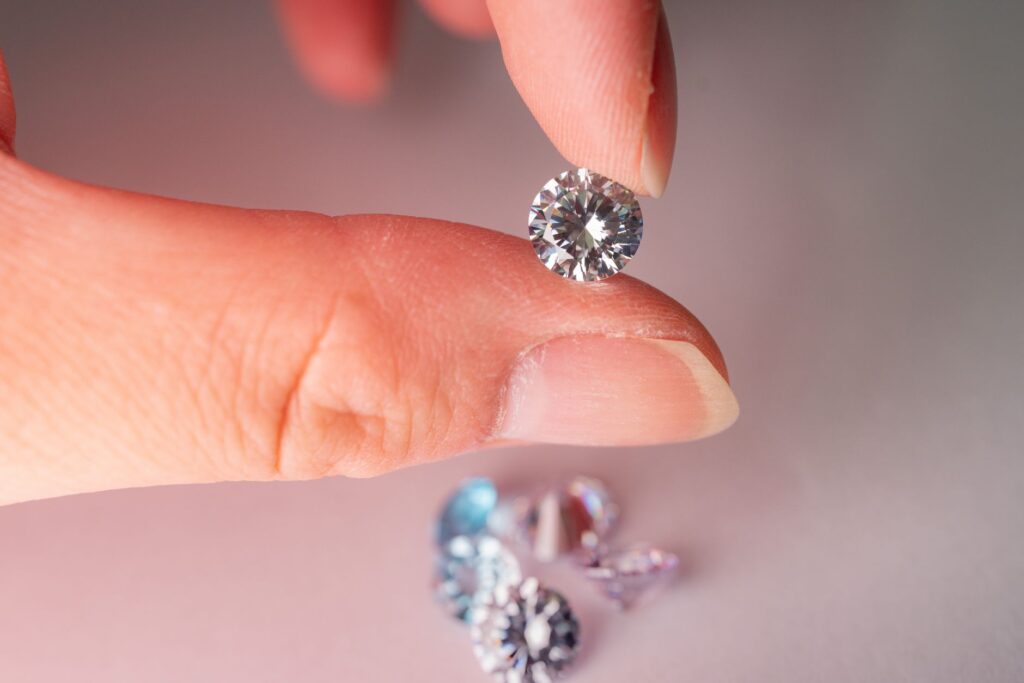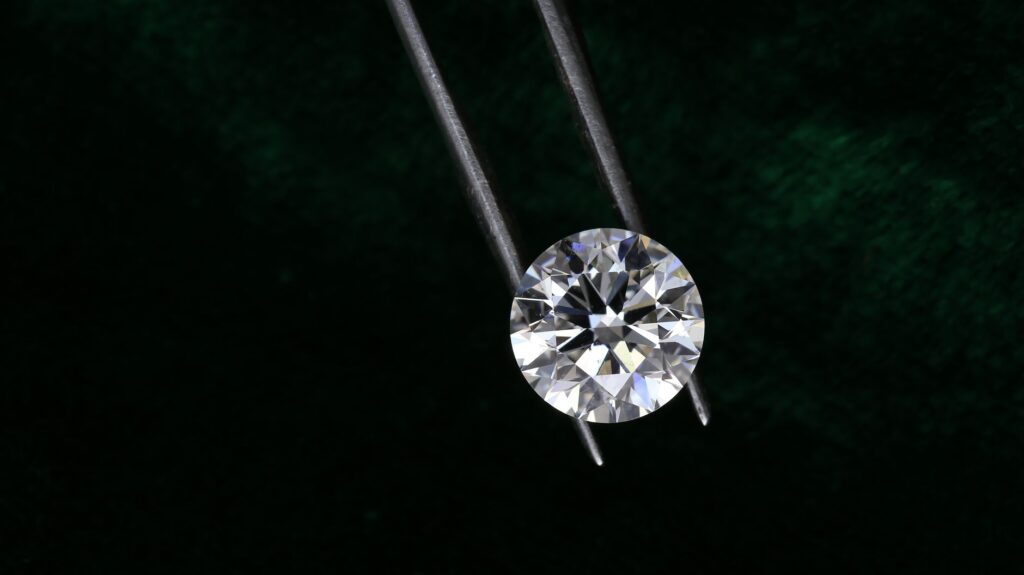
A D color diamond sits at the very top of the diamond color scale. It is graded as colorless, which means it shows no visible body color under standard grading conditions. For buyers, that sounds ideal, but the practical question is more important: can you actually see the difference, and is the extra cost worth it?
In most cases, a D color diamond looks exceptionally white to the eye, especially once it is set in jewelry and viewed in normal lighting. The catch is that color grades become increasingly expensive as you move toward the top of the scale, while the visual difference becomes smaller. That is why understanding what a D color diamond really looks like matters before you decide whether to pay for it.
Quick Answer
A D color diamond is the highest color grade on the GIA diamond color scale. It is considered colorless and is prized for its icy white appearance, especially when compared side by side with lower grades.
For most buyers, the difference between D and slightly lower color grades is subtle in everyday settings. A D color diamond may be worth paying for if you want the highest color grade available, are very sensitive to color, or are comparing stones in white metal settings. If you want the best balance of appearance and value, many buyers are comfortable choosing a near-colorless grade instead.
What Is a D Color Diamond?
Diamond color grading measures how much body color a diamond shows. In the standard grading system used for loose diamonds, the scale runs from D to Z. D is the top grade and means the diamond is colorless.
Colorless does not mean the diamond has no optical behavior at all. Diamonds still reflect and disperse light, which can create brightness and sparkle. Instead, the grade refers to the absence of noticeable yellow, brown, or gray tint when the diamond is examined under controlled conditions.
The key point is that D color is a grading term, not a promise about how the diamond will look in every environment. Lighting, metal choice, shape, and setting can all affect how white a diamond appears once it is worn.
Where D Fits on the Color Scale
The GIA color scale is commonly grouped into three broad categories:
- D to F: colorless
- G to J: near-colorless
- K to Z: noticeable color becomes increasingly visible
D is the first grade in the colorless range. E and F are also colorless, but they are slightly lower on the scale and typically priced lower than D.
What a D Color Diamond Actually Looks Like
In practical terms, a D color diamond usually looks very white. It is the kind of diamond that can appear crisp and clean, especially in a well-cut stone. That said, most observers do not walk around comparing D, E, and F diamonds side by side, so the difference is often hard to spot outside a controlled comparison.
For many people, the visual appeal of D color is less about a dramatic look and more about confidence. Buyers know they are selecting the highest color grade, which can matter in a high-value purchase or a jewelry piece meant to feel as premium as possible.
The appearance of a D color diamond also depends on the cut. A poorly cut diamond can look dull regardless of color grade, while an excellent cut can make even a lower color grade seem brighter and whiter. This is why it is useful to evaluate diamond color alongside cut, clarity, and carat weight rather than in isolation.
Whiteness and Tint
A D color diamond has no discernible tint when viewed under standard grading conditions. In everyday language, that means it should not look yellowish. It can still reflect environmental colors from nearby objects, but that is different from having its own body color.
By contrast, lower grades may show a faint warmth, especially when viewed from the side, compared directly with a colorless stone, or set in certain metals. The degree of visible warmth depends on the grade and the setting.
What Buyers Usually Notice
Most consumers notice three things about a D color diamond:
- It looks very bright and white face-up.
- It pairs well with white metals because it does not introduce visible warmth.
- It tends to look especially premium in side-by-side comparisons with lower grades.
What they usually do not notice is a dramatic difference between D and E or even D and F once the stone is mounted and viewed normally. That is the reason color grading is often more about subtle refinement than obvious visual change at the top end of the scale.
Can Most People See the Difference?
This is the question that matters most for value. In routine viewing conditions, most people cannot easily tell a D color diamond apart from an E or F diamond without direct comparison. Even then, the difference may be subtle and inconsistent depending on the person and the lighting.
In a jewelry store, the difference can sometimes appear clearer because diamonds may be shown side by side under bright lighting. That environment is designed to reveal grading differences. In real life, people rarely examine a ring that closely.
From a consumer perspective, this means the visible benefit of D color is real but limited. You are buying the top grade, not a dramatically different look.
Side-by-Side Versus Everyday Visibility
Side-by-side comparisons can make color differences easier to notice, especially between D and lower near-colorless grades. A trained jeweler may spot a subtle tint faster than an average shopper. But in everyday wear, the diamond is usually seen alone, not compared against another stone of known grade.
That is why a diamond that looks slightly warmer in a grading tray may still appear completely white in a ring. Human vision is influenced by surrounding context, metal color, and lighting. The same diamond can seem different from one setting to another.
Professional Eyes Versus Consumer Eyes
Professionals are trained to detect small color differences that many buyers will never notice. A gemologist can often distinguish D from E or F with much greater ease than a typical consumer. That skill is valuable in grading, but it can also make color differences seem more important than they will be in normal use.
For a shopper, the practical question is not whether a grader can see a difference. It is whether you will see enough difference to justify the price premium.
How a D Color Diamond Looks in Different Metals
Metal color can change how diamond color is perceived. The same diamond may look whiter in one setting and slightly warmer in another, even though the stone itself has not changed. This is especially relevant when comparing a D color diamond to lower color grades.
White Gold and Platinum
D color diamonds pair naturally with white gold and platinum. These metals reinforce the bright, colorless look and do not introduce strong color contrast. As a result, a D color diamond can appear especially crisp in these settings.
That said, near-colorless diamonds also perform well in white metals, particularly if the stone is well cut. The colorless grade is most noticeable when you want the setting and diamond to read as an all-white design with minimal warmth.
Yellow Gold
In yellow gold, the metal’s warmth can reduce the practical need for a top color grade. The setting itself adds yellow tone in the visual field, which can make a D color diamond look no different from a slightly lower grade in many cases.
This is one reason some buyers choose to save money on color when selecting yellow gold. If the metal is already warm, the visual advantage of paying for D color may be smaller.
Rose Gold
Rose gold works similarly to yellow gold in this context. Its pinkish tone can make higher color grades less visually essential. A D color diamond will still look white, but the setting may dominate the overall impression.
For buyers who love rose gold, the decision often comes down more to style and budget than to color grade purity.
How a D Color Diamond Looks in Different Lighting
Lighting has a major effect on how diamond color is perceived. A D color diamond remains colorless under grading conditions, but the eye sees diamonds differently depending on the light source and surroundings.
Daylight
Daylight often shows a diamond’s true face-up character more naturally than store lighting. A D color diamond tends to look very bright and clean in daylight. Because daylight is less artificially concentrated than showroom lights, it can be a useful setting for judging whether a diamond truly looks white to you.
Jewelry Store Lighting
Store lighting is designed to create sparkle. Bright spotlights can make almost any well-cut diamond look lively, and they can also reduce attention on subtle color differences. A D color diamond may look exceptional in this environment, but so may higher near-colorless grades.
This is one reason buyers should be cautious about judging color only under store lights. Those lights can flatter the stone and make differences harder to evaluate accurately.
Warm Indoor Lighting
Warm indoor lighting, such as incandescent or soft yellow household bulbs, can make lower color grades look slightly warmer. D color stones resist that effect better than most other grades, which is one of the reasons they remain attractive to buyers who want a white appearance in varied lighting.
Even so, a D color diamond does not prevent the surrounding environment from influencing what you see. The ring’s metal, nearby skin tone, and furniture or clothing colors can all play a role.
Cool Lighting
Cool lighting, including some LEDs, can make diamonds appear especially crisp and white. D color diamonds tend to benefit from this look. In cooler environments, the distinction between D and near-colorless grades may still be small, but the top color grades often look exceptionally clean.
Price Premium Versus Visual Benefit
D color diamonds usually command a meaningful price premium over E, F, and especially near-colorless grades. The exact difference depends on the other factors in the stone, such as cut quality, carat weight, clarity, shape, and whether the diamond is natural or lab grown.
The important question is not whether D costs more. It does. The real issue is whether the extra money buys a visible improvement that matters to you.
At the top end of the color scale, returns diminish quickly. The jump from a lower color grade to a colorless grade can be noticeable under comparison, but the jump from E or F to D is often subtle in real-world wear. That is why many educated buyers evaluate D color as a luxury preference rather than a necessity.
When the Premium Makes Sense
Paying more for D color may make sense if:
- You want the highest color grade possible.
- You are comparing stones side by side and want the cleanest appearance.
- You are sensitive to warmth and may notice color more than average.
- The diamond will be viewed closely as a centerpiece piece of jewelry.
- You are buying a large stone where small differences may be more noticeable.
When the Premium Is Harder to Justify
The price premium is harder to justify if:
- You are choosing a diamond in a yellow or rose gold setting.
- Your budget would be better spent on cut quality, which has a bigger impact on sparkle.
- You would prefer a larger carat weight over a top color grade.
- You will not compare the diamond against higher color stones.
In many buying situations, cut has a more visible effect than the difference between D and a high near-colorless grade. That does not make D color unimportant. It simply means color should be prioritized alongside the factors that most influence appearance.
Who Should Consider a D Color Diamond?
D color diamonds are a good fit for buyers who want the highest standard in diamond color. This can be especially appealing when the ring is meant to feel highly refined, when the buyer is very detail-oriented, or when the stone will be compared against other top-grade diamonds.
They can also make sense for someone who knows they are highly color-sensitive. Some people naturally notice subtle warmth more than others. For those buyers, the added cost may be worthwhile because it reduces the chance of second-guessing later.
Good Situations for Choosing D
D color may be a strong choice if:
- You want a stone that is as colorless as possible.
- You are selecting a classic white metal engagement ring.
- You want to maximize perceived whiteness in a larger diamond.
- You value top grades for personal preference or symbolic reasons.
Who Can Save Money by Choosing Lower Grades?
Plenty of buyers can save money by selecting a lower color grade without giving up a beautiful-looking diamond. For many engagement rings, a well-cut G, H, or even I color diamond can still look bright and white in normal wear, especially once set in metal.
This is where practical buying strategy matters. If your eye is more likely to notice sparkle, size, and cut quality than subtle color differences, it may be more useful to allocate budget elsewhere.
Situations Where Near-Colorless Is Often Enough
Near-colorless grades can be a smart value choice when:
- The diamond is set in yellow or rose gold.
- The stone is well cut and will have strong brightness.
- You are balancing color with carat size or clarity.
- You want the diamond to look white without paying for the highest grade.
This does not mean near-colorless diamonds are “better” than D color. It means the visual trade-off may be small enough that other priorities matter more.
How D Color Relates to Lab Grown Diamonds
Color is especially relevant in lab grown diamonds because many lab created stones are available in very high color grades. The manufacturing process can produce diamonds with exceptional color, so D color is relatively common in the lab grown category compared with some natural diamond buying scenarios.
That availability can change the value equation. If D color is easy to find in lab grown diamonds, the price gap between D and slightly lower grades may sometimes be smaller than shoppers expect. At the same time, the broader category often offers higher color at lower prices than natural diamonds overall.
Why Lab Grown Diamonds Often Reach Higher Color Grades
Lab grown diamonds are produced under controlled conditions, which allows manufacturers to manage impurity levels and growth environments more precisely. That often results in high color grades, including D, E, and F, with relative frequency.
For buyers, this means top color grades may be more accessible in the lab grown market than in natural diamond shopping. Still, color remains only one part of value. Cut quality, clarity, certification, and overall appearance still matter.
Does Color Behave Differently in Lab Grown Diamonds?
No, color is evaluated the same way in visual terms. A D color lab grown diamond is still a colorless diamond. The way it looks to the eye follows the same principles of lighting, setting, and cut.
What may differ is the buying context. Because top color grades are more common in lab grown diamonds, some buyers can choose D without paying as large a premium as they would in other categories. That makes it important to compare the full value proposition rather than assuming every D color diamond is equally expensive.
Common Buyer Mistakes
Diamond color can be confusing because the grading scale sounds more important than it sometimes appears in daily wear. A few common mistakes show up repeatedly among buyers trying to choose between D and lower grades.
Overpaying for Invisible Upgrades
One of the most common mistakes is paying for a color upgrade that will not be visible in normal use. If a buyer chooses D color mainly because it sounds best on paper, they may end up sacrificing size, cut quality, or budget flexibility for a difference they rarely notice.
Ignoring the Metal Color
Another mistake is forgetting that the setting matters. A D color diamond in yellow gold may not deliver much more visual benefit than a high near-colorless diamond, especially when viewed at arm’s length.
Buying Only by Grading Report
A grading report is important, but it does not tell the whole story. Two diamonds with the same color grade can look different depending on cut, proportions, fluorescence, and setting. A D color grade does not automatically guarantee the most attractive diamond overall.
Assuming All Color Differences Are Obvious
Top color grades are called colorless for a reason. Differences between D, E, and F are often subtle, and in many cases buyers need a direct side-by-side comparison to notice them. Assuming every grade change is dramatic can lead to overspending.
Comparison Table: D Color vs Lower Color Grades
The table below gives a practical snapshot of how D color compares with nearby grades for typical buyers.
| Color Grade | General Appearance | Visibility of Tint | Best Use Case | Value Consideration |
|---|---|---|---|---|
| D | Colorless, very white | None under grading conditions, usually not visible face-up | Buyers wanting the highest color grade | Highest price premium, subtle visual gain over E or F |
| E | Colorless, slightly below D | Very difficult to see without comparison | Buyers wanting top-tier appearance with slightly better value | Often close in appearance to D |
| F | Colorless, still very white | Usually subtle to most eyes | Value-focused buyers in the colorless range | Often a practical compromise |
| G to J | Near-colorless | May show slight warmth, depending on setting and size | Buyers prioritizing value and appearance balance | Can look very white in many rings |
Buying Factors That Matter More Than Color Alone
Color is only one part of a diamond’s appearance. In some cases, shoppers focus so much on color that they overlook characteristics that have a bigger effect on how the diamond looks in real life.
Cut Quality
Cut is the main driver of sparkle and brightness. A well-cut diamond reflects light more efficiently and often appears whiter because it looks livelier. A D color diamond with poor cut can appear less impressive than a lower color diamond with excellent cut.
Carat Weight
Larger diamonds tend to make color differences more noticeable. As size increases, body color can be easier to see in the diamond’s body and around the edges. That means a D color grade can become more meaningful in larger stones than in smaller ones.
Clarity
Clarity affects whether inclusions are visible, but it also influences overall visual cleanliness. A diamond with excellent color but obvious inclusions may not feel as refined as one with slightly lower color and cleaner appearance. This is why it is useful to understand diamond clarity in the same buying process.
Shape
Some shapes hide or show color differently. Round brilliants often mask color better because of their faceting pattern, while step cuts such as emerald cuts can reveal color more readily. That means D color may be more valuable in certain shapes than others.
How Shape Affects the Importance of D Color
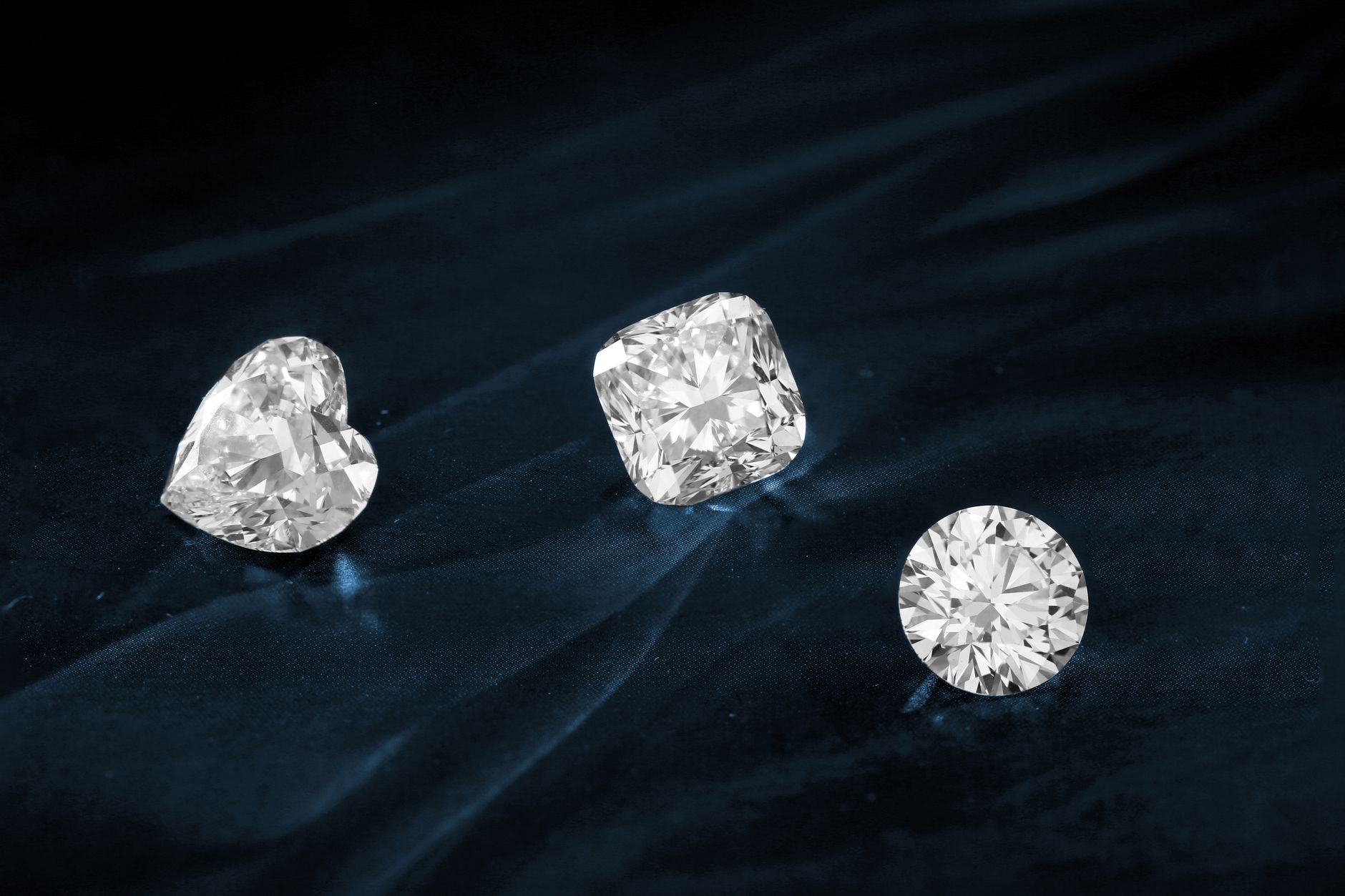
Diamond shape plays a major role in how visible color is. A D color grade is not equally important across every shape, because the way light moves through the diamond changes with the cutting style.
Round Brilliant
Round brilliant diamonds are the most forgiving shape for color. Their strong sparkle and light return can help hide slight warmth, which means a lower grade may still appear very white. D color is still excellent, but the visual advantage over near-colorless grades is often smaller here than in other shapes.
Emerald and Asscher Cuts
Step cuts like emerald and Asscher shapes tend to reveal more of the diamond’s body color because they have larger open facets and less sparkle to mask subtle tint. In these shapes, a D color diamond can be more valuable if the buyer wants a crisp, ice-white look.
Oval, Pear, and Marquise
Elongated shapes can show color more strongly toward the pointed ends or edges. Some buyers prefer higher color grades in these shapes, especially when the diamond is being set in white metal. D color may be a safer choice for those who want the whitest appearance possible.
Is a D Color Diamond Worth It?
The honest answer is: it depends on your priorities. A D color diamond is objectively the highest color grade, and it offers the cleanest, most colorless appearance on paper and in controlled comparisons. But its real-world advantage over E, F, or some near-colorless diamonds is often modest.
If your goal is maximum color purity and you do not mind paying for it, D color is easy to understand and easy to justify emotionally. If your goal is the smartest use of your budget, the extra money may produce more satisfaction elsewhere, such as a better cut, a larger size, or a more balanced overall stone.
In other words, D color is less about necessity and more about preference. That is a useful distinction for any buyer.
Frequently Asked Questions
Is D color the best diamond color?
Yes, D is the highest grade on the standard diamond color scale and is classified as colorless. It is considered the best color grade from a grading standpoint.
Can you see the difference between D and E color?
Sometimes, but usually only in side-by-side comparisons or under controlled lighting. In normal wear, most people do not notice a meaningful difference.
Does D color look better in white gold or platinum?
It usually complements white gold and platinum very well because those metals reinforce the diamond’s colorless look. The difference is often more subtle in these settings than buyers expect, however.
Is D color necessary for an engagement ring?
No, D color is not necessary for a beautiful engagement ring. Many buyers are very happy with near-colorless diamonds that look white to the eye and offer better overall value.
Do lab grown diamonds come in D color?
Yes. Lab grown diamonds commonly achieve D color, and the grade is evaluated the same way as in natural diamonds. The difference is often in availability and pricing, not in how the color is judged.
Will a D color diamond stay white over time?
Yes, the diamond’s inherent color grade does not change over time. Dirt, oils, or residue can make it look duller temporarily, which is why regular cleaning matters more than the grade itself for day-to-day brilliance.
Should I buy D color if I am choosing a larger diamond?
Larger diamonds can make color differences more noticeable, so D may have more visual value in bigger stones. Still, whether it is worth the premium depends on your budget and how sensitive you are to subtle warmth.
What matters more, D color or cut?
For most buyers, cut matters more because it has a greater effect on sparkle and overall beauty. A well-cut lower color diamond often looks more impressive than a poorly cut D color diamond.
Practical Buying Takeaways
If you are trying to decide whether D color is worth it, start with the simplest question: do you want the highest color grade, or do you want the best balance of beauty and value? That answer will often point you in the right direction.
D color is an excellent choice for buyers who want the top of the scale, prefer a crisp white look, or are especially attentive to diamond color. It is less compelling when the setting is warm-toned, the stone is small, or the budget would be better used to improve cut quality or size.
For many shoppers, the smartest approach is to compare D color against E, F, and selected near-colorless diamonds in the same shape, cut, and setting style. That comparison reveals whether the price premium is producing a difference you can actually see.
What is most important is not the letter on the report alone. It is how the diamond looks as a finished piece of jewelry, in the metal and lighting you will actually wear it in. That is where the real value decision begins.