For buyers comparing diamond shapes, finger length can make a noticeable difference in how a ring looks on the hand. Some shapes create a longer, slimmer appearance, while others feel more balanced or wider across the finger. If you are researching the Best Diamond Shapes for Long Fingers, the key is not finding one universally perfect shape, but understanding which proportions complement your hand and your personal style.
Long fingers can wear a wide range of diamond shapes well. That said, certain shapes tend to look especially harmonious because they either add width, preserve balance, or create a clean visual line across the hand. The best choice depends on whether you want to emphasize the length of the finger, soften it, or simply look proportional and elegant.
This guide explains how different diamond shapes interact with long fingers, what visual effects to expect, and what practical buying factors matter most. It also covers how shape affects sparkle, face-up size, durability, and overall ring style, including helpful notes for shoppers considering lab grown diamonds.
Quick Answer: Best Diamond Shapes for Long Fingers
The best diamond shapes for long fingers are typically shapes that create visual balance and do not overemphasize finger length. Many buyers with long fingers prefer shapes such as oval, emerald, pear, cushion, and round brilliant, depending on the effect they want.
In general:
- Oval can soften long fingers and create an elegant, elongated look.
- Emerald offers a refined, structured appearance that works well on longer hands.
- Pear can add a graceful taper and make the hand look balanced.
- Cushion and round shapes often create pleasing proportion without exaggerating length.
- Marquise can look dramatic and elongated, but it may emphasize finger length more than other options.
If you want the simplest answer, many long-fingered buyers start by comparing oval, emerald, and round shapes, then choose based on personal style, ring setting, and budget.
Why Diamond Shape Matters on Long Fingers
Diamond shape influences how a ring visually interacts with the hand. Finger length, finger width, knuckle shape, and ring size all affect the final look, but shape is one of the most noticeable factors. A ring that is proportioned well can feel balanced and polished, while an unbalanced shape can appear too narrow, too long, or too small.
Long fingers usually have more room to wear broader or more elongated designs without looking crowded. That gives shoppers more flexibility than people with shorter fingers. Still, some shapes will appear more flattering than others depending on whether the goal is softness, symmetry, width, or a lean silhouette.
One practical point is that shape changes perceived size. A diamond with a larger face-up area can look bigger than another diamond with the same carat weight. This is especially important when comparing shapes like oval, marquise, radiant, and round. Buyers researching diamond shapes or general diamond buying advice often find that visual spread matters just as much as carat weight.
How Long Fingers Affect Ring Appearance
Long fingers are often described as elegant because they can support more variety in ring designs. A diamond can either reinforce that length or help create a more balanced look across the hand. Neither is right or wrong. The best choice depends on the style the wearer prefers.
For example, a narrow, elongated stone may look sleek on a long finger, but it can also make the hand appear even longer. A wider or more compact shape can add visual balance. Ring width, setting style, and band thickness also matter, because they change how much visual weight the ring carries.
Here is the general effect buyers tend to notice:
- Elongated shapes such as oval, pear, marquise, and emerald often lengthen the look of the finger.
- Balanced or rounder shapes such as round brilliant and cushion can soften the hand’s overall appearance.
- Wide settings and halo designs can make the ring look more substantial on long fingers.
- Thin solitaire settings may look delicate and minimal, which some buyers prefer.
Because long fingers already have vertical visual length, many shoppers use diamond shape to control whether the final look feels elongated, elegant, bold, or balanced.
Best Diamond Shapes for Long Fingers Compared
The shapes below are not ranked universally. Instead, they are compared based on how they tend to look on long fingers and what trade-offs buyers should understand.
| Shape | Visual Effect on Long Fingers | Strengths | Potential Drawbacks |
|---|---|---|---|
| Round Brilliant | Balanced and classic | Maximum sparkle, timeless appeal, versatile | Less visually elongated than fancy shapes |
| Oval | Elegant and slightly elongating | Large face-up look, graceful style, flattering on many hands | Can emphasize length if a softer look is preferred |
| Emerald | Refined and structured | Elegant lines, sophisticated appearance, strong finger coverage | Less sparkle than brilliant cuts, inclusions may be easier to see |
| Pear | Graceful and tapering | Distinctive look, flattering outline, good finger coverage | Can appear directional, needs careful orientation |
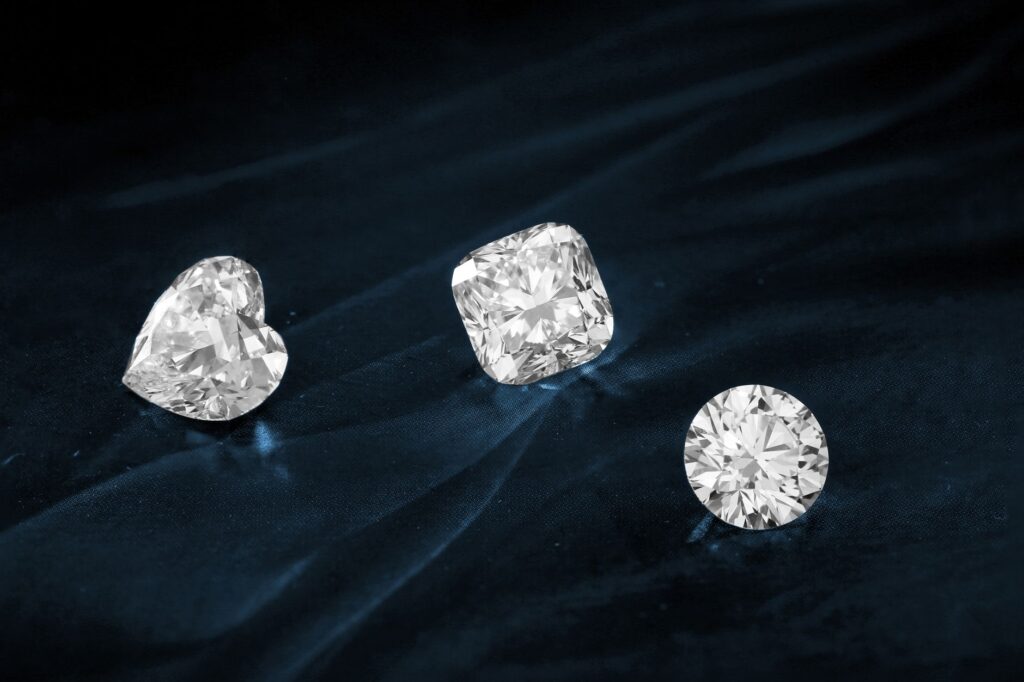
| Cushion | Soft and balanced | Romantic feel, good sparkle, versatile proportions | Face-up size can vary by cut style |
| Marquise | Highly elongated | Maximizes visual length and spread, dramatic look | Can overemphasize finger length, pointed ends need protection |
| Princess | Square and modern | Sharp, contemporary look, strong brilliance | May appear less balanced on very long fingers if a wider look is desired |
| Radiant | Brilliant and structured | Strong sparkle, lively appearance, good coverage | Shape can feel more angular than some buyers expect |
Round Brilliant: A Balanced Choice for Long Fingers
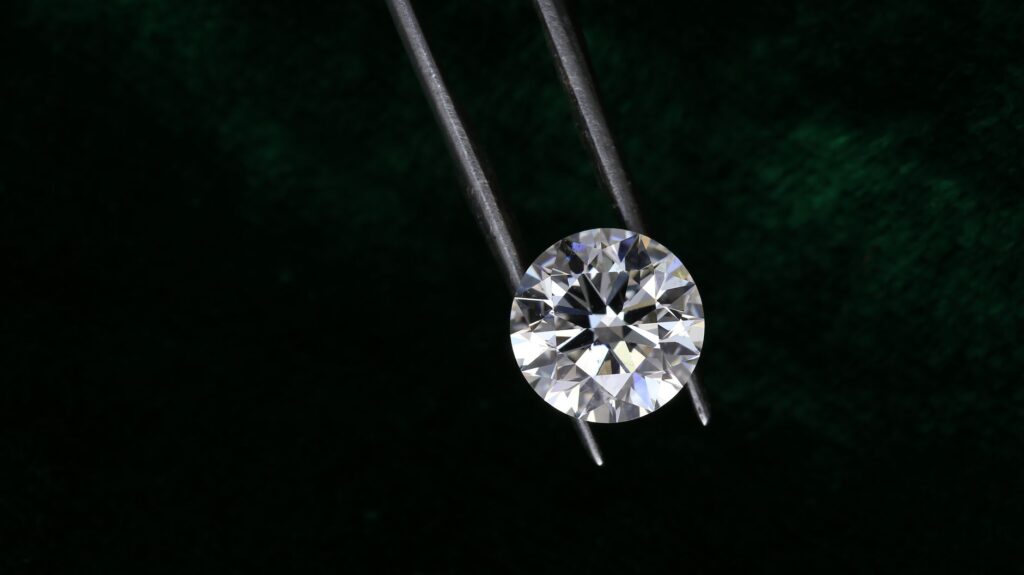
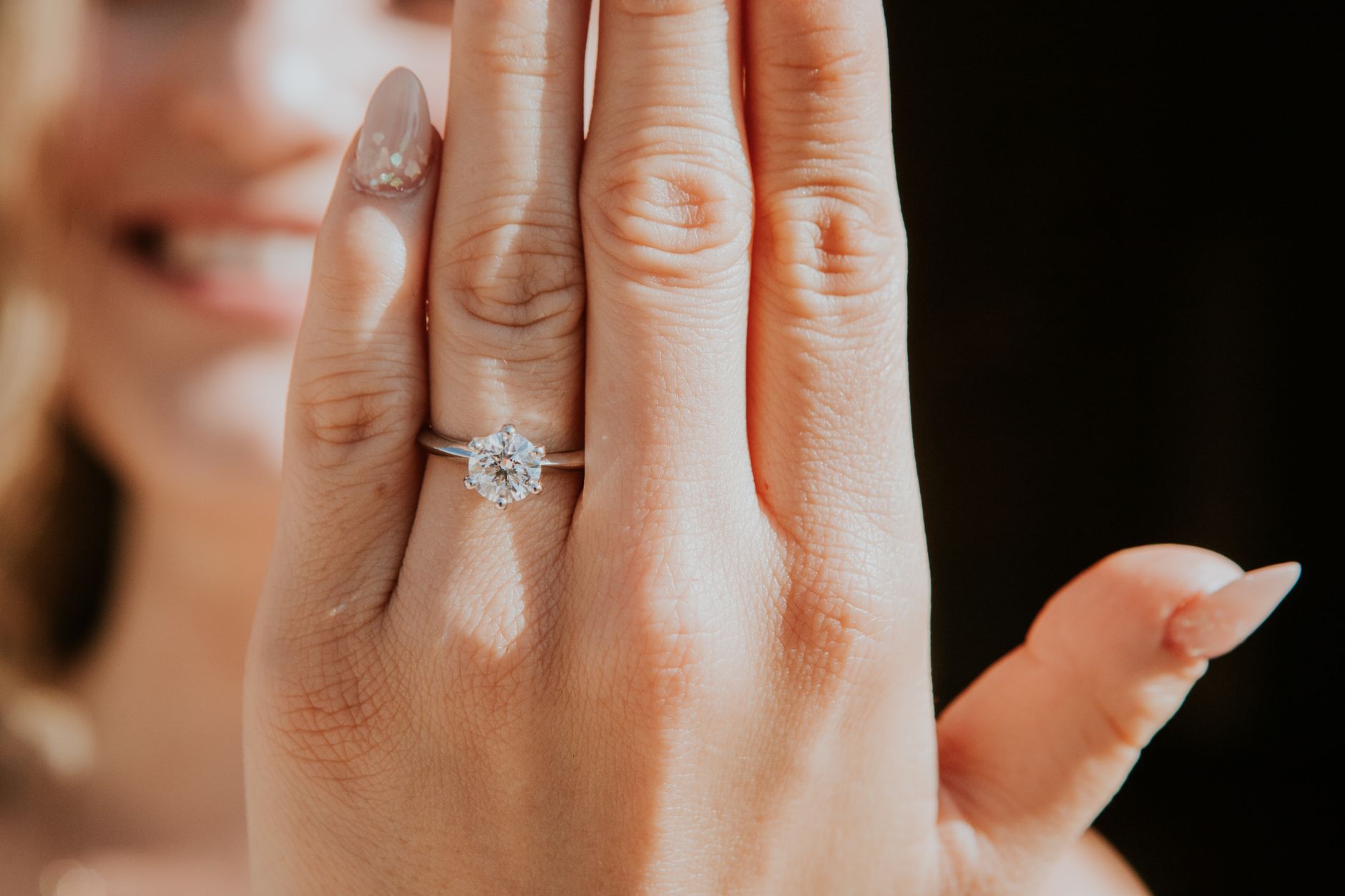
The round brilliant is the most classic diamond shape and remains popular for engagement rings because of its sparkle and versatility. On long fingers, it usually looks balanced rather than strongly elongating. That makes it a safe choice for buyers who want something timeless and easy to wear with many setting styles.
Round diamonds are cut for maximum brilliance, which means they return a lot of light to the eye. This is why they tend to look lively even in smaller sizes. For long fingers, a round shape can soften the hand’s overall look while still appearing refined and proportionate.
Round diamonds are also forgiving in practical terms. Their shape hides minor symmetry issues better than some fancy cuts, and they remain a strong option across a wide range of budgets and ring designs. If you are comparing shapes in relation to diamond cut and sparkle, round is usually the benchmark.
Best for buyers who want:
- A timeless, traditional appearance
- Maximum sparkle
- A shape that looks balanced on long fingers
- Simple pairing with solitaire, halo, or three-stone settings
Oval: Elegant and Slightly Elongating
Oval diamonds are one of the most popular choices for engagement rings because they combine brilliance with an elongated outline. On long fingers, an oval can look graceful and polished, especially when the goal is a refined, elongated silhouette rather than a wide or square look.
The reason oval shapes are so appealing is that they often provide a large face-up size for their carat weight. In other words, they can look bigger than some round diamonds of the same weight. The shape also creates a soft visual flow, which can be flattering on hands with long fingers and slender knuckles.
One thing to watch with oval diamonds is the bow tie effect. This is a darker area across the center of the stone that can appear in some elongated shapes because of how the facets reflect light. A mild bow tie can be normal, but a strong one can reduce visual brightness. The cut quality matters a great deal here, which is why buyers should examine the stone in person or through high-quality videos.
Best for buyers who want:
- An elegant, elongated look
- Strong finger coverage
- A shape that often looks larger than its carat weight suggests
- A romantic style that works well in both modern and classic settings
Emerald: Structured and Sophisticated
Emerald cuts have a rectangular shape with cropped corners and long, clean facets. Unlike brilliant cuts, which are designed for sparkle, emerald cuts emphasize clarity, symmetry, and elegant flashes of light. On long fingers, that linear design often looks especially polished.
Because emerald cuts are broader and more structured than many other shapes, they can add visual balance to a long hand. They do not make the finger look as narrow as a marquise or as visibly extended as a slim oval. Instead, they create a composed and architectural look.
There is an important trade-off. Emerald cuts tend to reveal inclusions and color more easily than brilliant cuts because of their open facet pattern. Buyers usually need to pay more attention to diamond clarity grades and diamond color grades when choosing an emerald cut. This is especially true in lab grown diamonds, where buyers often opt for higher color and clarity because larger sizes may still fit comfortably within budget.
Best for buyers who want:
- A refined, understated look
- Strong lines that suit longer fingers
- Less sparkle and more elegance
- A ring with a more formal or vintage-inspired feel
Pear: Graceful and Distinctive
Pear-shaped diamonds combine round and marquise influences, creating a teardrop outline that is both elegant and distinctive. On long fingers, pears often look balanced because the tapering point creates visual movement without making the hand appear overly wide.
Pear shapes can be worn with the point facing up or down, although most engagement rings are set with the point toward the fingertip. This orientation adds direction and can make the finger appear more elongated. However, because the shape already has a tapered outline, it usually does not feel as visually heavy as a marquise.
Like oval diamonds, pears can show a bow tie in the center depending on proportions and cut. Buyers should also look carefully at symmetry, because the left and right sides should appear even. A well-cut pear can look sophisticated and flattering, but a poorly proportioned one may look uneven.
Best for buyers who want:
- A distinctive shape with graceful lines
- Good finger coverage without a bulky look
- An elongated silhouette that still feels soft
- A shape that stands out from round and princess cuts
Cushion: Soft, Classic, and Versatile
Cushion cuts have rounded corners and a softer outline than square or rectangular shapes. Depending on the style, they may look more square or more rectangular, but they generally create a gentle, romantic appearance. On long fingers, cushion shapes can provide welcome balance without appearing too strict.
One reason cushion cuts remain popular is that they come in several styles, from modern brilliant cushions to more antique-looking cushion cuts. The exact cut style influences sparkle, shape spread, and how large the stone looks face-up. Buyers comparing cushion and round shapes often find that cushion offers a slightly softer look with a unique identity.
For long fingers, cushion shapes work well because they are neither too narrow nor too rigid. They can soften the overall hand while still providing a classic engagement-ring appearance. If you want a shape that feels versatile and romantic, cushion deserves serious consideration.
Best for buyers who want:
- A softer outline than princess or emerald
- Good sparkle with a classic look
- A shape that works well on longer fingers
- Flexibility between vintage and modern styling
Marquise: Dramatic and Highly Elongated
Marquise diamonds are among the most elongated shapes available. They have pointed ends and a narrow center, which creates a dramatic, stretched appearance. On long fingers, a marquise can look elegant, but it can also exaggerate length more than some buyers want.
The reason marquise shapes create such a strong effect is simple geometry. Their long, narrow outline draws the eye vertically. This can make the finger look especially long and slim, which some people love and others find less flattering. If you want your ring to be a focal point with a striking silhouette, marquise is worth exploring.
There are also practical considerations. The pointed ends are more exposed and can be more vulnerable to chipping if the setting does not protect them well. Many marquise diamonds require thoughtful prong placement or a protective setting style. Because shape balance matters a lot in marquise diamonds, shoppers should examine length-to-width ratio closely and compare stones side by side.
Best for buyers who want:
- A dramatic, eye-catching shape
- Maximum visual length and spread
- A vintage or fashion-forward style
- Strong presence on the hand
Princess: Modern and Clean-Looking
Princess cuts have a square shape with pointed corners, giving them a modern, geometric appearance. On long fingers, they can create a neat, balanced look, especially for buyers who want something structured rather than elongated. The square outline contrasts nicely with a long hand and can help avoid overemphasizing finger length.
Princess diamonds are known for their brilliance, meaning they can sparkle strongly when well cut. Their shape also tends to feel contemporary and crisp. However, because they are square rather than elongated, they may not produce as much visual finger coverage as oval or marquise shapes of similar carat weight.
Another practical note is durability. The sharp corners can be vulnerable, so the setting should protect them well. Buyers who want a modern style and strong sparkle often appreciate princess cuts, but those specifically seeking more width across a long finger may prefer round, cushion, or oval.
Radiant: Bright and Versatile
Radiant cuts combine the shape outline of a rectangle or square with the sparkle pattern of a brilliant cut. This makes them a strong option for buyers who want the structure of an emerald or princess shape but with more fire and brilliance. On long fingers, radiant cuts often look lively without appearing too stretched out.
Because radiants are faceted for brightness, they hide inclusions relatively well compared with emerald cuts. That can make them practical for buyers who want a durable-looking, vibrant stone. Their face-up shape can also provide excellent finger coverage, which is helpful on longer hands.
Radiant diamonds are a good middle ground for shoppers who want modern geometry and plenty of sparkle. They are especially useful if you like the outline of a rectangular diamond but prefer a more dynamic light performance than step-cut shapes usually provide.
How Shape Changes Sparkle, Fire, and Brilliance
Diamond shoppers often use the word sparkle to describe several different light effects, but it helps to separate them. Brilliance is the white light returned to the eye. Fire is the colored light that flashes from the stone. Scintillation is the pattern of light and dark movement as the diamond moves.
These effects depend heavily on shape and cutting style. Round brilliant diamonds usually produce the strongest overall brilliance because they are cut with light performance as the priority. Fancy shapes such as oval, pear, and marquise can also sparkle beautifully, but their light patterns are more shape-dependent and may show areas like bow ties or larger facet reflections.
Step-cut shapes such as emerald emphasize clarity and long flashes of light rather than intense sparkle. That does not make them less attractive. It simply means they create a different visual experience, one that many buyers describe as calm, elegant, or mirror-like.
| Shape Type | Light Performance Style | What Buyers Usually Notice |
|---|---|---|
| Round Brilliant | High brilliance and strong scintillation | Active sparkle from many angles |
| Oval, Pear, Marquise | Mixed brilliance with directional light flow | Graceful sparkle, possible bow tie effect |
| Emerald | Step-cut flashes | Clean, elegant reflection rather than intense sparkle |
| Princess, Radiant, Cushion | Brilliant-style sparkle | Lively light return and strong visual energy |
Face-Up Size and Why It Matters
Face-up size refers to how large a diamond looks when viewed from above. This is different from carat weight, which measures mass rather than visual spread. Two diamonds with the same carat weight can look noticeably different in size depending on shape and proportions.
For long fingers, face-up size matters because it affects how the ring balances the hand. A stone that looks too small may disappear visually, while a stone with broader spread can feel more proportional. Elongated shapes often show more surface area for their weight, which is one reason oval, pear, and marquise diamonds are popular.
That said, bigger face-up size is not always better. A very elongated stone can make the hand look even longer. Buyers should think about whether they want maximum coverage, more width, or simply a balanced presence on the finger.
Length-to-Width Ratio: A Small Detail With a Big Impact
Length-to-width ratio describes how long a diamond is compared with how wide it is. It is especially important for oval, pear, emerald, and marquise diamonds. Small changes in this ratio can significantly affect how the stone looks on the hand.
For long fingers, ratio choice often comes down to style preference. A slightly more compact oval may feel balanced and soft. A longer oval may look elegant and slender. The same is true for emerald and pear shapes. There is no single correct ratio, but the proportions should look intentional rather than accidental.
When comparing elongated shapes, try to view them side by side. Numbers alone do not tell the full story, because facet pattern, outline, and setting style also influence how the diamond appears.
Durability Considerations for Different Shapes
Shape affects durability because different outlines create different points of vulnerability. Round diamonds are the most forgiving, largely because they have no sharp corners. Shapes with pointed ends or corners may need more protective settings to prevent damage over time.
For everyday wear, the main durability concern is not that fancy shapes are fragile in general, but that some require more thoughtful mounting. For example, princess cuts have corners that should be protected, while pear and marquise shapes need secure tip coverage. Emerald cuts are more stable in outline, but their large table and step facets can make quality issues easier to notice.
If the ring will be worn daily, the setting is just as important as the shape itself. A well-designed setting can protect the stone and improve comfort. Buyers often find it helpful to review both the diamond and the setting together when choosing engagement rings and evaluating diamond certifications.
Clarity and Color Visibility by Shape
Not all diamond shapes hide imperfections equally well. Brilliant-cut shapes, such as round, cushion, radiant, and often oval, tend to hide small inclusions better because their facet patterns are busy and reflective. Step-cut shapes like emerald and asscher are more transparent in appearance, so inclusions may be easier to see.
Color visibility also changes with shape. Shapes with larger open facets can show body color more readily, especially in larger stones. That means emerald cuts often benefit from higher color grades than some brilliant shapes. In contrast, round diamonds can sometimes look very white even at slightly lower color grades because of their light performance.
This matters especially for lab grown diamonds, where many buyers aim for excellent appearance and value. Because lab grown diamonds often provide more size or higher grading within a given budget, shoppers may choose to prioritize cut and face-up appeal, while still paying attention to clarity and color depending on shape. If you are comparing certified stones, this is where a good understanding of diamond color grades and diamond clarity grades becomes useful.
Best Shapes for Long Fingers, by Buying Priority
Different buyers care about different things. Some want the most sparkle, while others want the most balanced look or the most distinctive style. Long fingers give you flexibility, but your priorities still shape the best choice.
| Buying Priority | Shapes Worth Comparing First | Why They Fit |
|---|---|---|
| Maximum sparkle | Round, radiant, princess | These cuts are built for strong brilliance and lively light return. |
| Balanced appearance | Round, cushion, princess | These shapes add structure without overly stretching the finger. |
| Elegant elongation | Oval, pear, emerald | These shapes create clean vertical lines with a refined look. |
| Largest face-up look | Oval, marquise, pear, radiant | These often show more surface area for their carat weight. |
| Most distinctive style | Pear, marquise, emerald | These shapes are more visually specific and less common than round. |
| Everyday practicality | Round, oval, cushion | These are typically easier to wear and pair with many settings. |
Advantages and Disadvantages of the Best Shapes for Long Fingers
Round Brilliant
Advantages: Timeless, highly sparkly, balanced on long fingers, widely available in many budgets.
Disadvantages: Less distinctive than fancy shapes, does not create extra elongation.
Oval
Advantages: Elegant, flattering, often looks larger than its carat weight, works well in many ring styles.
Disadvantages: Can emphasize finger length, bow tie effect needs attention.
Emerald
Advantages: Sophisticated, structured, visually clean, strong presence on long fingers.
Disadvantages: Less sparkle than brilliant cuts, inclusions and color are more visible.
Pear
Advantages: Graceful, unique, elongating without being as severe as marquise, good finger coverage.
Disadvantages: Symmetry matters greatly, point protection is important.
Cushion
Advantages: Soft and romantic, versatile, good sparkle, comfortable on longer fingers.
Disadvantages: Face-up appearance varies by cut style, may not feel as bold as elongated shapes.
Marquise
Advantages: Dramatic, highly elongated, strong visual spread, distinctive style.
Disadvantages: Can overemphasize finger length, pointed ends need secure settings.
Princess
Advantages: Sharp, modern, bright, and visually neat on a longer hand.
Disadvantages: Corners need protection, may feel less expansive than elongated shapes.
Radiant
Advantages: Sparkly, versatile, good coverage, and less revealing of inclusions than step cuts.
Disadvantages: Can look more angular than expected, proportions vary a lot by style.
Who Each Shape Is Best For
Different buyers want different visual effects, even if they have similarly long fingers. The right shape depends on whether the goal is to soften, balance, elongate, or modernize the hand’s appearance.
- Round brilliant: Best for buyers who want timeless style and balanced proportions.
- Oval: Best for buyers who like graceful elongation and a soft, elegant look.
- Emerald: Best for buyers who prefer sophistication and clean geometry.
- Pear: Best for buyers who want a distinctive silhouette with graceful movement.
- Cushion: Best for buyers who want a softer, romantic alternative to square or round shapes.
- Marquise: Best for buyers who want drama and a bold elongated look.
- Princess or radiant: Best for buyers who want modern structure with strong sparkle.
Some buyers with long fingers specifically want the ring to appear slightly wider or more balanced. In those cases, round, cushion, and some princess cuts are often preferred. Others want the finger to look even longer and slimmer, which is where oval, pear, and marquise shapes come into play.
How Lab Grown Diamonds Fit Into Shape Selection
Shape preferences are the same whether a diamond is natural or lab grown, but lab grown diamonds can change the buying equation. Because lab grown diamonds often cost less than comparable natural diamonds, buyers may be able to choose a larger carat size, a higher color grade, or a better clarity grade without increasing the budget as much.
That can be especially helpful when choosing shapes for long fingers. If you want a specific proportion, such as a longer oval or a broader emerald, lab grown diamonds may make it easier to shop for those proportions in a size that feels visually appropriate. The savings can also let buyers prioritize settings that protect more delicate shapes, such as pears, marquises, and princess cuts.
Still, the same quality questions apply. A lab grown diamond should still be evaluated for cut quality, shape symmetry, light performance, and certification. The shape may be beautiful, but poor proportions can reduce visual appeal regardless of origin.
Important Buying Considerations Before Choosing a Shape
Choosing the best diamond shape for long fingers is easier when you look beyond the outline alone. The setting, finger width, ring size, and personal style all matter. A shape that looks great in a photo may feel different once it is worn on the hand.
Before deciding, consider the following practical points:
- Daily wear: Shapes with pointed ends may need more protection.
- Finger balance: Decide whether you want to emphasize or soften finger length.
- Setting style: A halo, bezel, or three-stone design can change the visual effect.
- Diamond quality: Cut quality affects sparkle and overall beauty more than shape alone.
- Budget: Some shapes look larger for their carat weight and may stretch the budget further.
It is also useful to review how the diamond will look in the real-world proportions of the wearer’s hand. A 1.50-carat oval on a size 4.5 finger will look different from the same stone on a size 7. This is why proportions matter as much as carat weight when selecting a ring.
Common Mistakes Buyers Make
One common mistake is assuming that the most popular shape is automatically the most flattering. Popularity matters, but hand shape and personal taste matter more. A round diamond may be ideal for one buyer and too understated for another.
Another mistake is focusing only on carat weight. Carat does not equal visual size. A well-cut oval or marquise can look larger than a round diamond of the same weight, while a poorly proportioned stone of any shape may look smaller than expected.
Buyers also sometimes overlook bow tie, symmetry, and setting protection. These details matter a lot in elongated shapes and can affect both appearance and wearability. For step-cut stones, many buyers underestimate how visible clarity and color can be. That is why reading a general diamond buying guide before narrowing shape can be helpful.
Finally, some shoppers choose a shape based on social media photos without considering how it looks in motion or under different lighting. Diamonds change appearance depending on lighting conditions, so it is important to review videos, magnified images, and certification details whenever possible.
Frequently Asked Questions
Do long fingers look best with elongated diamond shapes?
Not always. Elongated shapes like oval, pear, and marquise can look elegant on long fingers, but round and cushion shapes can create a more balanced appearance. The best choice depends on whether you want to emphasize length or soften it.
What diamond shape makes long fingers look shorter?
Round, cushion, and some princess cuts can make long fingers appear a bit shorter or more balanced because they add visual width without strong vertical elongation. Settings with a wider profile can also help.
Is an oval diamond too long for long fingers?
It can be, depending on the ratio and the wearer’s preference. Some people love the elegant elongated effect, while others prefer a slightly rounder or broader shape. The length-to-width ratio matters a great deal here.
Which shape looks biggest on long fingers?
Shapes with a larger face-up area, such as oval, pear, marquise, and some radiant cuts, often look large for their carat weight. However, “biggest” should be considered alongside shape balance, since the largest-looking stone is not always the most flattering.
Are emerald cuts good for long fingers?
Yes. Emerald cuts can look especially refined on long fingers because their rectangular outline complements the hand’s natural shape. They are a strong option for buyers who want an elegant, structured style rather than a highly sparkly one.
Is a marquise diamond flattering on long fingers?
It can be, but it is the most shape-dependent of the common choices. A marquise may look dramatic and beautiful, but it can also make long fingers appear even longer. Buyers who want a bold, vintage-inspired look often like it, while those seeking balance may prefer other shapes.
Does the setting matter as much as the shape?
Yes, sometimes even more. The band width, prong style, halo size, and overall setting proportions can change how the diamond looks on the hand. A thoughtful setting can make almost any shape more flattering on long fingers.
Conclusion
The best diamond shapes for long fingers are the ones that create the visual effect you want, not simply the ones that are most popular. Round and cushion shapes often provide balance, oval and pear shapes add graceful elongation, emerald cuts create a refined and structured look, and marquise offers dramatic length. Each option has strengths, but each also comes with trade-offs in sparkle, durability, and visual emphasis.
For many buyers, the best approach is to compare a few shapes side by side and think about how they look on the hand in real proportions. Consider sparkle, face-up size, setting protection, and how much you want the ring to lengthen or balance the finger. If you are also considering lab grown diamonds, the added budget flexibility can make it easier to choose the right shape, size, and quality combination without compromising on the overall look.
When shopping, focus on the complete picture: shape, cut quality, setting, and how the diamond sits on the finger. That approach will lead to a ring that looks intentional, comfortable, and well proportioned for long fingers.