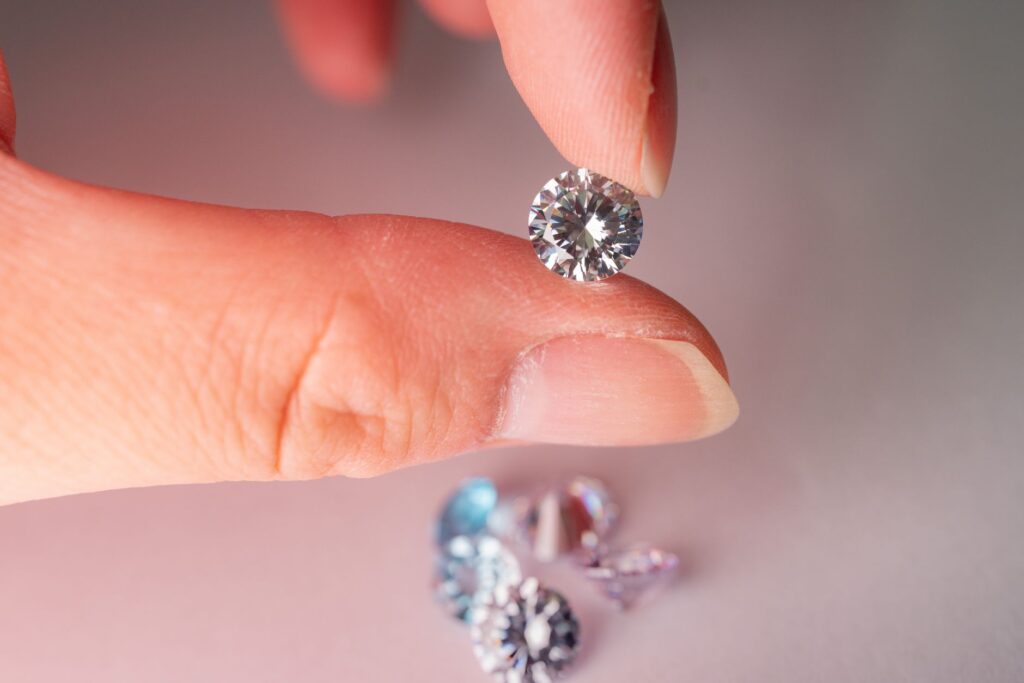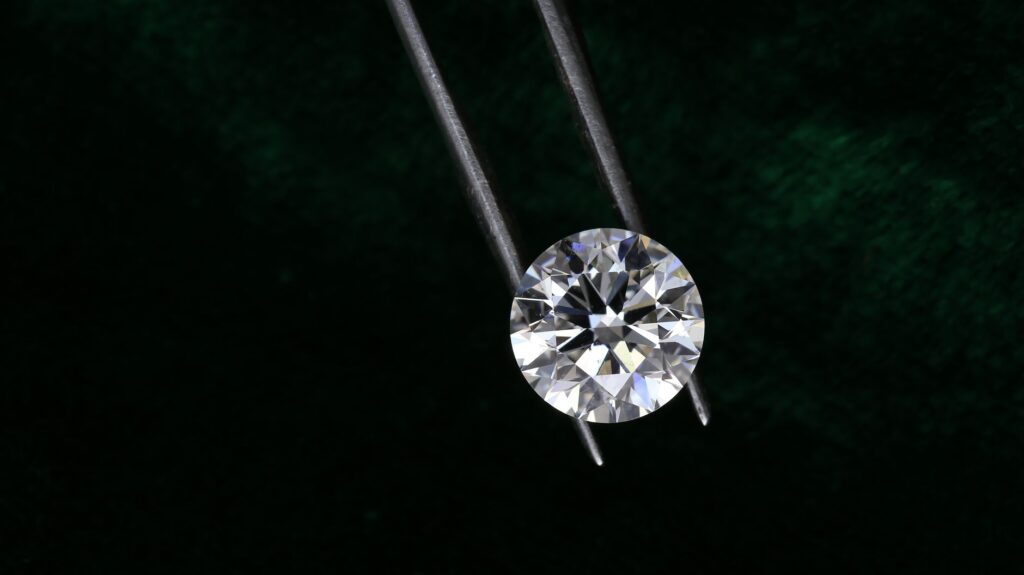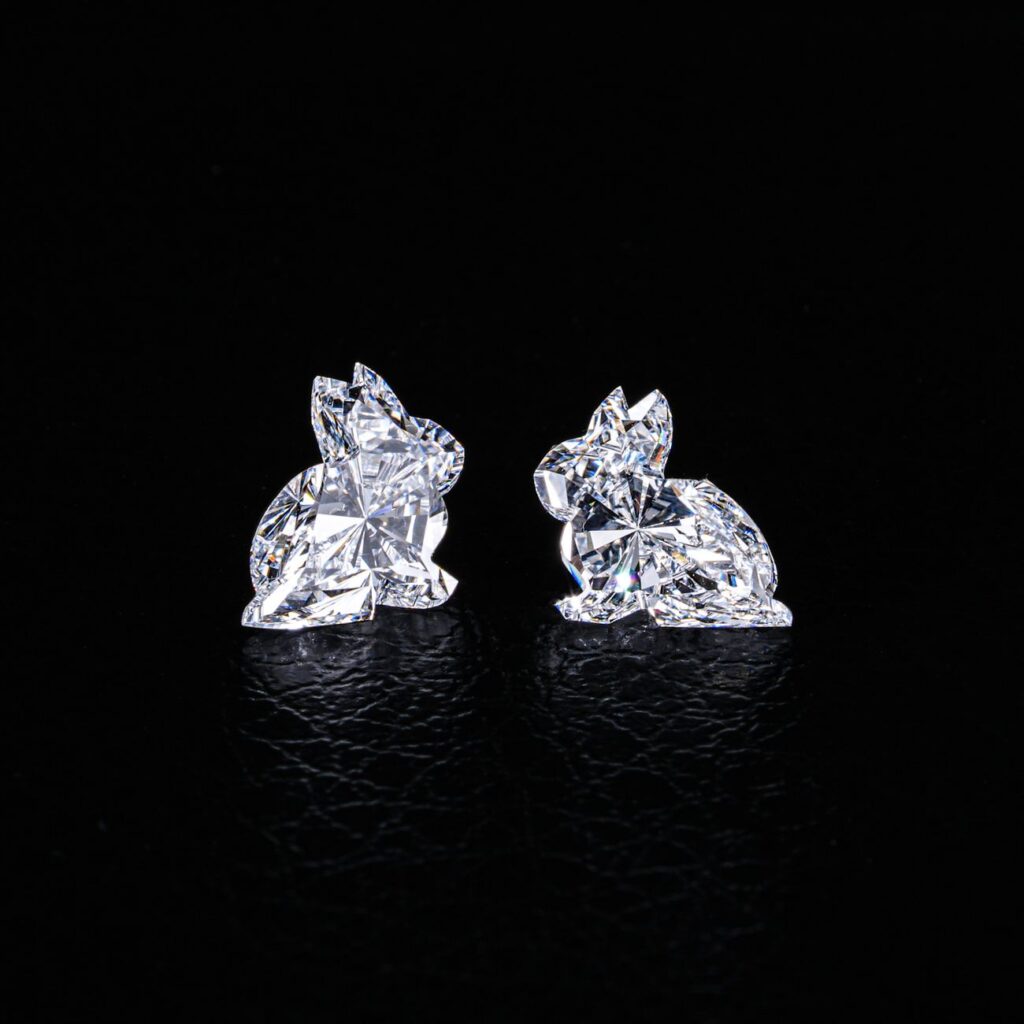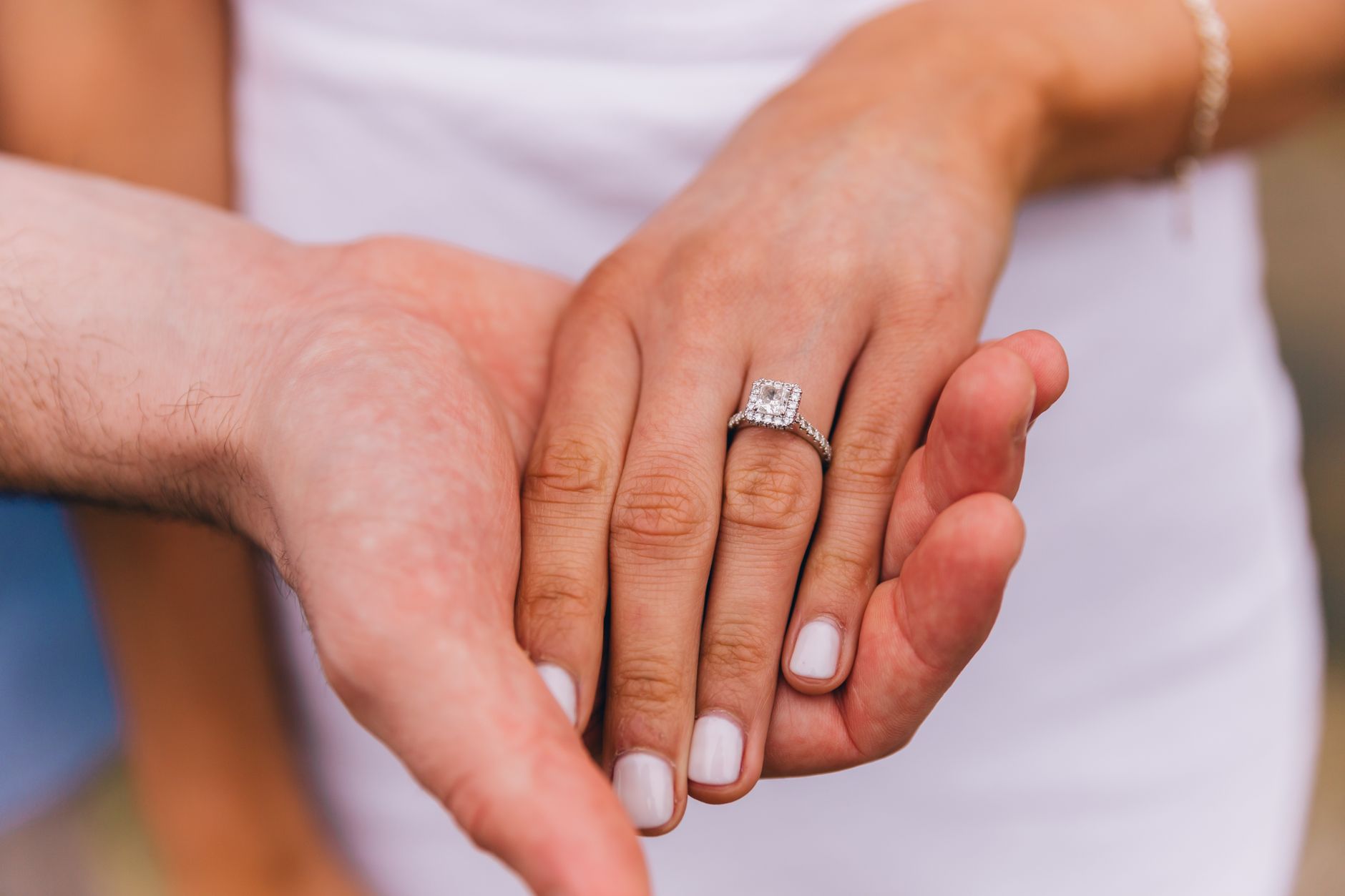
Choosing the right diamond shape can make a noticeable difference in how a ring looks on the hand, especially if you have shorter fingers. The shape of the diamond affects more than style. It influences how long, wide, delicate, or balanced the ring appears, and those visual details matter when you want a diamond that flatters your hand.
For many buyers, the best diamond shapes for short fingers are the ones that create a lengthening effect without overwhelming the hand. That usually means shapes with an elongated outline, such as oval, pear, marquise, emerald, and some rectangular cushion or radiant cuts. Round diamonds can also work well, but they tend to create a softer, more compact look rather than the strongest lengthening effect.
There is no single shape that is automatically correct for everyone. The best choice depends on finger width, ring size, personal style, and how much emphasis you want on sparkle, symmetry, or a larger-looking face-up appearance. Understanding how shape interacts with finger proportion can help you choose a diamond that looks balanced and comfortable rather than visually crowded.
Quick Answer: Best Diamond Shapes for Short Fingers
The best diamond shapes for short fingers are usually elongated shapes because they draw the eye up and down the finger. This creates the impression of more length and often makes the hand look slimmer and more elegant.
The most commonly recommended shapes are:
- Oval – lengthens the finger and offers strong sparkle.
- Pear – creates a slimming effect and can look especially elegant when worn with the point facing outward or inward, depending on style preference.
- Marquise – maximizes lengthening and can make the diamond appear larger for its carat weight.
- Emerald – offers a refined, elongated look with a more understated type of brilliance.
- Radiant – combines an elongated outline with lively sparkle.
- Elongated cushion – softer corners with a longer profile, useful for buyers who want something less angular.
Round, princess, and square cushion cuts are not bad choices for short fingers, but they generally create a more compact visual effect. If your main goal is finger-lengthening, elongated shapes usually work better.
Why Diamond Shape Matters on Short Fingers
Diamond shape changes the way the eye moves across the hand. Longer shapes guide the gaze along the finger, which can make short fingers appear more balanced. Wider or squarer shapes spread horizontally, which can emphasize width instead of length.
This is not a strict rule, and many people with short fingers wear round or square diamonds beautifully. Still, when buyers want a more elongated look, shape is one of the most effective design choices. In many cases, it matters more than carat weight alone.
The overall look also depends on the ring setting. A thin band, a delicate shank, or a setting with vertical lines can reinforce the lengthening effect. A heavy, wide band can do the opposite, even if the diamond itself is elongated.
How Short Fingers Affect Ring Appearance
Short fingers can make a diamond appear larger relative to the hand, which is often a benefit. At the same time, certain shapes may look more crowded if they are too wide or if the setting is bulky. Buyers sometimes focus only on carat size, but the shape and proportions often make a bigger visual difference.
The main goal is usually balance. A diamond that is too wide may make the finger look shorter, while a diamond that is too narrow may not have enough visual presence. The sweet spot is a shape and proportion that complements the hand without overpowering it.
If you are shopping for an engagement ring, it can help to view the diamond from the top, side, and hand-shot perspective. A diamond that looks beautiful in isolation may look quite different once it is worn.
Best Diamond Shapes for Short Fingers: Side-by-Side Comparison
Different shapes create different visual effects. The table below gives a practical comparison of the most relevant options for short fingers.
| Shape | Finger-Lengthening Effect | Sparkle Style | Face-Up Appearance | Best For |
|---|---|---|---|---|
| Oval | Strong | Bright, lively brilliance | Elegant and elongated | Buyers who want sparkle and a slimming effect |
| Pear | Strong | Bright with a distinctive shape | Slender with visual movement | People who want something graceful and less common |
| Marquise | Very strong | Depends on cut quality, often bright in the center | Long and dramatic | Buyers who want maximum length effect |
| Emerald | Moderate to strong | Subtle, mirror-like flashes | Clean and refined | Those who prefer elegance over intense sparkle |
| Radiant | Moderate to strong | High sparkle, lively fire | Brilliant and slightly more structured | Buyers who want sparkle in an elongated shape |
| Elongated Cushion | Moderate | Soft, romantic brilliance | Gentle and rounded | People who want softness with some length |
| Round | Low to moderate | Excellent sparkle | Balanced and compact | Buyers who prioritize classic style and brightness |
| Princess | Low | Sharp, modern brilliance | Square and compact | Those who prefer angular, contemporary styling |
Appearance and Visual Performance
Oval Diamonds
Oval diamonds are one of the most popular choices for short fingers because they tend to elongate the hand while still offering a lot of sparkle. Their rounded outline feels softer than a marquise, which makes them easy to wear in both classic and modern settings.
The elongated shape makes the diamond appear larger than a round diamond of the same carat weight in many cases, especially when the proportions are well balanced. A well-cut oval can look elegant without feeling overly dramatic.
One important consideration is the bow tie effect, which is a dark area across the center that can appear in some oval, pear, and marquise diamonds. It does not appear in every stone, and its visibility depends on cut quality. Buyers should inspect the diamond in real photos or videos rather than relying on shape alone.
Pear Diamonds
Pear-shaped diamonds combine a rounded end with a pointed tip, giving them a graceful silhouette. On short fingers, they can create a lengthening effect that feels elegant and slightly more distinctive than an oval.
Because the shape is directional, placement matters. Some people prefer the point facing toward the fingertip, while others like it facing the hand. Either choice can work, and the best orientation often depends on the ring design and the wearer’s taste.
Pear diamonds can also be very flattering in halo or solitaire settings. The tapered shape helps the eye move vertically, which is useful when you want a slimmer-looking finger.
Marquise Diamonds
Marquise diamonds offer one of the strongest finger-lengthening effects of any shape. Their pointed ends and narrow body create a very long profile that can make the center stone look larger relative to its carat weight.
This shape is a good option for buyers who want a noticeable impact without increasing carat weight too much. It is also a shape that can feel vintage or dramatic, depending on the setting.
The trade-off is that marquise diamonds can show more variation in cut quality, and the points are more exposed to wear. For daily use, the setting should protect the tips well. Buyers should also watch for symmetry issues and uneven length proportions.
Emerald Diamonds
Emerald cuts are step-cut diamonds, which means they have long, parallel facets instead of many small triangular ones. This produces a more mirror-like, reflective sparkle rather than the intense glitter of brilliant cuts.
On short fingers, emerald cuts can look refined and elongating because the rectangular shape naturally stretches the visual line of the hand. They are often chosen by buyers who like a polished, sophisticated appearance.
Because emerald cuts are less fiery than brilliant cuts, clarity matters more. Their open facets make inclusions and color easier to see, so many buyers choose higher clarity and color grades than they might for a round brilliant.
Radiant Diamonds
Radiant cuts are a strong compromise between shape and sparkle. They have a rectangular outline like an emerald but use brilliant-style faceting, which creates more sparkle and fire.
For short fingers, an elongated radiant can be a smart choice if you want a slimming effect without sacrificing brightness. The faceting pattern also tends to hide minor clarity characteristics better than an emerald cut.
Radiants can vary more in style than some other shapes, so proportion and outline should be checked carefully. Some look sleek and elongated, while others appear closer to square.
Elongated Cushion Diamonds
Elongated cushion cuts soften the corners of a rectangular shape, creating a romantic look with a bit of length. They can be appealing if you want something less angular than an emerald or radiant cut.
These diamonds often have a softer sparkle pattern, which may appeal to buyers who prefer a gentle, vintage-inspired appearance. On short fingers, they offer a nice balance between flattering proportion and familiar shape.
Because cushion cuts can vary widely, two stones with the same label may look very different. It helps to compare actual measurements, not just the shape name.
Round Diamonds
Round diamonds are the most classic and most researched shape for brilliance. They do not create the strongest lengthening effect, but they remain an excellent option for buyers who want maximum sparkle and timeless appeal.
On short fingers, a round diamond can work especially well when set on a thin band or in a setting that keeps the stone visually open. It looks balanced and universal, even if it does not elongate the hand as much as oval or pear shapes.
For many buyers, round is still the safest choice because it is widely available, easy to compare, and usually offers the most predictable sparkle performance.
Princess Diamonds
Princess cuts are square and contemporary. They tend to emphasize width more than length, so they are usually not the top recommendation for short fingers if the main goal is a lengthening effect.
That said, princess cuts can still work beautifully on short fingers if the buyer likes a modern look. A delicate setting and a well-proportioned stone can keep the ring from feeling too broad.
Princess cuts can also be practical from a value standpoint because they often cost less per carat than round diamonds. In the lab grown diamond market, this can make them appealing for buyers focused on size and budget rather than shape illusion.
Why Some Shapes Make Fingers Look Longer
The reason elongated shapes flatter short fingers is simple: they create a vertical line. The eye naturally follows that line from top to bottom, which makes the finger seem longer than it is.
Round and square shapes do not provide the same directional cue. They draw attention to the center of the hand rather than along the finger. That does not mean they are unattractive. It simply means they create a different visual effect.
Proportion also matters. A diamond with a strong length-to-width ratio often looks more slender and elegant, while a diamond with a shorter outline can look fuller and more compact. Buyers who understand this can choose a shape that works with the hand rather than against it.
Advantages of the Best Diamond Shapes for Short Fingers
The main advantage of elongated diamond shapes is that they can improve the visual balance of the hand. They often make short fingers appear longer and slimmer, which many buyers find flattering.
Another advantage is perceived size. Some elongated shapes cover more surface area across the top of the finger, so they can appear larger than a round diamond of the same carat weight. This can be especially useful for shoppers comparing diamond pricing across different shapes.
Elongated shapes also offer stylistic flexibility. They can look modern, vintage, elegant, or minimal depending on the setting. That makes them useful for engagement rings and other fine jewelry styles.
For buyers considering lab grown diamonds, elongated shapes can be especially practical. Because lab grown diamonds often cost less than natural diamonds at the same size and quality, buyers may be able to choose a larger elongated stone with stronger visual impact within the same budget.
Disadvantages and Trade-Offs
The biggest trade-off with elongated shapes is that they do not always suit every style preference. Some buyers simply prefer the balanced symmetry of a round diamond or the sharp geometry of a princess cut.
Another issue is durability. Shapes with pointed ends, such as marquise and pear, may be more exposed to chipping if the setting does not protect the tips. This does not make them fragile overall, but it does mean the setting design matters.
Cut quality can also be less predictable in fancy shapes than in rounds. With ovals, pears, and marquise cuts, buyers should pay attention to symmetry, brightness, and the bow tie effect. A shape may look beautiful in theory but disappointing in practice if the stone is poorly cut.
Finally, some elongated shapes can emphasize finger shape more than buyers expect. A very long marquise, for example, may look dramatic on one hand and oversized on another. It is worth trying on different proportions before making a decision.
How the Best Shapes Compare in Real-Life Wear
For everyday use, the best shape is often the one that balances appearance with practicality. A ring should look flattering, but it should also feel comfortable, durable, and easy to wear.
Oval and radiant diamonds are often the easiest choices for buyers who want a flattering shape with strong sparkle. Pear and marquise diamonds offer a more distinctive look but may require more attention to setting protection. Emerald cuts are ideal for buyers who like understated elegance and do not mind a quieter type of sparkle.
Round diamonds remain the most versatile. They may not lengthen the finger as much, but they work well in nearly any style and are easy to match with wedding bands and other jewelry.
Important Buying Considerations
Length-to-Width Ratio
For elongated shapes, the length-to-width ratio describes how long the diamond is compared with how wide it is. A higher ratio usually means a more elongated look, while a lower ratio creates a fuller, rounder appearance.
There is no perfect ratio for every buyer. Many ovals look balanced in the 1.30 to 1.50 range, while pears may be attractive around 1.45 to 1.60. Marquise diamonds are naturally longer, and emerald or radiant cuts can vary depending on the style you want.
If you are shopping online, review the measurements carefully. Two diamonds with the same carat weight can look very different if their proportions are different.
Setting Style
The setting can enhance or reduce the finger-lengthening effect. A north-south orientation, where the long axis of the diamond runs vertically along the finger, usually creates the strongest lengthening look.
A delicate band can make the center stone appear more prominent. A thick band can shorten the visual line of the finger, especially if the stone itself is wide.
Halo settings can add presence, but they can also make a ring look wider. If you want to keep the lengthening effect, ask whether the halo is slim and elongated or round and broad.
Cut Quality
Cut quality affects brilliance, symmetry, and the way light moves through the diamond. Even the best shape will look underwhelming if the cut is weak.
For brilliant-style shapes such as oval, pear, radiant, and round diamonds, good cut quality helps reduce dull areas and improve sparkle. For step-cut shapes like emerald, the quality of the facet arrangement affects how clean and elegant the reflections appear.
If you want to understand these details more deeply, it is worth reading about diamond cut grades before comparing stones.
Color and Clarity
Some shapes show color and inclusions more easily than others. Step cuts, including emeralds, are more transparent and may reveal small imperfections more clearly. Brilliant cuts, such as round, oval, and radiant, often hide minor inclusions better because of their busy faceting pattern.
Short fingers do not require different color or clarity standards, but the shape you choose can influence how important those grades are. If you are comparing a lab grown diamond, this can affect value quite a bit because you may be able to prioritize a better cut or larger size over a higher clarity grade.
For a deeper understanding, many buyers also review diamond clarity grades and diamond color grades before deciding.
Certification
When buying any diamond, certification matters because it gives an independent assessment of the stone’s quality characteristics. This is especially useful for fancy shapes, where proportions and visual appearance can vary more widely.
For lab grown diamonds, certification is equally important. It helps confirm the diamond’s identity and provides details about the 4Cs and growth type. If you want a detailed overview, reviewing diamond certifications can help you compare reports more confidently.
How Lab Grown Diamonds Fit Into Shape Selection
Lab grown diamonds are often relevant in shape selection because they can offer more size and flexibility for the budget. That matters when you want an elongated shape with good face-up presence without moving into a much higher price range.
For example, a buyer comparing a natural oval and a lab grown oval may be able to choose a larger or higher-quality lab grown stone at a similar budget level. That can be useful if the goal is to maximize the visual effect on a short finger.
Still, the same shape rules apply. A lab grown diamond with a poor cut will not automatically look better just because it is larger or more affordable. Buyers still need to evaluate proportion, symmetry, sparkle, and the overall setting design.
Lab grown diamonds also have practical limitations to consider, including resale value and market perception. Those issues are separate from shape, but they matter in a purchase decision. Buyers comparing options should think about both appearance and long-term ownership priorities.
Common Mistakes Buyers Make
- Choosing carat weight before shape. A slightly smaller elongated shape may look better on the hand than a larger round stone.
- Ignoring proportions. Two ovals or pears can look very different depending on length-to-width ratio and cut.
- Overlooking the setting. A wide band or bulky halo can reduce the flattering effect of a long diamond shape.
- Not checking real photos or videos. Fancy shapes often vary more than buyers expect, especially online.
- Focusing only on trend. A shape may be popular now but still need to suit the wearer’s hand and style.
- Assuming pointed shapes are too fragile. They can be durable when well-set, but the setting must protect the tips.
Style Trends and Long-Term Appeal
Shape trends change, but some patterns remain consistent. Oval diamonds have stayed popular for years because they combine modern appeal with strong visual balance. Pear and marquise cuts also appeal to buyers who want something a little less expected.
Round diamonds remain the safest long-term style choice because they are classic and widely accepted. Emerald cuts have also maintained lasting appeal due to their elegant, architectural look.
If you are choosing a shape with long-term wear in mind, consider whether you want something timeless, distinctive, or fashion-forward. A ring should suit the wearer now, but it should also feel comfortable years from now.
Which Shape Is Best for Different Buyers?
If You Want the Most Lengthening Effect
Marquise is usually the strongest choice. Pear and oval are close behind and may feel easier to wear for some buyers.
If You Want Strong Sparkle
Oval and radiant diamonds are excellent choices. Round diamonds are still the benchmark for overall brilliance, even if they do not elongate the finger as much.
If You Want an Elegant, Minimal Look
Emerald cuts offer a refined and understated appearance. They are especially good for buyers who prefer structure over intense sparkle.
If You Want a Softer, More Romantic Style
Elongated cushion cuts and ovals can give a gentle, flattering appearance without looking too angular.
If You Want the Most Classic Choice
Round diamonds remain the most universally recognized option. They are easy to style, easy to compare, and durable in many settings.
Frequently Asked Questions
Do short fingers always need an elongated diamond shape?
No. Elongated shapes are often flattering, but they are not required. Many people with short fingers wear round, princess, or cushion cuts beautifully. The best choice depends on the look you want and the overall ring design.
Will a larger diamond always make short fingers look better?
Not always. Size matters, but shape and proportion often matter more. A well-cut oval of moderate size can look more flattering than a larger square stone if your goal is to lengthen the finger.
Are marquise diamonds too dramatic for everyday wear?
Not necessarily. Marquise diamonds can be practical if the setting protects the points well. They do have a more distinctive look than many other shapes, so they may feel bolder than oval or round options.
What ring setting works best for short fingers?
Settings that keep the center stone visually narrow and vertical usually work well. Solitaire, cathedral, and some slim halo settings can enhance the lengthening effect. Wider bands may reduce it.
Do lab grown diamonds look different in certain shapes?
The shape itself does not change because a diamond is lab grown. What changes is the available budget, which may let you choose a larger or higher-quality stone. The same shape, cut, and proportion principles still apply.
Should I avoid round diamonds if I have short fingers?
No. Round diamonds are still an excellent choice for many buyers. They create a more balanced and compact appearance, which some people prefer over a stronger lengthening effect.
Which shape shows the least sparkle on short fingers?
Shape alone does not determine sparkle, but emerald cuts usually show a different type of light performance than brilliant cuts. They produce broader flashes rather than intense glitter, which some buyers interpret as less sparkle even though the effect is intentional.
Conclusion
The best diamond shapes for short fingers are usually the ones that create a vertical line and give the hand a longer, more balanced appearance. Oval, pear, marquise, emerald, radiant, and elongated cushion cuts are often the strongest options when finger-flattering proportion is the goal.
That said, the right shape is not only about visual lengthening. It is also about sparkle preference, durability, setting style, budget, and how the ring will feel in everyday wear. Round diamonds remain a timeless choice, while step cuts and elongated fancy shapes offer different levels of elegance and presence.
If you are comparing options, focus on how the shape, cut, and setting work together. A well-proportioned diamond that suits the hand will usually look better than a larger stone that does not fit the wearer’s proportions. For many buyers, that balance is the real key to choosing a diamond that feels both flattering and practical.