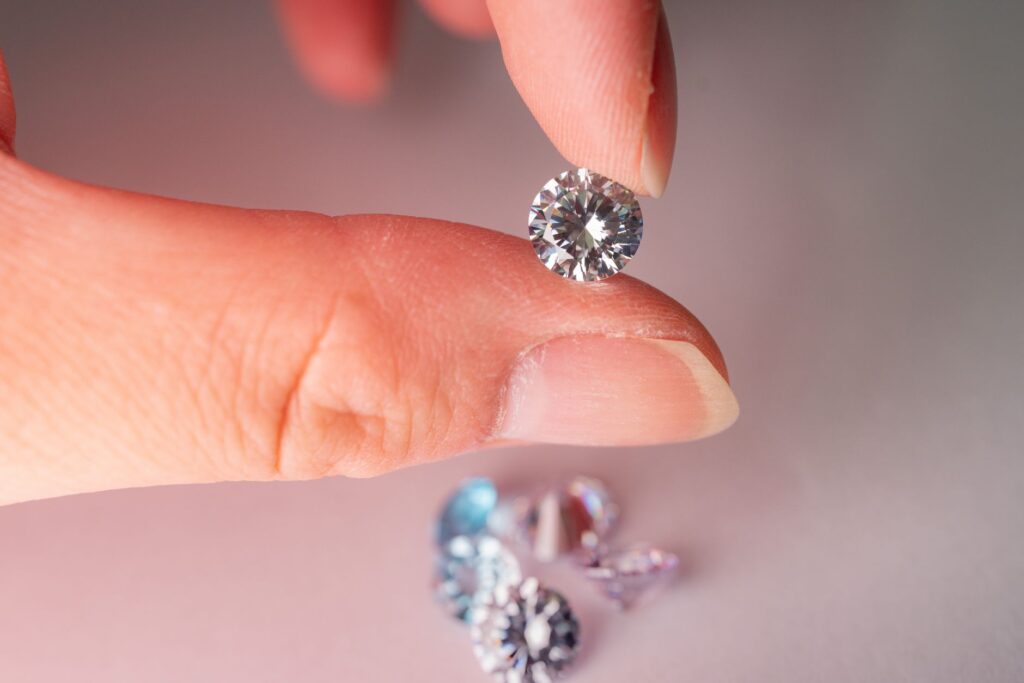
If you are shopping for an engagement ring or comparing diamond shapes, you may be wondering, are round diamonds going out of style? It is a fair question, especially because the round brilliant has dominated the market for decades and has long been the most recognizable diamond shape. Trends in ring design do shift, and social media can make certain shapes feel suddenly more popular than others. But when buyers are making a real purchase, style trends are only part of the story.
The short answer is that round diamonds are not going out of style in any meaningful sense. They remain the most classic and widely chosen shape for engagement rings, and their appeal is based on more than tradition. Round diamonds offer strong sparkle, balanced proportions, broad availability, and an easy fit with many ring settings. At the same time, some buyers are choosing oval, pear, emerald, radiant, or cushion shapes because they want a more distinctive look or a larger face-up appearance for the budget. Understanding why round diamonds remain popular, and when another shape may be a better fit, can help you make a smarter buying decision.
Quick Answer
Round diamonds are not going out of style. They remain the most classic diamond shape, and they continue to appeal to buyers who want maximum sparkle, versatility, and a timeless look.
What has changed is that more shoppers are exploring fancy shapes like oval, elongated cushion, pear, emerald, and radiant. These alternatives can look larger, more modern, or more distinctive depending on the design. That does not mean the round brilliant has lost relevance. It means buyers now have more shape options and are thinking more carefully about personal style, budget, and ring appearance.
In practice, round diamonds are still a strong choice for buyers who value durability, balanced performance, and long-term style. If you are comparing shapes, it helps to look at sparkle, face-up size, setting compatibility, and how the shape fits the wearer’s hand and lifestyle. For more context on how shape affects buying decisions, related topics like diamond cut, diamond color, and diamond clarity are worth understanding too.
Why People Ask Whether Round Diamonds Are Losing Popularity
Questions about round diamonds going out of style usually come from one of three places. First, buyers notice that social media and celebrity rings often feature oval or emerald cut stones. Second, they may see more people asking for unique, custom-looking engagement rings. Third, they may hear that lab grown diamonds allow shoppers to get larger shapes for less money, which can make fancy shapes feel more accessible.
These observations are real, but they do not mean round diamonds are becoming outdated. Instead, the market has broadened. More buyers are comfortable choosing shapes that match their personal style, and that naturally reduces the idea that one shape must dominate all others.
It is also important to separate trendiness from long-term wearability. A shape may feel popular right now because it photographs well, but that does not automatically make it the best choice for daily jewelry. Round diamonds continue to perform well in everyday use because they are durable, versatile, and visually balanced.
What Makes Round Diamonds So Enduring?
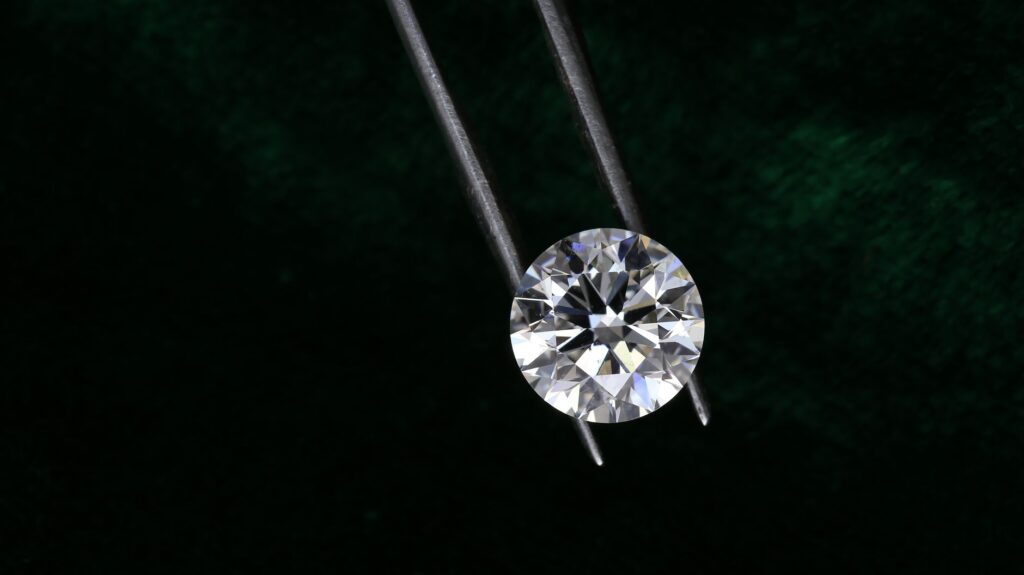
The round brilliant cut is designed to maximize sparkle. Its shape and facet arrangement were developed specifically to return light efficiently, which is why round diamonds often show strong brightness, fire, and scintillation. In plain English, that means they tend to look lively and sparkly under different lighting conditions.
There is also a practical reason for their lasting popularity. Round diamonds are easy to pair with almost any setting style, from solitaire to halo to three-stone designs. They work well in both modern and traditional rings, which gives them broad appeal across age groups and style preferences.
Another factor is buying confidence. Because round diamonds are the most common shape, there is more market data, more inventory, and more consistency in pricing and performance. Buyers often find it easier to compare options when shopping for round stones. That makes the decision feel less speculative than with some less common shapes.
How Round Diamonds Compare to Fancy Shapes
To understand whether round diamonds are going out of style, it helps to compare them with the shapes buyers most often consider instead. Fancy shapes include oval, pear, marquise, cushion, emerald, radiant, princess, and others. Each has its own strengths, and the choice usually comes down to aesthetics and practical priorities rather than one shape being objectively better.
| Shape | Main Strengths | Potential Trade-Offs |
|---|---|---|
| Round brilliant | Maximum sparkle, timeless look, easy to match with settings | Often highest price per carat, less face-up size than elongated shapes |
| Oval | Elongated look, often appears larger, elegant and modern | Can show a bow tie effect, proportions vary more |
| Pear | Distinctive shape, elongated finger effect, graceful style | Tip can be vulnerable, symmetry is important |
| Emerald | Elegant, vintage-inspired, large open table | Shows clarity and color more easily, less sparkle than brilliant cuts |
| Cushion | Soft, romantic look, vintage appeal, strong fire in many styles | Shape varies significantly by cut style |
| Princess | Sharp, modern look, good sparkle, square shape | Corners can be more vulnerable, less common than round in bridal fashion |
| Radiant | Combines sparkle with a rectangular or square outline | Can vary widely in appearance and depth |
This comparison shows why round diamonds remain a safe, flexible choice. They are not the only attractive option, but they are often the most predictable in terms of visual performance. For buyers who want a shape that looks good in many settings and tends to hold broad appeal over time, round diamonds remain highly relevant.
Key Characteristics of Round Diamonds
Cut and facet pattern
Round diamonds are the only shape designed specifically to optimize light return in a symmetrical way across the stone. The classic round brilliant has 57 or 58 facets, depending on whether the culet is present. Those facets are arranged to reflect light back to the eye, which is why round diamonds often appear especially bright.
Cut quality matters more for round diamonds than shape alone. Two round diamonds can have the same carat weight and still look very different if one is cut well and the other is too deep, too shallow, or poorly proportioned. For buyers, this means the cut grade should be one of the first things to evaluate when comparing options.
Symmetry and balance
Round diamonds are naturally symmetrical, which contributes to their classic appearance. The symmetry gives them a balanced, centered look that feels familiar and refined. This also makes them easy to set in virtually any ring design.
Because the shape is so balanced, round diamonds tend to work across fashion cycles. Even when ring trends change, the round brilliant does not usually feel tied to a single era in the way some highly stylized designs do.
Market availability
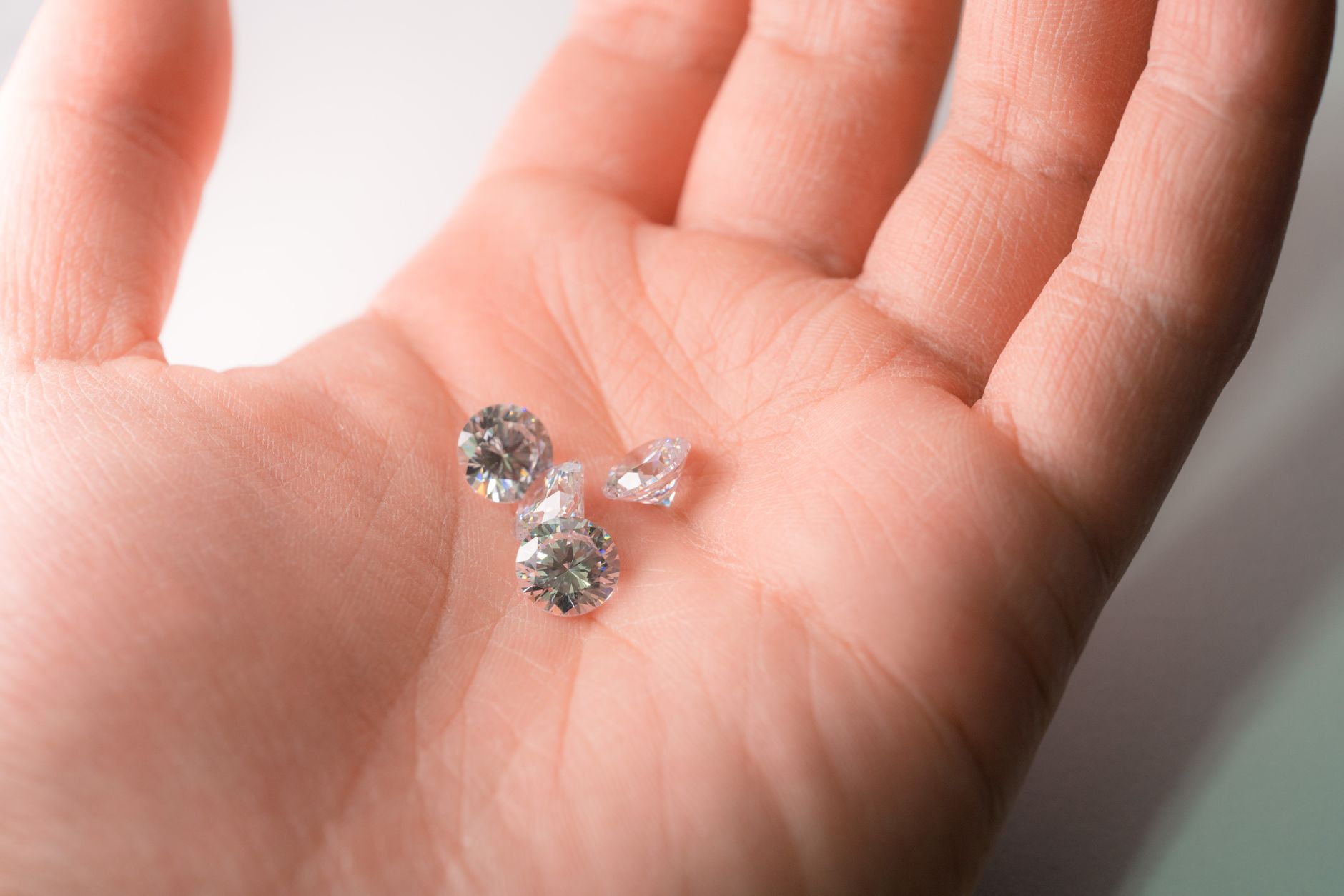
Round diamonds are widely available in both natural and lab grown diamonds. Because they are so common, buyers can compare many stones side by side across price points, colors, clarity grades, and carat weights. This is especially useful for first-time buyers who want to understand how the 4Cs interact.
In the lab grown market, round diamonds are especially easy to find in larger sizes and higher color or clarity grades. That does not make them inherently better than fancy shapes, but it does mean buyers often have more options when shopping for a round stone within a fixed budget.
Appearance and Visual Performance
Sparkle
Round diamonds are known for strong sparkle because their facet pattern is built to return light efficiently. Sparkle is the visual effect you notice when the diamond catches and reflects light as it moves. The round brilliant usually performs well in this area because its shape supports both brightness and contrast.
This is one reason round diamonds have remained a staple in engagement rings. They tend to look lively in everyday conditions, not only under bright showroom lighting. For buyers who prioritize sparkle above all else, round remains a very reliable option.
Brilliance and fire
Brilliance refers to how much white light a diamond returns. Fire refers to the colored flashes you see when light is split into spectral colors. Round diamonds often do well in both categories because of their facet design.
In practical terms, that means round diamonds often have a bright center and noticeable flashes when the stone moves. Some fancy shapes may show more dramatic flashes in certain styles, but round diamonds are usually the most balanced performers overall.
Scintillation
Scintillation is the pattern of sparkle and contrast you notice as the diamond moves. Round diamonds tend to have excellent scintillation because their facets create a lively, even pattern of bright and dark areas. This helps the stone appear dynamic rather than flat.
Scintillation is one of the reasons round diamonds often look good from many angles. In a ring, that matters because the diamond is constantly viewed in motion, not just from one static perspective.
Face-up size
Round diamonds do not usually maximize face-up size in the same way elongated shapes can. Face-up size is the area the diamond appears to cover when viewed from above. Because round stones are compact and symmetrical, they can appear slightly smaller than an oval or marquise of the same carat weight.
This does not mean round diamonds look small. It simply means buyers looking for the largest visual spread per carat may sometimes prefer an elongated fancy shape. If size appearance is a priority, it is useful to compare dimensions rather than relying on carat weight alone. Articles on diamond carat can help explain this more clearly.
Finger appearance
Round diamonds tend to create a balanced, classic look on the hand. They do not elongate the finger the way oval, pear, or marquise shapes often can. Instead, they sit visually centered and even, which many buyers find elegant and easy to wear.
For some shoppers, that balanced appearance is exactly the appeal. For others, especially those who want a longer or slimmer finger effect, a fancy shape may feel more flattering. This is a style preference rather than a quality issue.
Advantages of Round Diamonds
Timeless appeal
Round diamonds have remained popular for so long that they are best described as classic rather than trendy. Their longevity gives them a stable style reputation. Even when other shapes gain attention, round diamonds continue to look appropriate in engagement rings, anniversary rings, and everyday jewelry.
For buyers who do not want their ring to feel tied to one moment in fashion, this is a significant advantage. A classic look is not the same as a boring one. It simply means the design has broad, lasting acceptance.
Strong sparkle performance
Round diamonds are often the best choice for buyers who want the most sparkle per look. Their facet arrangement is specifically engineered to return light efficiently. That makes them especially attractive in settings where brilliance is the main goal.
This is one reason round diamonds are often recommended for people who want a ring that looks lively in everyday light, office light, and evening settings. If visual performance is more important than novelty, round diamonds remain difficult to beat.
Versatility in ring design
Round diamonds work in almost every ring style. They can look modern in a bezel setting, elegant in a solitaire, glamorous in a halo, or balanced in a three-stone ring. That flexibility makes them a safe choice for buyers who are unsure about their long-term style preferences.
They also tend to pair well with both simple and ornate designs. That is useful if you want the freedom to choose a setting without being locked into one aesthetic direction.
Ease of shopping and comparison
Because round diamonds are so common, there is a large pool of available stones. This makes it easier to compare cut grades, color grades, and clarity levels. Buyers can also more easily benchmark pricing across different retailers.
That shopping clarity matters, especially for first-time buyers. When a diamond shape is very common, there is less chance of overpaying simply because inventory is limited.
Broad consumer acceptance
Round diamonds remain the safest choice in the sense that they are widely recognized and accepted. If you are buying a ring for someone who wants a traditional, versatile, and broadly appealing look, round is often a low-risk option. That does not mean it is automatically the right choice, but it does reduce uncertainty.
Disadvantages of Round Diamonds
Higher price per carat
Round diamonds often cost more per carat than many fancy shapes. This is partly because demand is high and partly because the cutting process can sacrifice more rough diamond to produce a well-proportioned round stone. In other words, a cutter may lose more of the original rough material to achieve the ideal round shape.
For buyers working within a strict budget, this can matter. A fancy shape may allow you to purchase a larger-looking diamond for the same total spend. This is one reason some shoppers compare round with oval or radiant shapes when shopping for lab grown diamonds.
Less face-up spread than some shapes
Round diamonds do not usually create the largest visual footprint for the carat weight. If your top priority is making the stone look as large as possible, a well-proportioned oval, pear, or marquise may appear larger from above. That difference can be especially noticeable in lower to mid carat ranges.
Still, face-up size should not be the only factor. A larger-looking stone that lacks good proportions may not perform as well visually. Buyers should weigh spread alongside sparkle, setting style, and durability.
More expected, less distinctive
Round diamonds can feel less individual to buyers who want a more distinctive look. Because they are so common, they may not stand out as much as an elongated or unconventional shape. This is not a flaw, but it is a style consideration.
If you want a ring that feels unique or fashion-forward, a fancy shape may be more satisfying. If you want a shape that will still feel appropriate many years from now, round remains a reliable choice.
Who Round Diamonds Are Best For
Round diamonds are best for buyers who prioritize sparkle, versatility, and timeless style. They are a strong fit for people who want a classic engagement ring and do not want to worry about whether the shape will still feel appropriate in a few years.
They are also a good choice for buyers who want an easier shopping experience. Round diamonds are widely available, there is more price transparency, and the shape is familiar to most jewelers. That can make the process feel more straightforward.
Round diamonds may also be the best fit for someone who values long-term wearability. Because the shape is symmetrical and durable in many settings, it can adapt to changing style preferences over time. If your priority is a ring that will likely remain attractive across changing trends, round is a practical option.
Buyers who may prefer another shape include those who want a more elongated finger look, a larger face-up appearance, or a less conventional style. In those cases, oval, pear, emerald, or radiant shapes may be worth comparing side by side.
How Round Diamonds Compare to Other Popular Shapes
Round vs oval
Oval diamonds have become one of the most popular alternatives to round because they offer an elongated outline and often appear larger for the same carat weight. This elongated shape can also make fingers look slimmer. For many buyers, that combination creates a more contemporary look.
Round diamonds usually outperform ovals in balanced sparkle and predictability. Ovals can show a bow tie effect, which is a darker area across the center of the stone caused by light leakage or facet arrangement. A good oval can still look beautiful, but buyers need to pay closer attention to proportions and visual symmetry.
| Feature | Round | Oval |
|---|---|---|
| Sparkle | Very strong and balanced | Strong, but more dependent on proportions |
| Face-up size | Moderate | Often larger-looking |
| Finger effect | Balanced | More elongating |
| Style | Classic | Modern and elegant |
Round vs emerald
Emerald cuts have a very different look. They are step-cut diamonds, which means they have long, parallel facets instead of the many small facets found in brilliant cuts. That creates a hall-of-mirrors effect rather than the intense sparkle of a round brilliant.
Emerald cuts often appeal to buyers who like sophistication, clean lines, and a more understated appearance. They can also show color and clarity more easily, so buyers may need to be more selective. Round diamonds hide minor imperfections better and generally deliver more sparkle, which is why they remain more forgiving in everyday shopping.
Round vs cushion
Cushion cuts blend a square or rectangular outline with rounded corners. They often feel soft and romantic, with a vintage-inspired appeal. Depending on the cut style, cushions can have either a chunky pattern of larger flashes or a more crushed-ice appearance with smaller sparkles.
Compared with cushions, round diamonds usually offer more consistent brilliance and are easier to evaluate. Cushions can be beautiful, but their appearance varies more from stone to stone. Buyers should compare actual images or videos rather than relying on shape alone.
Round vs princess
Princess cuts are square and have a modern, geometric look. They can offer strong sparkle, though their corner structure requires careful setting to protect against chipping. This is one reason some buyers prefer the more durable feel of a round stone for everyday wear.
Round diamonds remain more versatile and widely accepted in bridal jewelry. Princess cuts are less common today than they once were, but they still appeal to buyers who want sharp lines and a contemporary design.
Round vs radiant
Radiant cuts combine a rectangular or square outline with brilliant-style faceting. They are often chosen by shoppers who want sparkle similar to a round but with a more angular shape. Radiants can look substantial and lively, especially in lab grown diamonds where larger sizes are more accessible.
The main difference is style. Round diamonds offer a cleaner classic profile, while radiant cuts feel more modern and distinctive. Radiants also vary widely in depth and outline, so careful comparison is important.
How Lab Grown Diamonds Affect the Shape Conversation
Lab grown diamonds have changed how many buyers think about shape. Because they are often more affordable than natural diamonds of the same size and quality, shoppers may feel more comfortable exploring larger carat weights or fancy shapes. That can make round diamonds seem less dominant in some shopping journeys.
At the same time, lab grown diamonds have also made high-quality round stones more accessible. Buyers who once had to choose between size and sparkle may now be able to get both within a more manageable budget. This can reinforce the appeal of round diamonds rather than weaken it.
It is also worth noting that lab grown diamonds do not solve the style question. A buyer still has to decide whether they want the most classic sparkle, the most visual spread, or a more distinctive outline. Shape preference is still personal, even when the diamond type changes.
For shoppers comparing lab grown options, round diamonds remain one of the safest and most versatile choices. Fancy shapes may offer better spread or a different style, but round diamonds still deliver the most familiar performance profile.
Important Buying Considerations for Round Diamonds
Cut grade matters most
For round diamonds, cut quality is the first thing to evaluate. A well-cut round diamond reflects light more efficiently and appears brighter and more lively. An average or poor cut can reduce sparkle even if the diamond has a strong color or clarity grade.
When shopping, look for strong cut grades from reputable grading systems and compare actual proportions when possible. Cut affects how the diamond performs in real life, so it often has a bigger visual impact than many buyers expect.
Color and clarity can often be selected strategically
Because round diamonds hide color and inclusions relatively well, some buyers can choose slightly lower color or clarity grades without a noticeable difference to the eye. That can help balance budget and appearance. Of course, the right grade depends on size, setting, and the specific stone.
If you want a larger round diamond, you may be able to save money by choosing an eye-clean clarity grade and a near-colorless range rather than paying for grades that offer little visible improvement. Understanding diamond color grades and diamond clarity grades can make this easier.
Setting choice influences the final look
A round diamond can look very different depending on the setting. A solitaire emphasizes shape and symmetry, while a halo can make the center look larger and more decorative. A bezel setting creates a cleaner, more contemporary profile and can add protection.
When buyers ask whether round diamonds are going out of style, they are often really asking whether the overall ring look is changing. Settings matter just as much as the stone shape itself. A round diamond in a modern setting can feel very current.
Consider budget and size goals together
Round diamonds often command a premium, so shoppers should think carefully about what matters most. If sparkle and timelessness are your main goals, the premium may be worth it. If your main goal is a larger-looking center stone, another shape may deliver more perceived size for the same budget.
This is where lab grown diamonds can be especially useful. They may allow buyers to choose a well-cut round diamond at a larger size or higher quality level than would otherwise be possible. Still, the shape decision itself should be based on style and performance, not only price.
Common Mistakes Buyers Make
Assuming trends equal long-term value
One of the biggest mistakes is assuming that a popular shape will automatically remain the most desirable choice forever. Fashion trends in jewelry change, but classic shapes tend to have long-lasting appeal. Round diamonds have already proven their staying power over decades.
It is better to ask whether the shape matches the wearer’s style and lifestyle than whether it is trending on social media this season.
Choosing shape before cut quality
Some buyers focus so much on shape that they overlook cut quality. This is a mistake with round diamonds in particular because cut strongly affects sparkle. A round diamond with poor proportions may look dull compared with a better-cut stone of the same shape and carat weight.
If the goal is visual beauty, cut should be considered before minor differences in color or clarity in many cases. That principle is especially important for engagement ring shoppers.
Ignoring dimensions and proportions
Carat weight alone does not tell the whole story. Two diamonds with the same carat weight can look different if one has a larger spread or a deeper cut. Buyers comparing round diamonds with fancy shapes should look at length, width, and depth rather than carat alone.
This is particularly important when comparing round with oval, pear, or radiant shapes. A stone that appears larger on paper may not always look better on the hand if the proportions are off.
Overvaluing “unique” at the expense of practicality
Some buyers choose a less common shape because it feels different, only to later realize that the stone is harder to match with settings or harder to evaluate for quality. Unique does not always mean better. It just means the buyer should be more thoughtful.
Round diamonds may be less distinctive, but they are easier to shop, easier to match, and easier to wear long term. That practical value is part of why they remain so popular.
Style Trends: Are Round Diamonds Falling Behind?
Round diamonds are not falling behind so much as sharing space with more visible fancy shapes. Oval diamonds have had a strong run in popularity because they photograph well, appear larger, and fit well with modern minimalist settings. Emerald and elongated cushion cuts have also gained interest among buyers who want a more fashion-forward look.
But popularity trends are not the same as obsolescence. Round diamonds remain the default choice for many buyers who want a timeless engagement ring. In fact, for some shoppers, the very reason they choose round is because it resists trend cycles better than many alternatives.
It also helps that round diamonds work across generations. Parents, grandparents, and younger buyers often all understand and appreciate the shape. That broad recognition can be a real advantage for people who want their ring to feel enduring rather than trend-driven.
When Another Shape May Be the Better Choice
A round diamond is not automatically the right answer for everyone. Another shape may be better if you want:
- A larger-looking stone for the same carat weight
- An elongated effect on the finger
- A more modern or distinctive appearance
- A vintage-inspired or architectural style
- A shape that feels less traditional and more personal
If those priorities matter more than maximum sparkle, it is worth comparing round with oval, pear, emerald, cushion, or radiant shapes. The best shape is the one that fits the wearer’s taste, budget, and daily use, not the one that is most common overall.
For many buyers, the final choice comes down to a simple question: do you want the most universally classic look, or do you want a shape that stands out a little more? Both are valid. The important thing is to understand the trade-offs before committing.
Frequently Asked Questions
Are round diamonds less popular than they used to be?
Round diamonds are still very popular. What has changed is that more buyers are open to fancy shapes, especially oval and elongated styles. That has reduced the round diamond’s share of attention, but not its long-term relevance.
Do round diamonds look outdated?
No. Round diamonds are widely considered classic rather than outdated. Their balanced shape and strong sparkle have kept them relevant for generations. A round diamond in the right setting still looks current and polished.
Why are round diamonds usually more expensive?
Round diamonds often cost more per carat because demand is high and cutting them efficiently can require sacrificing more of the original rough diamond. That raises production cost. Buyers pay a premium for a shape that offers strong sparkle and broad market appeal.
Do round diamonds sparkle more than other shapes?
Often, yes. Round brilliant diamonds are specifically designed for strong light performance, so they tend to show more consistent sparkle than many fancy shapes. Some fancy shapes can be very bright too, but the round cut is usually the most reliable all-around performer.
Are round lab grown diamonds a good value?
They can be. Lab grown round diamonds often offer strong sparkle, broad availability, and more accessible pricing than natural diamonds of similar size. For buyers who want a classic look and strong visual performance within a set budget, they are often worth comparing.
Will a round diamond look smaller than an oval of the same carat weight?
Usually, yes. Ovals and other elongated shapes often have more visible spread from top to bottom, so they may look larger face-up. Round diamonds can still look substantial, but they are not typically the best choice if face-up size is the top priority.
Is a round diamond a safe choice for an engagement ring?
Yes. Round diamonds are one of the safest choices in terms of style flexibility, durability, and long-term appeal. They fit many settings and tend to remain attractive over time. That is why they continue to be a standard option for engagement rings.
Should I choose round if I want a timeless ring?
Round is one of the strongest choices for a timeless ring. It has broad recognition, classic proportions, and enduring popularity. If you want a shape that is unlikely to feel tied to a passing trend, round is a sensible option.
Conclusion
Round diamonds are not going out of style. They remain one of the most dependable choices for buyers who want sparkle, symmetry, and long-term appeal. While fancy shapes have become more visible and more popular in some settings, that shift reflects broader consumer choice rather than a decline in round diamonds.
If you value brilliance, easy shopping, and a classic look, round diamonds still make a strong case. If you want a larger face-up appearance, a more elongated finger effect, or a more distinctive profile, another shape may suit you better. The best decision comes down to how the diamond looks, how it fits the setting, and how it matches the wearer’s everyday life.
For many shoppers, especially those comparing natural and lab grown diamonds, the round brilliant remains a practical benchmark. It is easy to evaluate, broadly available, and still one of the most versatile diamond shapes in the market today.