A 2 carat diamond sounds enormous on paper, but the way it actually looks depends on more than the carat number. In real life, a well-cut 2 carat round diamond usually looks noticeably large, clearly bigger than a 1 carat stone, and substantial on most hands. At the same time, it may look smaller or larger than expected depending on its shape, cut proportions, finger size, and setting.
That gap between carat weight and visual size is where a lot of buying confusion happens. Two diamonds can both weigh 2 carats and still face up differently. A 2 carat oval may appear longer and larger than a 2 carat round, while a deep-cut round can carry too much weight underneath and look smaller than it should from the top.
Understanding how big does a 2 carat diamond look is important because this size sits in a range where expectations rise quickly. Buyers often assume 2 carats will automatically deliver maximum visual impact, but some 2 carat diamonds are far better size values than others. The details matter.
Quick Answer
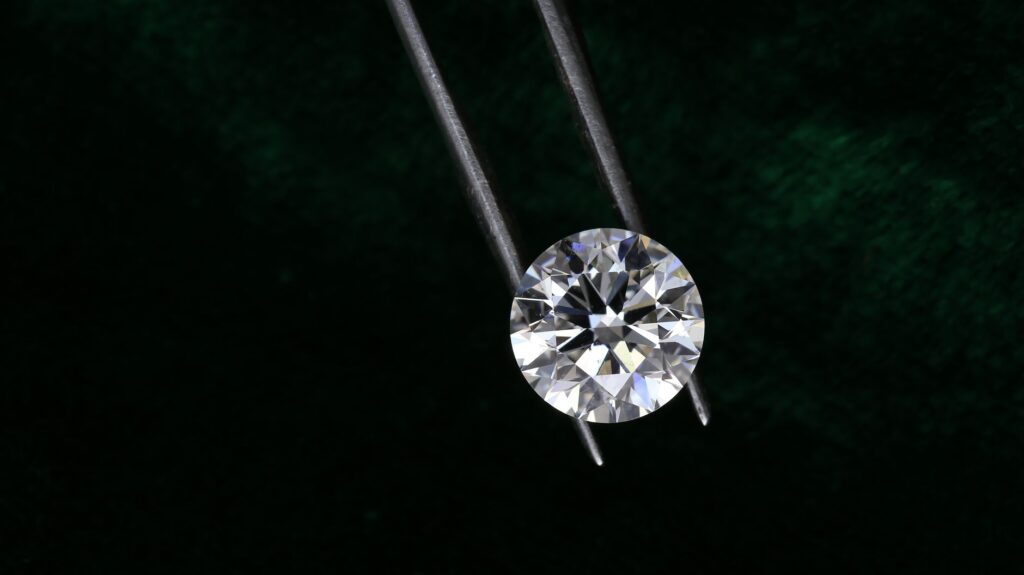
A typical 2 carat round diamond usually measures about 8.0 to 8.2 mm in diameter. Visually, that is considered a large diamond for an engagement ring and offers strong finger coverage on most ring sizes.
Here is the short version of how big a 2 carat diamond looks:
- On smaller fingers, it can look quite prominent and occupy a large portion of the finger width.
- On average finger sizes, it still looks clearly substantial and noticeably larger than a 1 to 1.5 carat diamond.
- On larger fingers, it looks elegant and sizable, though sometimes less oversized than buyers expect.
- In elongated shapes such as oval, pear, or marquise, 2 carats often looks larger than a round of the same weight.
If you want a direct practical takeaway, a 2 carat diamond is large enough that most people will perceive it as a high-visibility center stone. However, the exact look depends heavily on measurements, shape, and ring design, not just the carat label.
Understanding the Carat Concept
What diamond carat actually means
Carat is a unit of weight, not visible size. One carat equals 0.2 grams, so a 2 carat diamond weighs 0.4 grams. That is useful for pricing and grading, but it does not tell you exactly how large the diamond will look from the top.
This distinction matters because buyers often use carat as shorthand for size. In daily conversation, that is understandable. In actual diamond shopping, though, carat and appearance are not the same thing.
What face-up size means
Face-up size refers to how large a diamond looks when viewed from above, which is the angle people see most often in a ring. For a round diamond, face-up size is usually described by diameter in millimeters. For other shapes, it is described by length and width.
When people ask how big does a 2 carat diamond look, what they really want to know is its face-up appearance. Millimeter measurements often answer that question better than carat weight alone.
Why two 2 carat diamonds can look different
Diamonds are three-dimensional objects. If more of the weight is hidden in the depth, the stone can weigh 2 carats without looking especially wide across the top. If the proportions are spread more efficiently, the diamond can look larger face-up while still weighing the same amount.
This is why experienced buyers check the grading report measurements instead of focusing only on the carat line.
What a “magic size” means
A magic size is a popular benchmark weight such as 1.00, 1.50, 2.00, or 3.00 carats. These weights are psychologically important in the market, so prices often jump at those thresholds.
That means a 2.00 carat diamond can cost noticeably more than a 1.90 or 1.95 carat diamond, even when the visible size difference is minimal. This becomes very relevant when you are deciding whether a full 2 carat stone is worth the premium.
What Buyers Usually Expect from a 2 Carat Diamond
Expecting a dramatic jump from 1 carat
A 2 carat diamond is not just “double the size” of a 1 carat diamond in the way most people imagine. It is double the weight, but visual size increases by surface area and dimensions, not by the carat number alone.
For example, a well-cut 1 carat round diamond often measures around 6.4 to 6.5 mm. A well-cut 2 carat round is often around 8.0 to 8.2 mm. That difference is obvious to the eye, but it is not as if the diameter doubles.
Assuming all 2 carat diamonds look equally large
Buyers often believe that once the certificate says 2 carats, the appearance is settled. In reality, one 2 carat diamond can face up larger than another because of cut style and proportions. Shape also changes perception dramatically.
A 2 carat oval or marquise can appear larger than a 2 carat round because it spreads its weight over a longer outline. That longer silhouette creates a larger visual footprint.
Ignoring finger size
The same diamond can look very different on different hands. On a size 4 finger, a 2 carat round may look bold and dominant. On a size 8 finger, it still looks substantial, but less oversized.
This is one of the biggest reasons online photos can be misleading. Without knowing the finger size, it is hard to judge scale accurately.
Believing bigger always means better
At 2 carats, quality choices become more visible. Poor cut, obvious color tint, or visible inclusions can draw more attention in a larger stone. Buyers who put everything into carat weight sometimes end up with a diamond that looks less attractive overall.
A slightly smaller but better-cut diamond often looks brighter, more balanced, and sometimes even more impressive in everyday wear.
What a 2 Carat Diamond Actually Looks Like
Typical visual impression
A well-cut 2 carat diamond usually looks large, not just moderately sized. In engagement ring terms, it is above average in visual presence. It tends to stand out easily in normal social settings, especially in a solitaire or simple setting that keeps the center stone visually prominent.
People generally notice a 2 carat center diamond. It has enough spread and presence to be recognized as a significant stone, particularly in a round, oval, cushion, or radiant cut.
Typical measurements by shape
Below are rough face-up measurements for well-proportioned 2 carat diamonds. These can vary, but they provide a practical visual reference.
| Shape | Typical 2 Carat Measurements | How It Usually Looks |
|---|---|---|
| Round | About 8.0 to 8.2 mm diameter | Balanced, classic, large but compact |
| Oval | About 9.8 x 7.4 mm to 10.2 x 7.8 mm | Longer, often appears larger than round |
| Cushion | About 7.5 x 7.2 mm to 8.0 x 7.6 mm | Softer outline, can look slightly smaller face-up |
| Princess | About 7.0 x 7.0 mm to 7.4 x 7.4 mm | Square shape, often looks smaller than round |
| Radiant | About 8.3 x 6.8 mm to 8.8 x 7.2 mm | Bright and lively, moderate to large spread |
| Emerald | About 8.7 x 6.5 mm to 9.2 x 6.8 mm | Elegant, elongated, broad flashes, often larger-looking |
| Pear | About 10.5 x 6.8 mm to 11.0 x 7.2 mm | Length creates strong visual size |
| Marquise | About 11.5 x 6.5 mm to 12.5 x 7.0 mm | Usually one of the largest-looking shapes per carat |
Finger coverage on the hand
Finger coverage refers to how much of the finger’s width the diamond occupies when viewed from above. This affects whether the diamond looks delicate, balanced, or bold.
A 2 carat round on an average ring size often covers a substantial portion of the finger, but not edge-to-edge. It looks prominent without necessarily appearing overly wide. In elongated shapes, coverage can feel larger because the diamond stretches along the finger length and creates more visual reach.
How a 2 carat diamond compares in everyday settings
In a jewelry store, where bright lighting exaggerates sparkle, a 2 carat diamond may look especially dramatic. In normal daylight, office lighting, or indoor home lighting, it still appears large, but the impression becomes more about proportion and outline than pure sparkle.
This is an important reality check. A 2 carat diamond is impressive, but its beauty in everyday use depends on cut quality and overall balance, not only its weight.
Factors That Change How Big a 2 Carat Diamond Looks
Shape
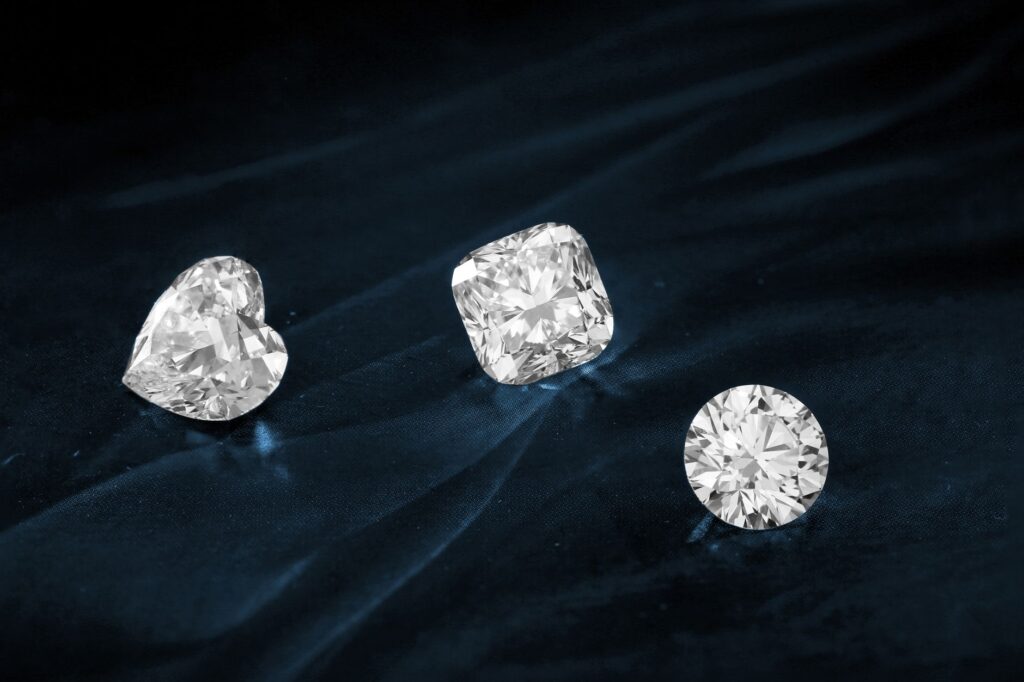
Shape is one of the biggest influences on apparent size. Some shapes spread their weight across a larger surface area and look bigger. Others carry more weight in depth or corners and look smaller face-up.
Shapes that often look larger per carat include:
- Oval
- Marquise
- Pear
- Emerald
Shapes that can look slightly smaller face-up include:
- Cushion
- Princess
- Asscher
Round diamonds tend to sit in the middle. They have strong brightness and a classic shape, but they do not always give the largest visual spread for the weight.
Cut quality
Cut quality affects both sparkle and perceived size. A well-cut diamond reflects light efficiently, which helps it look lively and visually defined. A poorly cut diamond may have dead areas or weak brightness, making it feel less impressive even if the measurements are acceptable.
With round diamonds, cut is especially important because strong proportions support both beauty and appropriate spread. A deep stone may look small for its weight. A shallow stone may look wide but sacrifice performance. The goal is balance.
Depth percentage
Depth percentage describes how tall a diamond is relative to its width. If the diamond is too deep, more of the weight is hidden below the top surface. That can make a 2 carat diamond look smaller than another 2 carat diamond with better spread.
This is one reason grading report measurements matter so much. A buyer focused only on the 2 carat label may miss a diamond that faces up like a lighter stone.
Length-to-width ratio
For fancy shapes such as oval, pear, emerald, and marquise, the length-to-width ratio changes the overall look. A longer shape tends to appear larger because it covers more of the finger vertically. A shorter, chunkier version of the same shape may appear less expansive.
Neither approach is automatically better. It depends on whether you prefer a bold elongated look or a more compact outline.
Setting style
The setting can make a 2 carat diamond look larger, smaller, more isolated, or more integrated into the ring design.
Settings that can increase apparent size include:
- Halo settings, which surround the center with small diamonds
- Thin bands, which make the center stone appear larger by contrast
- Hidden halo or open basket designs that keep the center visually elevated
Settings that can make the center feel a bit less dominant include:
- Very wide bands
- Heavy three-stone settings with substantial side stones
- Chunky bezels that visually frame more metal around the stone
That does not mean these settings are inferior. It simply means they influence how the size reads at a glance.
Finger size
This factor is often underestimated. A 2 carat round diamond can look dramatically different on a size 4 finger versus a size 8 finger, even though the diamond itself has not changed.
| Finger Size | How a 2 Carat Round Usually Looks |
|---|---|
| Size 4 | Large and very prominent, strong coverage |
| Size 5 to 6 | Substantial and balanced, clearly noticeable |
| Size 7 | Still large, but slightly less oversized in appearance |
| Size 8+ | Elegant and sizable, though sometimes more moderate than expected |
Real-World Size Examples
2 carat round on a size 4 finger
On a size 4 finger, a well-cut 2 carat round can look strikingly large. The stone may occupy a large portion of the visible finger width and create a strong center-focused look.
This is often the scenario where buyers describe 2 carats as “huge” or “very bold.” If the wearer prefers a delicate or understated aesthetic, 2 carats may feel larger than ideal in this context.
2 carat round on a size 7 finger
On a size 7 finger, the same diamond still looks large and impressive, but the scale feels more balanced. It remains a prominent center stone, yet it may not appear as oversized as it would on a smaller hand.
This is a useful reminder that photos without ring size context can distort expectations. A 2 carat diamond may look very different across different hands in real life.
2 carat oval vs 2 carat round
A 2 carat oval often looks larger than a 2 carat round because it has more length and usually a larger face-up footprint. It can also create a finger-lengthening effect, which adds to the visual impression of size.
The trade-off is that ovals can show bow-tie darkness depending on cut quality, and some buyers prefer the balanced symmetry and sparkle pattern of a round diamond. The oval may look larger, but that does not automatically make it the better choice for every buyer.
1.5 carat vs 2 carat round
A typical 1.5 carat round may measure around 7.3 to 7.5 mm, while a 2 carat round may measure around 8.0 to 8.2 mm. The jump is visible. Most people can see the difference when the stones are side by side.
In everyday wear, though, that increase may feel meaningful or moderate depending on the setting and finger size. It is not a subtle upgrade, but it is also not a transformation as dramatic as the price increase might suggest.
1.9 carat vs 2.0 carat round
This is one of the most important comparisons in practical buying. A 1.9 carat round can look extremely similar to a 2.0 carat round, especially once set. The visible millimeter difference is often very small.
However, the price can jump because 2.0 carats is a benchmark size. Buyers who want the look of 2 carats without paying the full premium often do well by considering diamonds just under the mark.
2 carat cushion vs 2 carat oval
A 2 carat cushion generally looks smaller than a 2 carat oval. Cushions often carry more depth and have rounded corners, which can reduce visible spread. Ovals look more elongated and expansive.
Still, cushions can appeal strongly to buyers who want a softer shape and a more romantic, pillowy outline. The “larger-looking” option is not always the preferred option aesthetically.
Price vs Visual Benefit
The size increase is real, but the price increase is steeper
A 2 carat diamond is clearly larger than a 1 carat or 1.5 carat diamond, but pricing does not rise in a straight line. As carat weight increases, price often climbs much faster than visible size.
This is especially true for natural diamonds. Larger diamonds are rarer, so the cost per carat rises significantly at higher weights. By the time you reach 2 carats, the premium can be substantial.
Diminishing visual returns
The concept of diminishing returns is useful here. The jump from 1 carat to 2 carats is visually meaningful, but it is not a doubling of visible diameter. At the same time, the price may more than double depending on quality factors.
That means every extra fraction of a carat near 2.0 may become more expensive than the visual gain suggests.
| Upgrade | Visual Difference | Typical Value Observation |
|---|---|---|
| 1.0 to 1.5 carat | Noticeable | Often worthwhile if size is a priority |
| 1.5 to 2.0 carat | Clearly visible | Can be worth it, but pricing rises sharply |
| 1.9 to 2.0 carat | Usually minimal | Often poor value if paying a large premium |
Natural vs lab grown 2 carat diamonds
Lab grown diamonds have changed the 2 carat conversation significantly. For buyers who care mostly about visual appearance and size on the hand, lab grown options can make a 2 carat diamond far more accessible within budget.
The visual appearance of a certified lab grown diamond and a natural diamond can be the same if cut, color, and clarity are comparable. The main differences are origin, market pricing, and resale dynamics. Lab grown diamonds generally cost less, which often allows buyers to prioritize both size and cut quality instead of compromising heavily.
That said, buyers should still evaluate lab grown diamonds by measurements, cut, and overall quality. A lower price does not automatically mean good value if the stone faces up small or has weak performance.
Who Should Size Up to 2 Carats or More
Buyers who strongly prioritize visible presence
If the center stone’s visual impact matters more than keeping the budget as low as possible, a 2 carat diamond can be a logical target. It creates a clear large-diamond look that is visible even from a conversational distance.
Wearers with larger finger sizes
On larger fingers, stones under certain thresholds can sometimes look smaller than expected. A buyer with a size 7.5, 8, or larger finger may prefer a 2 carat diamond because it provides more proportional coverage.
Those choosing elongated shapes for maximum spread
A 2 carat oval, pear, or marquise can produce a noticeably expansive appearance. Buyers seeking a larger look without jumping to even higher carat weights often find these shapes efficient from a visual standpoint.
Buyers using lab grown diamonds to optimize budget
For someone who wants the look of a large center stone while staying within a more moderate budget, lab grown diamonds can make sizing up more realistic. This is especially relevant in 2026, when the price gap between natural and lab grown remains a major factor in consumer decisions.
The key is to stay selective. Even within lab grown, cut quality, proportions, and overall transparency in grading still matter.
Who Can Save Money Without Sacrificing Much Visual Impact
Buyers willing to stay just under 2 carats
A 1.80 to 1.99 carat diamond can often look extremely close to a full 2.00 carat stone once set. If the dimensions are strong, the visual difference may be minor while the price difference is more meaningful.
Buyers open to elongated shapes
A well-cut 1.7 to 1.9 carat oval or pear can sometimes deliver a face-up appearance that rivals or even exceeds a 2 carat round. This can be a smart option for those who want maximum visible size rather than a specific carat label.
Buyers focused on cut quality first
A beautifully cut 1.8 or 1.9 carat diamond often looks more attractive than a poorly cut 2 carat diamond. Strong light return and balanced proportions create the kind of visual performance that people notice most in daily wear.
Wearers with smaller fingers
On smaller hands, a diamond below 2 carats may already provide a bold look. Some buyers find that 1.5 to 1.8 carats gives them the presence they want without paying for additional weight they do not visually need.
Common Buyer Mistakes
Chasing the 2.00 carat label
The desire to hit an exact benchmark is understandable, but it can lead to overpaying. A diamond just under 2 carats may look almost the same. The grading report measurements usually matter more than the psychological milestone.
Ignoring millimeter measurements
Carat weight alone does not tell you enough. A 2 carat diamond with weak spread may look small for its weight. Always look at diameter for round diamonds or length and width for fancy shapes.
Choosing size over cut
A larger stone with poor cut can look dull, dark, or unbalanced. At 2 carats, these issues become easier to notice. Buyers often get better long-term satisfaction from a slightly smaller diamond with stronger performance.
Overlooking finger size
Scale is personal. A 2 carat diamond may look dramatic on one wearer and simply substantial on another. Judging size without considering hand proportions can lead to incorrect expectations.
Not considering shape efficiency
Some buyers automatically focus on round diamonds without realizing that other shapes can produce a larger face-up look for the same weight. If visual size is the top priority, shape flexibility can improve value.
Using misleading photos as the main reference
Close-up jewelry photography can make almost any diamond appear huge. Camera distance, finger size, setting style, and image cropping all affect perception. Measurements and real-world comparisons are more dependable than glamorized product images.
Paying for unnecessary hidden weight
Some diamonds retain weight in areas that do little for face-up appearance. This is especially important around major carat thresholds. A buyer may pay a premium for weight that is not contributing much to visible size.
How to Judge Whether a 2 Carat Diamond Looks Big Enough for You
Think in millimeters, not just carats
For rounds, learn what 8 mm actually means. For elongated shapes, understand both length and width. These measurements are a better predictor of appearance than carat weight by itself.
Match size to finger width and style preference
Ask whether you want the diamond to look delicate, balanced, bold, or dominant. A 2 carat diamond may feel perfect for one aesthetic and too large or too modest for another depending on the hand and setting.
Compare near sizes side by side
If possible, compare 1.7, 1.8, 1.9, and 2.0 carat options in similar shapes. Side-by-side comparison often reveals that the pricing difference is easier to see than the visual difference.
Consider the full ring design
The center stone does not exist in isolation. Band width, metal color, side stones, and setting height all influence scale. A 2 carat diamond in a thin solitaire can look much larger than the same diamond in a wide, elaborate setting.
Frequently Asked Questions
Is a 2 carat diamond considered big?
Yes. In most engagement ring contexts, a 2 carat diamond is considered large. It has a substantial face-up presence and is noticeably bigger than average center stones. Whether it looks extremely large depends on finger size, shape, and setting style.
Does a 2 carat diamond look twice as big as a 1 carat diamond?
No. A 2 carat diamond weighs twice as much as a 1 carat diamond, but it does not look twice as wide. A typical 1 carat round may measure around 6.5 mm, while a 2 carat round is often about 8.1 mm. The difference is obvious, but not a doubling in diameter.
What shape makes a 2 carat diamond look the biggest?
Marquise, pear, and oval shapes often look the largest for the weight because they spread lengthwise and create a broader visual impression. Emerald cuts can also look large because of their elongated outline. Round diamonds are classic, but they usually do not maximize face-up spread as much as elongated shapes.
Can a 2 carat diamond look small?
Yes, in some cases. A deep-cut diamond with poor spread can look smaller than expected. A 2 carat stone can also seem less dramatic on a larger finger or in a bulky setting. This is why measurements and proportions matter.
Is 2 carats worth it over 1.5 carats?
It can be, depending on your priorities. The visual increase from 1.5 to 2 carats is definitely noticeable. However, the price increase is often much steeper than the size increase, especially for natural diamonds. Buyers should decide whether that extra presence matters enough to justify the premium.
Should I buy a 1.9 carat diamond instead of a 2.0 carat diamond?
Often, yes, if the measurements are strong and the price difference is meaningful. A 1.9 carat diamond can look extremely similar to a 2.0 carat diamond, especially once mounted. This is one of the most common ways to improve value without giving up much visible size.
Do lab grown 2 carat diamonds look different from natural ones?
No, not visually, if the cut, color, clarity, and proportions are similar. A certified lab grown diamond and a natural diamond of comparable quality can look the same to the eye. The main differences are origin, price structure, and resale behavior.
What setting makes a 2 carat diamond look bigger?
Halo settings, thin bands, and designs that keep the center stone visually open can make a 2 carat diamond appear larger. Heavy bezels, very wide bands, or large side stones can make the center feel less dominant, though they may still create a beautiful overall ring.
Conclusion
A 2 carat diamond usually looks large, substantial, and clearly noticeable in an engagement ring. For a round diamond, the typical face-up size of about 8.0 to 8.2 mm gives it strong visual presence on most hands. In elongated shapes like oval, pear, or marquise, 2 carats can appear even larger.
The most important point is that carat weight alone does not determine how big the diamond will look. Shape, cut quality, depth, measurements, setting style, and finger size all influence the final visual result. Two diamonds with the same 2 carat weight can look meaningfully different once you see them from the top.
For buyers focused on value, it often helps to look just under the 2 carat mark, compare shapes carefully, and prioritize spread and cut over the label alone. For buyers focused on maximum visual impact, 2 carats remains a size that delivers a strong and unmistakable presence, especially when the proportions are well chosen.
The best buying decision usually comes from matching the diamond’s actual measurements and appearance to the wearer’s hand, style, and budget. That approach leads to more realistic expectations and better long-term satisfaction than chasing a carat number by itself.