Diamond cut is the factor that most directly influences how much a diamond catches the eye. When people talk about a diamond looking bright, lively, or “sparkly,” they are usually responding to cut quality, even if they do not realize it. That is why How Diamond Cut Affects Brilliance is one of the most important topics for anyone comparing diamonds, especially lab grown diamonds where buyers often focus on size and price first.
Cut does not simply mean the shape of the diamond, such as round, oval, or cushion. It refers to how well the diamond has been fashioned so that light enters, reflects, and returns to the viewer. A well-cut diamond can look more brilliant and lively than a larger diamond with weaker proportions or poor light return.
For buyers, this matters because cut affects appearance more than most other quality factors. Color and clarity are important, but cut is what often determines whether a diamond looks crisp and vibrant or flat and dull. Understanding cut helps you spend money where it makes the biggest visual difference.
Quick Answer
Diamond cut affects brilliance by controlling how efficiently light moves through the stone and back to your eye. A well-cut diamond reflects more light from the top, creating a brighter and more lively appearance. A poorly cut diamond can leak light, look dark in places, or appear smaller and less attractive than its carat weight suggests.
In practical terms, most buyers will notice cut in everyday lighting before they notice many other details. A diamond with excellent cut often looks more brilliant, more balanced, and more visually appealing, even if it is slightly smaller or has a lower clarity grade. For that reason, cut is often one of the best places to prioritize quality.
This does not mean every shopper must buy the highest cut grade available. The right choice depends on budget, shape, certification, and personal preference. But if you want the diamond to look bright and lively, cut should be one of the first things you evaluate.
What Diamond Cut Really Means
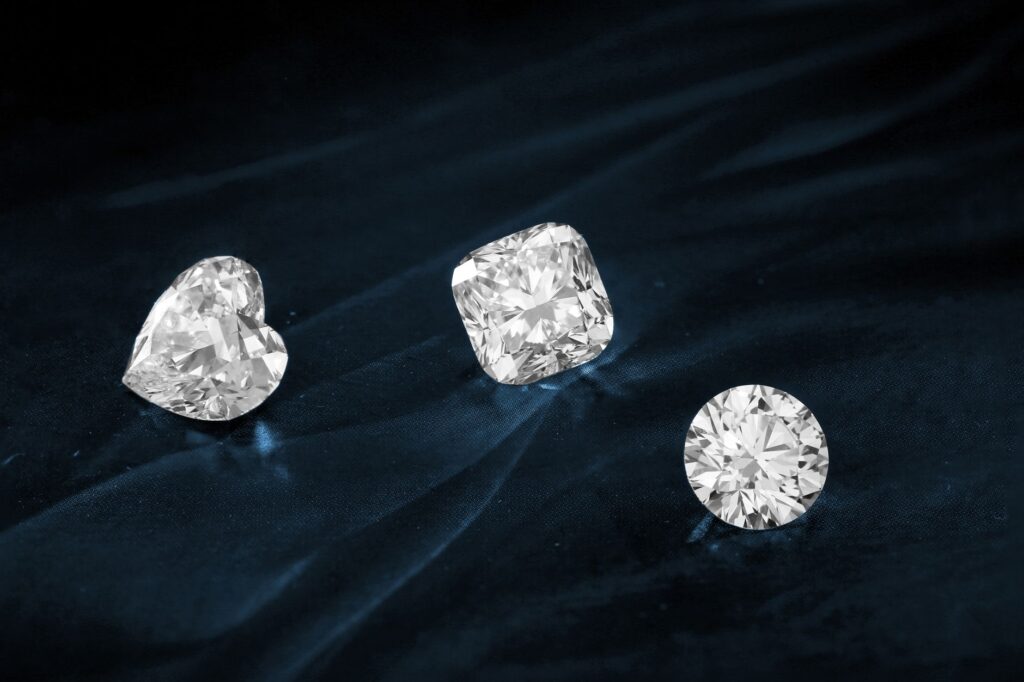
In diamond buying, the word cut is used in two different ways, and that causes a lot of confusion. First, it can refer to the diamond’s shape, such as round, princess, oval, emerald, pear, or radiant. Second, and more importantly for brilliance, it refers to the quality of the diamond’s proportions, symmetry, and finish.
When experts talk about cut quality, they are usually referring to how well the diamond has been crafted to interact with light. This includes the angles of the facets, the depth of the stone, the size of the table, the precision of symmetry, and the smoothness of polish. All of these elements work together to influence brightness and sparkle.
A diamond can be the right shape but still have poor cut quality. For example, two oval diamonds may look very different if one has better proportions and less light leakage. This is why buyers should not rely on shape alone when evaluating beauty.
Cut vs. Shape
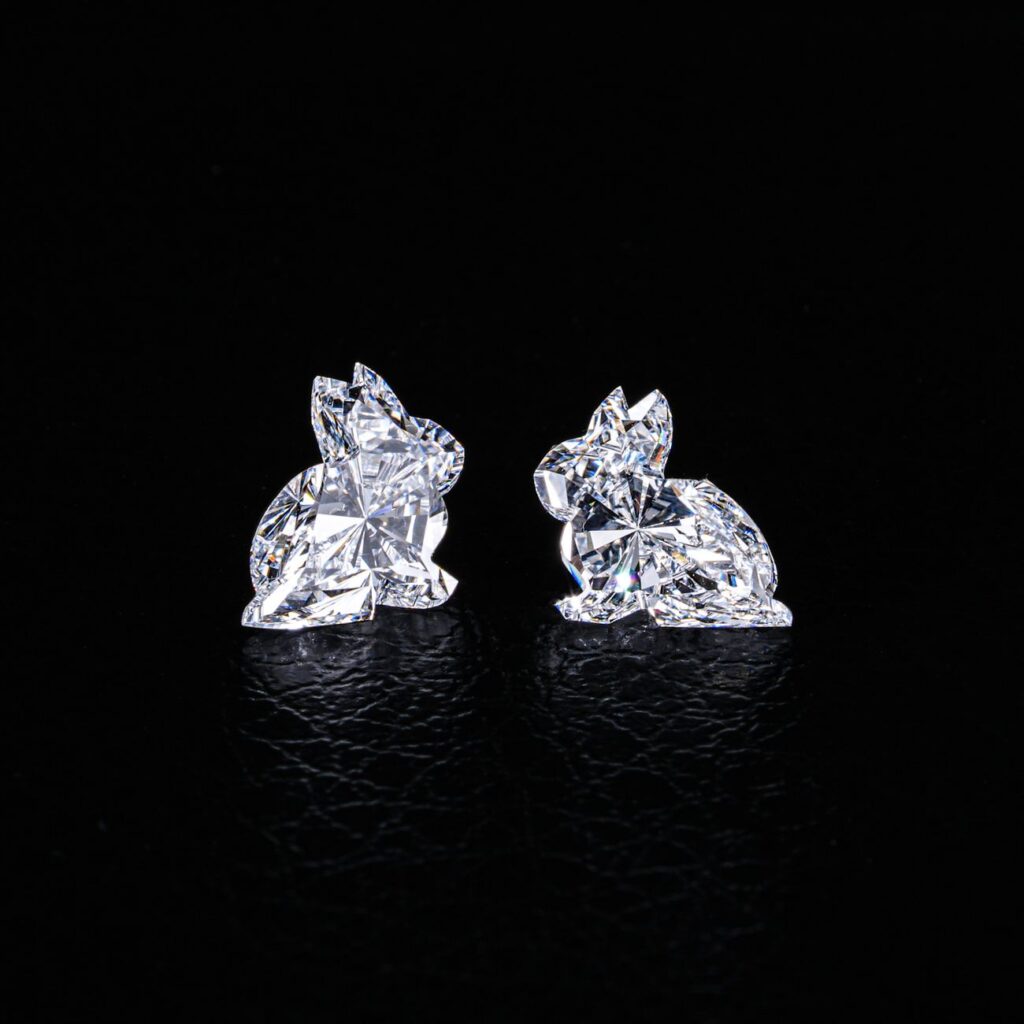
Shape is easy to see at a glance. It tells you whether the diamond is round, oval, emerald, or another outline. Cut quality is less obvious, but it often has a much greater effect on how the diamond looks in real life.
A round diamond with excellent proportions may look brighter than an oval diamond with weak light return, even if the oval is larger. Shape matters for style, but cut quality drives visual performance.
Cut vs. Facet Arrangement
Facets are the tiny flat surfaces on a diamond. Their arrangement determines how light enters and exits the stone. If facets are placed at the right angles and polished well, the diamond can return more light to the viewer.
If the facet pattern is off, light can escape through the bottom or sides. That is called light leakage, and it often makes the diamond look less bright. Buyers do not usually need to memorize facet diagrams, but they should know that facet arrangement is one of the main reasons cut quality matters.
Why Diamond Cut Matters to Buyers
Cut matters because it affects what you actually see on your hand. A diamond with strong cut quality usually looks brighter, more balanced, and more appealing in everyday lighting. That includes indoor light, daylight, office lighting, and restaurant settings.
For many buyers, cut also affects value. A diamond that performs well visually can often be more satisfying than a larger stone with weak proportions. In other words, cut can change how much beauty you get for your budget.
This is especially important in lab grown diamond shopping. Because lab grown diamonds often allow buyers to get more carat weight for the money, it can be tempting to focus on size first. But a larger stone with poor cut may not look better than a smaller stone with excellent cut.
Appearance
Cut influences whether a diamond looks lively or dull. A well-cut diamond reflects light in a way that makes it seem bright across the face of the stone. Poorly cut diamonds may have dark areas, dead zones, or a glassy appearance that reduces visual impact.
Most buyers do not analyze every facet, but they do notice overall presence. If a diamond seems to “come alive” in the light, cut is usually a major reason.
Sparkle
Sparkle is one of the most noticeable effects of cut quality. It comes from the way a diamond reflects and flashes light as it moves. Well-cut diamonds tend to produce a combination of bright white flashes and colorful flashes, depending on lighting conditions.
If cut is poor, sparkle may still exist, but it can look uneven or weak. The diamond may flash in only a few spots instead of across the whole stone.
Value
Cut also affects how efficiently your budget turns into visible beauty. Two diamonds with the same carat weight can look very different if one has better cut quality. In many cases, the better-cut stone will appear more attractive even if it has slightly lower color or clarity.
That is why many informed buyers prioritize cut before making compromises elsewhere. It often produces the largest visible improvement for the money.
How Cut Affects Brilliance, Fire, and Scintillation
These three terms are often used together, but they describe different visual effects. Understanding them makes it easier to compare diamonds in a practical way. They also help explain how diamond cut affects brilliance in everyday viewing.
Brilliance
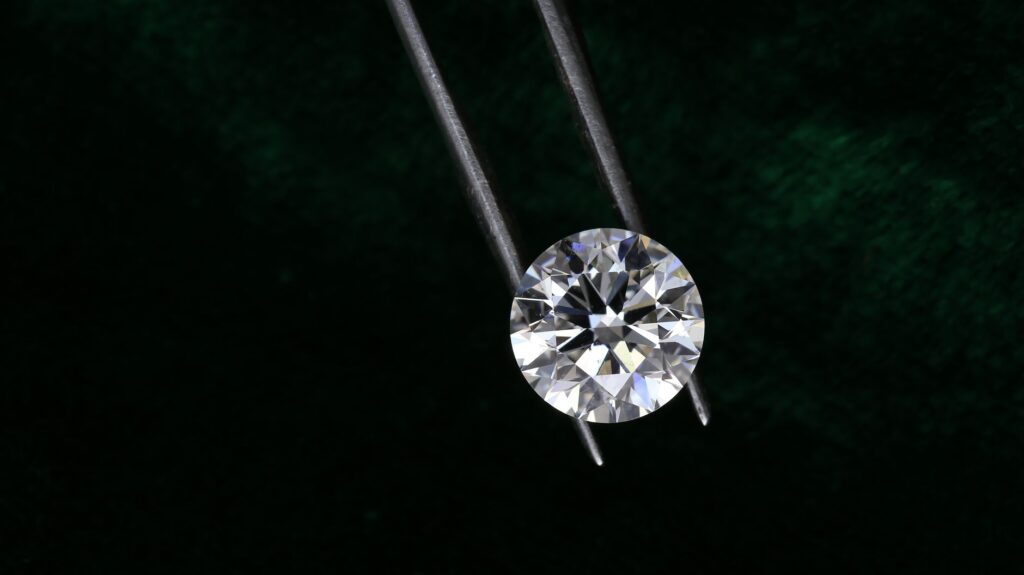
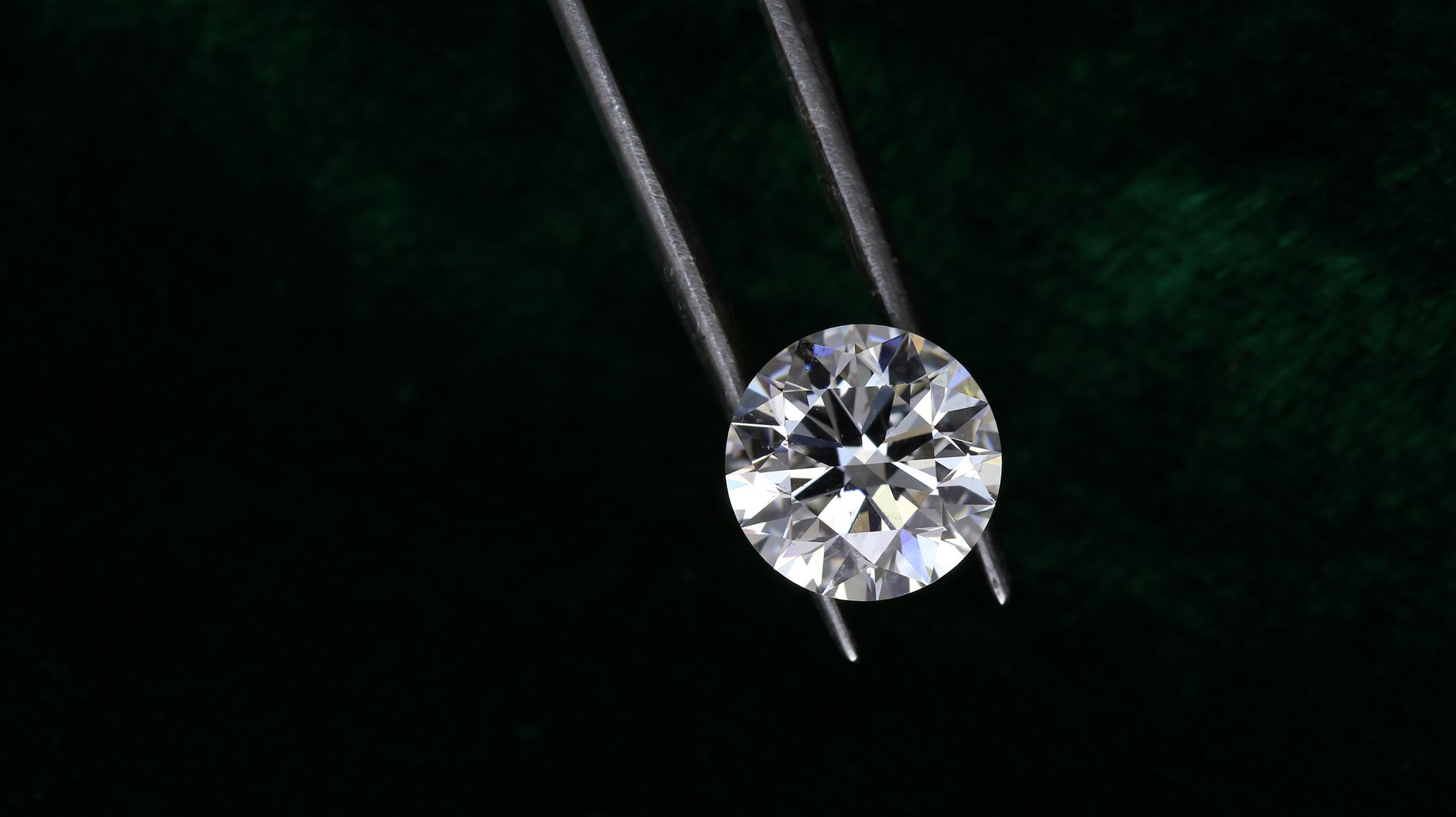
Brilliance is the return of white light from the diamond. A brilliant diamond looks bright and lively when it is viewed face-up. This is often the first thing people notice, especially in round diamonds.
Cut quality strongly influences brilliance because it determines how much light enters the stone and how much comes back to the eye. If the angles are well balanced, brightness is usually stronger and more even.
Fire
Fire refers to flashes of spectral color, the rainbow-like effect you sometimes see when a diamond moves under light. It happens when white light is separated into different colors. Well-cut diamonds can display fire more effectively because they create favorable internal reflections.
Fire is usually most noticeable under spot lighting or direct light sources. It is not the only sign of quality, but it contributes to a diamond’s overall liveliness.
Scintillation
Scintillation is the pattern of sparkle and contrast you see as the diamond moves. It includes the on-and-off flashes of light as well as the dark and bright areas that create visual rhythm. Good scintillation gives a diamond a lively, dynamic appearance.
If cut is poor, scintillation can become muddy or irregular. The diamond may not flash cleanly, or the contrast pattern may look unbalanced.
Brightness and Light Return
Brightness is closely related to brilliance, but it is often used more broadly to describe the overall lightness of the stone. Light return is the technical idea behind it. A diamond with strong light return sends more light back to the viewer instead of letting it escape.
When a diamond has weak light return, the stone can look dull or see-through in places. This is one reason cut is so important when judging diamonds in person or from photos.
What Makes a Diamond Cut Well?
Several technical factors work together to determine cut quality. Buyers do not need to calculate these measurements themselves, but it helps to understand what they mean and why they matter.
Proportions
Proportions refer to the relationships between the diamond’s major measurements, such as table size, depth, crown angle, and pavilion angle. These measurements influence how light moves inside the stone.
Good proportions support balanced light return. Poor proportions can create leakage, dark centers, or a flat appearance.
Table Percentage
The table is the large flat facet on the top of the diamond. Table percentage compares that facet to the overall width of the stone. It matters because table size influences how light enters and exits the diamond.
A table that is too large or too small may affect fire, brightness, and visual balance. The ideal range depends on the shape and cut style, so table percentage should be viewed as part of the overall picture rather than in isolation.
Depth Percentage
Depth percentage measures how deep the diamond is relative to its width. Depth affects how the diamond handles light and also how large it appears face-up. A diamond that is too deep may hide weight in the bottom and look smaller than expected.
A diamond that is too shallow may allow light to leak out, which can reduce brilliance. The goal is a balanced depth that supports both beauty and face-up size.
Symmetry
Symmetry describes how precisely the facets are aligned with each other. Good symmetry helps the diamond reflect light in an orderly way. It also contributes to a crisp, attractive pattern.
For many buyers, symmetry differences are subtle unless the stone is viewed carefully. Still, symmetry matters because it supports optical performance and overall polish quality.
Polish
Polish refers to the smoothness of the diamond’s facet surfaces. Well-polished facets act like cleaner mirrors, allowing light to travel and reflect more efficiently. Poor polish can reduce sharpness and slightly dull the appearance.
Most buyers will not notice minor polish differences in everyday wear, but polish still contributes to the diamond’s final look and is part of a complete cut evaluation.
Light Leakage
Light leakage happens when light passes through the diamond instead of reflecting back to the viewer. This usually makes parts of the stone look dark or transparent. In photos or under certain lighting, leakage can be easy to spot as dull zones or empty-looking areas.
Light leakage is one of the clearest reasons a larger diamond may appear less impressive than a smaller well-cut stone. It is especially important in fancy shapes such as oval, pear, cushion, and emerald cuts, where light behavior can vary more than in round brilliant diamonds.
Cut Grades and What They Mean
Many buyers see cut grades on grading reports and assume the highest grade is always necessary. In reality, cut grading is useful, but it should be interpreted with context. The meaning of the grade depends on the diamond shape, grading lab, and overall balance of the stone.
For round brilliant diamonds, cut grading is typically the most developed and standardized. For many fancy shapes, cut may not be graded as directly, so buyers need to look more closely at proportions, images, and light performance.
Excellent Cut
An Excellent cut grade usually indicates very strong craftsmanship and strong light performance. These diamonds generally offer high brightness, good fire, and balanced scintillation. For most buyers, this grade is a safe place to start when looking for strong visual performance.
That said, not every Excellent cut diamond looks identical. Some may be more lively than others depending on the exact proportions and finish.
Very Good Cut
Very Good cut diamonds can still look attractive and lively, especially if other factors are favorable. In many lighting situations, the difference between Very Good and Excellent may be subtle rather than dramatic.
For buyers working within a budget, a Very Good stone can be a practical option if the diamond still shows strong light return and does not have noticeable visual issues.
Good Cut and Below
Once a diamond drops below the better cut grades, visual trade-offs are more likely. The stone may still be acceptable for some buyers, but it often gives up some brightness, sparkle, or balance. In a smaller stone or one with a lower budget, this may be less noticeable, but the compromise is real.
Buyers comparing diamonds side by side usually find these differences easier to see than they expect. A lower cut grade can create a flatter or less lively look even when the diamond has decent color or clarity.
How Cut Affects Real-World Appearance
The most useful way to think about cut is not in theory, but in daily life. A diamond is usually worn in changing light, not under ideal gemological conditions. What matters most is how it looks in normal situations.
Indoor Lighting
In stores, homes, and offices, a well-cut diamond often looks bright and clean. It tends to show a good balance of white light and sparkle, even when the lighting is not perfect. Weak cut quality can make a diamond look slightly flat under the same conditions.
This is why two diamonds with similar specs can look different in person. The better-cut stone often seems more energetic without needing special lighting.
Daylight
In daylight, a diamond’s brightness and contrast patterns become easier to judge. Well-cut stones usually maintain their sparkle and appear lively. Stones with leakage can look washed out or uneven in natural light.
Some fancy shapes can show strong visual appeal in daylight even if they are not perfect, but cut still plays a major role in whether the stone looks crisp or blurry.
Low Light and Evening Settings
Under dimmer lighting, sparkle may shift from broad brightness to smaller flashes of contrast. Well-cut diamonds still tend to perform better because they retain life and separation between light and dark areas. Poorly cut diamonds can become harder to notice in low light.
This is one reason a diamond may look beautiful in one setting and underwhelming in another. Cut quality helps maintain visual appeal across different environments.
Phone Photos and Videos
Online photos can be misleading because camera settings, lighting, and editing all affect how a diamond appears. Still, good cut often shows up in a diamond’s face-up brightness and balanced sparkle. Diamonds with strong light return usually photograph better, though video quality matters a great deal.
Buyers should be cautious about judging cut from a single image. Ideally, they should review videos, proportions, and grading details together.
Why Some Diamonds Look Bigger Than Others
Cut does not just affect sparkle. It also influences face-up size, which is the visible spread of the diamond when viewed from above. Two diamonds with the same carat weight can appear different in size depending on their cut proportions.
A well-proportioned diamond often spreads weight efficiently across the top. A stone that is too deep may hide carat weight lower in the pavilion, making it appear smaller. A shallow stone may face up larger but can sacrifice light performance if the proportions are off.
This is especially relevant in lab grown diamonds, where buyers sometimes chase carat weight because it is more affordable than in natural diamonds. A well-cut 1.5-carat diamond can often look more impressive than a poorly cut 2-carat diamond if the larger stone has weak spread or poor brilliance.
Practical Examples Buyers Can Relate To
Real buying decisions are easier to understand through comparison. These examples show how cut can affect visible results more than many people expect.
Example 1: A Well-Cut 1.5-Carat Diamond vs. a Poorly Cut 2-Carat Diamond
On paper, the 2-carat diamond seems more impressive because it is larger. In person, that advantage can disappear if the diamond has weak proportions or light leakage. The 1.5-carat stone may look brighter, crisper, and more balanced.
For many buyers, the better-cut smaller diamond ends up feeling more luxurious because it looks more alive. This is a good reminder that carat is not the same as visual beauty.
Example 2: Excellent Cut vs. Very Good Cut in Everyday Lighting
In a side-by-side comparison, an Excellent cut diamond may show slightly stronger brightness, a cleaner pattern of flashes, or a more refined balance of light and contrast. In everyday settings, however, the difference may be modest rather than dramatic.
For some shoppers, that slight improvement is worth paying for. For others, a carefully chosen Very Good diamond may offer a better value if the price difference is meaningful.
Example 3: Higher Clarity with Poor Cut vs. Lower Clarity with Excellent Cut
A diamond with higher clarity but weak cut can still look less attractive than a lower-clarity diamond with excellent cut. That is because clarity is about internal features, while cut affects overall brightness and life.
In many cases, a slightly lower clarity grade is not visible to the naked eye, while a poor cut can be obvious. This is why experienced shoppers often prioritize cut before chasing higher clarity than they truly need.
Example 4: Lab Grown Diamond Size vs. Cut Performance
Because lab grown diamonds can offer more size for the budget, buyers may be tempted to maximize carat weight. But if cut quality is overlooked, the diamond may not look as impressive as expected. A smaller, well-cut lab grown diamond often produces a more satisfying everyday appearance than a larger stone with weak light performance.
This is one of the most common surprises for first-time buyers. Bigger is not always better when the cut is compromised.
Lab Grown Diamonds and Cut Quality
Lab grown diamonds follow the same physical principles as natural diamonds. They still need good cut proportions, symmetry, and polish to perform well. The fact that a diamond is lab created does not change how light behaves inside it.
In some ways, cut becomes even more important for lab grown buyers because the category often attracts shoppers seeking value and visual impact. Since price differences can make larger stones more accessible, it becomes tempting to prioritize size over quality. That can be a mistake if brilliance is the goal.
Another practical point is that lab grown diamonds are sold across a wide range of quality levels. Certification remains important, because it helps you compare cut grades and understand whether the diamond has been evaluated by a respected lab. The report does not replace visual inspection, but it gives useful structure to the buying process.
What Experienced Buyers and Jewelers Look For
People who compare diamonds regularly often look beyond the cut grade alone. They know that grading labels are useful but not perfect. They also know that the diamond’s actual appearance matters more than the number on the report.
Face-Up Brightness
One of the first things many experienced viewers assess is how bright the stone looks from the top. Does light return evenly across the face, or are there noticeable dark areas? This is often more informative than carat weight alone.
Pattern and Contrast
Good diamonds often show a pleasing pattern of bright and dark areas that changes as the stone moves. This contrast gives sparkle definition. A stone without enough contrast can look washed out, while one with too much darkness can look harsh.
Symmetry and Balance
Clean symmetry helps the diamond look polished and intentional. Even if a buyer does not consciously analyze facet alignment, the brain often responds to visual balance. That is one reason well-crafted diamonds tend to feel more attractive at first glance.
Shape-Specific Performance
Experienced shoppers know that not all shapes perform the same way. Round diamonds usually offer the most predictable brilliance. Fancy shapes require more careful review because the best proportions can vary more widely from stone to stone.
Advantages of Prioritizing Cut
There are several reasons cut is often worth prioritizing, especially for buyers who care about visual impact.
- Stronger sparkle in everyday light.
- Better brightness and face-up presence.
- More balanced appearance, which can make the diamond look refined.
- Better value when compared with larger but weaker-cut diamonds.
- More consistent satisfaction over time, since the diamond tends to look appealing in many settings.
For many buyers, these are the features that matter most once the diamond is worn regularly. A diamond that looks good only under certain lighting is less satisfying than one that performs well everywhere.
Limitations and Trade-Offs
Cut is important, but it is not the only factor that matters. A perfect cut cannot completely erase the effects of very noticeable color or clarity issues. It also does not guarantee that every viewer will prefer the same visual style.
Some buyers prefer a slightly larger diamond even if it gives up a bit of cut performance. Others value maximum brilliance more than spread. The best choice depends on personal priorities and budget.
It is also worth remembering that cut grades are not always perfectly comparable across shapes or labs. Especially with fancy shapes, buyers may need to rely on proportions, images, and trusted grading information in addition to the written cut label.
Buying Considerations for Lab Grown Diamond Shoppers
If you are shopping for a lab grown diamond, cut should usually be near the top of your checklist. Because lab grown diamonds can be more accessible by price, shoppers often have room to choose better cut quality without sacrificing as much size or color as they might in a natural diamond budget.
That said, the right balance still depends on the individual buyer. Some people are trying to maximize the stone’s presence for a specific budget. Others want the brightest possible diamond regardless of whether it is slightly smaller.
Set a Budget Based on the Whole Diamond
Do not think about cut in isolation. Consider the full combination of cut, color, clarity, and carat. A modestly smaller diamond with stronger cut can often offer a better overall result than a larger but weaker option.
For many shoppers, this approach leads to better long-term satisfaction because the diamond looks better in normal wear.
Use Certification as a Starting Point
A lab report helps you compare diamonds on paper, but it should not be the only thing you use. Certification gives you information about grades and measurements, yet visual performance still matters.
When possible, review proportions, images, and videos alongside the report. This is especially helpful for fancy shapes or diamonds where the cut grade is not as straightforward.
Consider the Shape You Want
Round brilliant diamonds tend to be the easiest for buyers who want strong, predictable sparkle. Fancy shapes can be beautiful too, but their cut performance often varies more from stone to stone. If you choose a fancy shape, take extra care to evaluate how the diamond handles light.
Think About Long-Term Satisfaction
A diamond is usually worn often and seen in a wide range of settings. The better the cut, the more likely the diamond is to look attractive over time. That does not mean every buyer needs the top grade available, but it does mean cut is rarely a place where compromises are invisible.
Common Buyer Mistakes
Many shoppers make the same mistakes when they first start comparing diamonds. Avoiding these errors can save money and lead to a better-looking stone.
Prioritizing Carat Over Cut
Carat weight is easy to understand, so it often gets too much attention. A larger diamond with poor cut can look less appealing than a smaller diamond with excellent cut. Size alone does not guarantee beauty.
Overpaying for Clarity
Higher clarity grades can be appealing on paper, but many inclusions are not visible to the naked eye. If cut is weak, the diamond may still lack sparkle despite the higher clarity. For many buyers, a better cut gives more visible benefit than a higher clarity grade.
Assuming All Diamonds Sparkle the Same
This is one of the biggest misconceptions. Sparkle varies widely depending on cut quality. Two diamonds with the same carat weight can look dramatically different if one is better crafted.
Ignoring Light Leakage
Some buyers focus on the report but never look closely at how the diamond handles light. Leakage can make a diamond look dull or see-through in certain areas. It is especially important to inspect videos or image-based light performance tools when available.
Reading the Cut Grade Too Literally
Grades are helpful, but they are not the entire story. An Excellent cut diamond can still vary in visual appearance, and a lower grade can sometimes still perform reasonably well. Buyers should use grades as a guide, not as the only deciding factor.
Forgetting That Lighting Changes Everything
A diamond may look great under one light and less impressive under another. This is normal. The goal is to find a diamond that performs well in a broad range of everyday conditions, not just under ideal showroom lighting.
How to Evaluate Cut When Shopping
If you want to judge cut more confidently, focus on a few practical steps. You do not need gemology training to make a smart decision.
- Start with the cut grade when available.
- Review the diamond’s proportions, especially table and depth.
- Look at videos or images that show the diamond in motion.
- Check for signs of light leakage or dull zones.
- Compare stones side by side if possible.
- Think about how the diamond looks in everyday lighting, not only under ideal conditions.
If you are comparing lab grown diamonds online, these steps can be especially helpful. Online listings can make diamonds seem similar when they are not. Better cut information helps narrow the options to stones that are more likely to satisfy you in real life.
Comparison Table: What Cut Quality Changes
| Feature | Strong Cut Quality | Weak Cut Quality | What Buyers Usually Notice |
|---|---|---|---|
| Brilliance | Bright, even light return | Flat or uneven brightness | Usually noticeable quickly |
| Fire | Clear flashes of color | Less visible color flashes | More noticeable in strong light |
| Scintillation | Clean, lively sparkle pattern | Uneven or muddy flashes | Noticeable when the stone moves |
| Face-up appearance | Balanced and visually full | Dull areas or washed-out zones | Often easy to see side by side |
| Face-up size | Good spread for weight | Weight hidden in depth | Visible when compared closely |
| Overall value | Strong visual return for budget | Less beauty per dollar | Most apparent over time |
Frequently Asked Questions
Does cut matter more than color and clarity?
For most buyers, cut has the biggest impact on how beautiful a diamond looks. Color and clarity matter, but a well-cut diamond usually appears more lively and attractive than a poorly cut diamond with better grades in those categories. That is especially true in normal viewing conditions.
Can a diamond with a lower cut grade still look good?
Yes, some lower cut grade diamonds can still look appealing, depending on the shape and exact proportions. However, the risk of weaker brightness or light leakage is higher. Buyers should inspect these stones carefully rather than relying on the grade alone.
Is the difference between Excellent and Very Good cut obvious?
Sometimes it is, and sometimes it is subtle. In side-by-side comparisons, the Excellent stone may look slightly brighter or more balanced. In casual wear, many buyers may not notice a dramatic difference unless the stones are compared directly.
Why does a well-cut diamond look bigger sometimes?
A well-cut diamond can appear larger because it often has better face-up spread and stronger brightness across the top. Poorly cut diamonds may hide weight in the depth, which can make them seem smaller than their carat weight suggests. Visual size and carat weight are related, but they are not the same thing.
Do all diamond shapes show cut quality the same way?
No. Round brilliant diamonds usually show cut performance more predictably, while fancy shapes can vary more. Ovals, pears, cushions, and emerald cuts often require more careful visual review because their sparkle patterns and proportions can differ significantly.
Should I always choose the highest cut grade available?
Not necessarily. The highest grade is often a good place to start, but budget and trade-offs matter. Some buyers may prefer to save money by choosing a stone with slightly lower cut grade if the visual difference is small and the overall diamond still looks strong.
How does cut affect lab grown diamonds specifically?
Cut affects lab grown diamonds the same way it affects natural diamonds. Light performance still depends on proportions, symmetry, and polish. Because lab grown diamonds often give buyers more room on size and price, cut is especially important for making sure the stone looks as impressive as possible.
What is the best way to compare cut online?
Start with the grading report, then look for measurements, videos, and light performance images when available. Compare more than one stone if possible. The goal is to judge how the diamond actually looks, not just how it reads on paper.
Conclusion
Diamond cut has a direct effect on brilliance because it controls how light enters the stone, reflects inside it, and returns to your eye. A well-cut diamond usually looks brighter, more lively, and more balanced than a poorly cut diamond of the same size. That difference can be easy to see in everyday light, which is why cut is one of the most important quality factors for buyers.
If you are shopping for a diamond, especially a lab grown diamond, focus on cut early in the process. Use the cut grade as a guide, but also pay attention to proportions, symmetry, polish, and light performance. A diamond that looks bright and clean in real life is usually a better purchase than one that looks impressive only on paper.
The most practical approach is to balance cut with the rest of your budget. In many cases, choosing a slightly smaller or slightly lower color or clarity diamond with stronger cut leads to a more beautiful result. That is often the smartest way to maximize both appearance and value.