If you are trying to figure out How to Tell If a Diamond Is Well Cut, the most useful place to start is with what you can actually see. A well-cut diamond returns light efficiently, so it looks brighter, more lively, and more balanced across the face of the stone. In everyday viewing, that usually matters more than a slightly bigger carat weight or a higher clarity grade that does not improve appearance much.
Cut is often the quality factor that has the biggest impact on a diamond’s beauty. It affects brilliance, fire, and sparkle, and it also influences whether a diamond looks lively from the top or flat and dull. That is true for natural diamonds and lab grown diamonds alike, because cut is about how the stone is shaped and proportioned, not how it was created.
For buyers, the challenge is that “cut” is sometimes used in two different ways. It can mean the overall cut grade on a grading report, or it can refer more broadly to proportions, symmetry, polish, and light performance. Understanding both helps you judge whether a diamond will look attractive in real life, not just on paper.
Quick Answer
The easiest way to tell if a diamond is well cut is to look for strong brightness, even sparkle, and a lively appearance from different angles. A well-cut diamond should reflect light back to your eye instead of letting too much light leak out the bottom or sides. In practical terms, it should look crisp and lively, not dark in the center, not watery, and not glassy or lifeless.
If you are shopping online, start with the cut grade on the grading report, then check the proportions, symmetry, and any available light performance images. If you are viewing the diamond in person, tilt it under normal lighting and see whether it stays bright and sparkly. A diamond that looks good only in one very specific lighting setup may not be cut as well as it first appears.
For most buyers, a well-cut diamond is worth prioritizing over a larger but poorly cut diamond. The size difference is obvious on paper, but the visual difference in sparkle and beauty can be just as noticeable in person.
What Diamond Cut Really Means
Diamond cut is one of the most misunderstood quality factors because people often think it refers only to shape. Shape is the outline, such as round, oval, princess, or cushion. Cut, by contrast, refers to how well the diamond’s facets are arranged and finished so it can handle light effectively.
When jewelers and gemologists talk about cut quality, they are usually discussing several connected ideas:
- Proportions, meaning the angles and measurements of the diamond
- Symmetry, meaning how accurately the facets line up with one another
- Polish, meaning how smooth and clean the facet surfaces are
- Light performance, meaning how well the diamond returns and disperses light
These factors influence how a diamond looks to the eye. A well-cut diamond tends to appear brighter, more vibrant, and more lively. A poorly cut diamond can look smaller than its weight suggests, or it can look muted even if its color and clarity grades are strong.
Cut grade versus cut quality
On a grading report, the term cut grade usually appears only for round brilliant diamonds from major grading labs such as GIA. That grade is a broad summary of how the stone performed across multiple metrics. It does not tell the full story, but it is a useful starting point.
Cut quality is a wider concept. It includes the report grade, but also visual performance, proportions, and craftsmanship. This matters because two diamonds with similar paper grades can still look different in person.
Why shape and cut are not the same thing
Many first-time buyers assume a diamond’s shape determines its sparkle. Shape does matter, because different shapes interact with light differently. However, within any shape, cut quality still has a large effect on appearance.
For example, two oval diamonds can have very different brightness, bow-tie visibility, and face-up size depending on how they were cut. The same is true for cushion, princess, pear, and emerald cuts. If you are learning about diamond shapes, it helps to remember that the outline is only part of the story.
Why Cut Matters So Much
Cut matters because a diamond is valued largely for the way it looks in light. A diamond is not just judged by how clear it is or how much it weighs. People notice sparkle first, and sparkle is heavily controlled by cut.
When a diamond is cut well, more light enters the stone, bounces internally, and returns to the viewer. This creates brightness and contrast, which are what make a diamond appear lively. If the cut is off, light can escape instead of reflecting back, and the diamond may look dull even if it has excellent color and clarity.
In practical buying terms, cut can affect:
- Appearance, especially brightness and sparkle
- Perceived size, because a well-cut stone can face up more attractively
- Value, since a smaller well-cut diamond may look better than a larger poorly cut one
- Long-term satisfaction, because beauty is what most owners notice daily
This is one reason many experienced buyers and jewelers place cut at the top of the priority list, especially when selecting an engagement ring or a center stone.
How to Tell If a Diamond Is Well Cut From a Grading Report
A grading report is the first place to check because it gives you an independent summary of the diamond’s quality. It is not perfect, but it is useful. For round diamonds, the cut grade is one of the most important clues you have before seeing the stone in person.
Look for the cut grade
For round brilliant diamonds, the most common high-quality grades are Excellent or Ideal, depending on the lab and the grading system used. These grades suggest the stone has a strong chance of performing well in real life.
That said, the top grade is not a guarantee that every diamond will look identical. Grading ranges allow for some variation. A diamond can earn an excellent cut grade and still be stronger or weaker in visual performance than another excellent-cut stone.
Check the proportions
Proportions include measurements such as table percentage, depth percentage, crown angle, and pavilion angle. These numbers affect how light moves through the diamond. If they are too far outside an effective range, the diamond may leak light or appear less balanced.
For most buyers, the key point is not to memorize ideal numbers. The key is to understand that proportions influence real-world sparkle. When proportions are balanced, a diamond tends to show better brightness and contrast. When they are not, the stone may look dark, flat, or overly shallow.
Symmetry and polish
Symmetry refers to how precisely the facets are aligned. Good symmetry helps the stone reflect light evenly and can improve visual consistency. Polish refers to how smooth the facets are after finishing. Good polish helps light travel cleanly across the surface.
These are usually subtle factors, especially to an untrained eye. Very small differences in symmetry or polish may not be obvious in normal wear, but stronger grades are still a positive sign of careful craftsmanship.
Use light performance images when available
Some sellers provide ASET, Ideal Scope, or other light performance images. These tools show where the diamond is returning light and where it is leaking light. They can be especially helpful because they translate technical quality into something more visible.
If a diamond shows too much white or transparent leakage in these images, it may not return light efficiently. That can make the stone look weaker in person, especially in normal indoor light.
What Buyers Actually See in a Well-Cut Diamond
For most shoppers, the most important question is not what the report says, but what the diamond looks like. The visible effects of a well-cut diamond are usually easy to understand once you know what to look for.
Brilliance
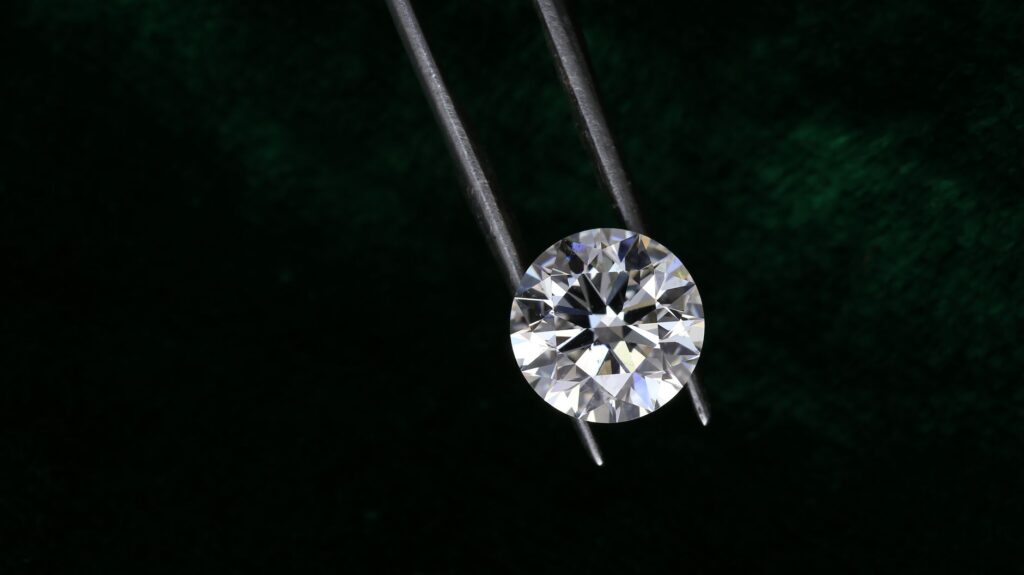
Brilliance is the white light return you see when a diamond reflects light back to your eyes. A well-cut diamond usually looks bright across the entire face, not just in one spot. This brightness is one of the biggest reasons a well-cut stone looks attractive from a normal viewing distance.
If brilliance is weak, the diamond may look grayish, sleepy, or less lively. That effect can be especially noticeable in larger stones or stones with proportions that reduce light return.
Fire
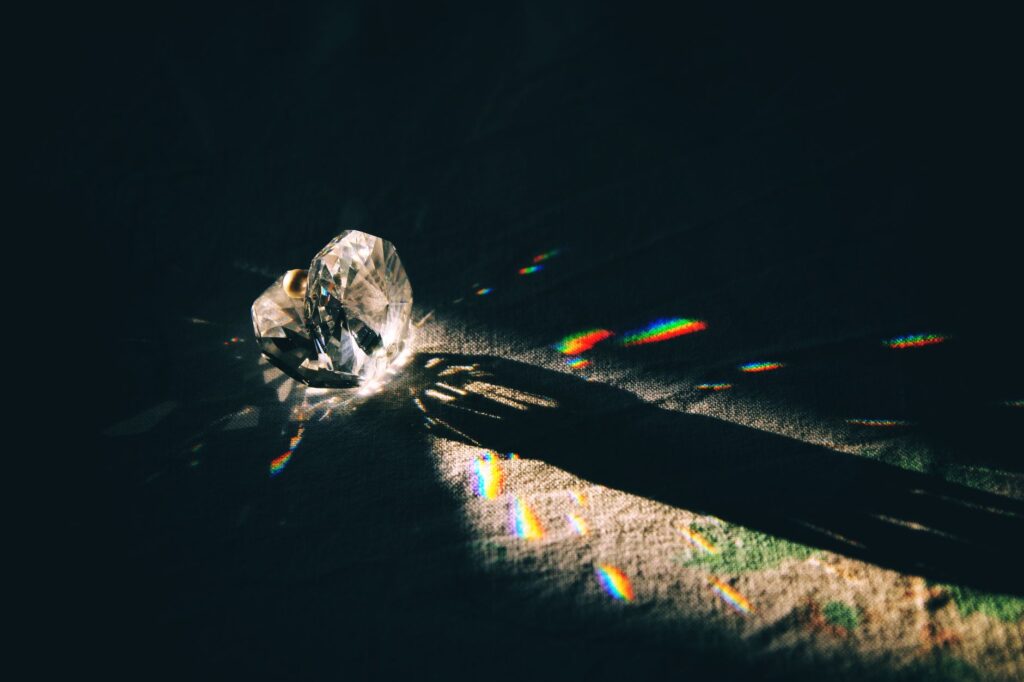
Fire is the flash of spectral color, the rainbow effect you see when a diamond splits white light into colored flashes. A well-cut diamond often shows fire more clearly because its facets are arranged to disperse light effectively.
Fire can be subtle in some lighting and stronger in spot lighting or sunlight. Buyers often notice it most when a diamond moves. It is part of what gives a diamond a dynamic, changing appearance.
Scintillation
Scintillation refers to the pattern of sparkle and dark-light contrast as the diamond moves. This is what creates the lively twinkling effect many people associate with a beautiful diamond.
A well-cut diamond generally has attractive scintillation because its facet arrangement creates crisp flashes rather than a blurry shimmer. Poorly cut stones can look uneven, with large dark areas or overly busy reflections that make the sparkle less pleasing.
Brightness and contrast
Brightness is not just about a diamond looking white. It is about how efficiently it returns light. Contrast is the balance between bright and dark areas that gives sparkle definition. A diamond needs both to look alive.
If a stone is too dark, it can look heavy or shadowed. If it is too uniform without enough contrast, it may look flat. Well-cut diamonds usually strike a pleasing balance that makes the stone look crisp without losing depth.
Face-up appearance
Face-up appearance is how the diamond looks from the top, which is how most people will see it in a ring. A well-cut diamond usually faces up well because its dimensions and angles are optimized for appearance, not just weight retention.
Some diamonds carry weight in the bottom or have proportions that reduce visible size. In those cases, a stone can weigh more but appear smaller or less bright than a better-cut diamond with slightly lower carat weight.
How to Tell If a Diamond Is Well Cut In Person
If you are viewing a diamond at a store or with a jeweler, you can learn a lot by observing it in normal conditions. You do not need specialized tools to notice the most important signs of good cut.
View it under different lighting
A diamond should look good under more than one light source. Jewelry store lighting is often bright and flattering, but it can exaggerate sparkle in ways that hide weaknesses. A stone that still looks bright and lively in softer or more diffuse light is usually a better sign.
Look at it under:
- Bright spot lighting
- Mixed indoor lighting
- More diffuse light near a window
If the stone goes dark quickly when you tilt it, or if it seems to lose life outside one ideal lighting setup, that can suggest weaker light performance.
Watch how it sparkles when it moves
Move the diamond slowly and see whether the sparkle looks sharp and balanced. A well-cut diamond usually shows a pattern of crisp flashes rather than a dull glow. The effect should change naturally as the stone moves, not seem static.
This matters because diamonds are rarely viewed completely still. Rings move constantly with the hand, so motion performance is part of real-world beauty.
Check for a dark center or dead zones
Some diamonds show an obvious dark center when viewed face-up. Others have sections that look weaker than the rest of the stone. A little contrast is normal and desirable, but large dark areas can be a sign of less effective cut.
In some shapes, a dark zone may come from the shape style itself rather than poor cutting. Still, if the diamond appears flat or lifeless compared with others of similar size, cut is worth investigating more closely.
Compare it side by side with another diamond
One of the best ways to tell if a diamond is well cut is to compare it directly with another stone of similar size and shape. Differences in brightness and sparkle become easier to notice when the diamonds are seen together.
Many buyers are surprised by how much more visible cut quality becomes in side-by-side comparisons. A smaller well-cut diamond may immediately outshine a larger stone that looks less lively.
What Is Light Leakage and Why Does It Matter?
Light leakage happens when light enters a diamond but escapes out the bottom or sides instead of returning to the eye. This is one of the main reasons some diamonds look dull or transparent in the wrong areas.
Not all leakage is equally noticeable, and some can be minor. But when leakage is significant, it reduces brightness and can make the diamond appear less attractive, especially in everyday lighting.
For buyers, the practical point is simple. Less light leakage usually means a livelier, more beautiful diamond. If you can see light performance images, look for stones that return light evenly and do not show large leakage zones.
What Are Table, Depth, Crown Angle, and Pavilion Angle?
These terms often appear on grading reports, and they matter because they affect how light behaves inside the diamond. You do not need to become a gemologist, but it helps to know what each one means in practical terms.
| Term | What it means | Why it matters to buyers | What you may notice |
|---|---|---|---|
| Table percentage | The size of the flat top facet compared with the diamond’s width | Influences brightness, fire, and balance | A diamond may look more fiery, more bright, or less balanced depending on proportions |
| Depth percentage | How deep the diamond is relative to its width | Can affect face-up size and light return | Too much depth can make a stone look smaller, too little can cause light leakage |
| Crown angle | The angle of the upper facets above the girdle | Affects fire and brightness balance | Can influence whether the diamond looks lively or flat |
| Pavilion angle | The angle of the lower facets below the girdle | Critical for returning light efficiently | Wrong angles can lead to leakage or dark areas |
These numbers are useful, but they should be read as part of a bigger picture. A diamond with excellent-looking proportions is more likely to perform well, yet the easiest real-world test is still visual performance.
What Is Hearts and Arrows?
Hearts and Arrows is a pattern seen in some very precisely cut round brilliant diamonds. Under special viewing conditions, the diamond may show symmetrical hearts on one side and arrows on the other. This suggests very precise facet alignment.
What does that mean for buyers? Usually, it indicates strong optical symmetry and craftsmanship. Many Hearts and Arrows diamonds also have excellent light performance, though the pattern itself is not a guarantee that every stone will look perfect.
Most ordinary buyers will not view the diamond through a special scope every day. So the practical value of Hearts and Arrows is less about the pattern alone and more about what it can signal about cutting precision.
How Cut Affects Different Diamond Shapes
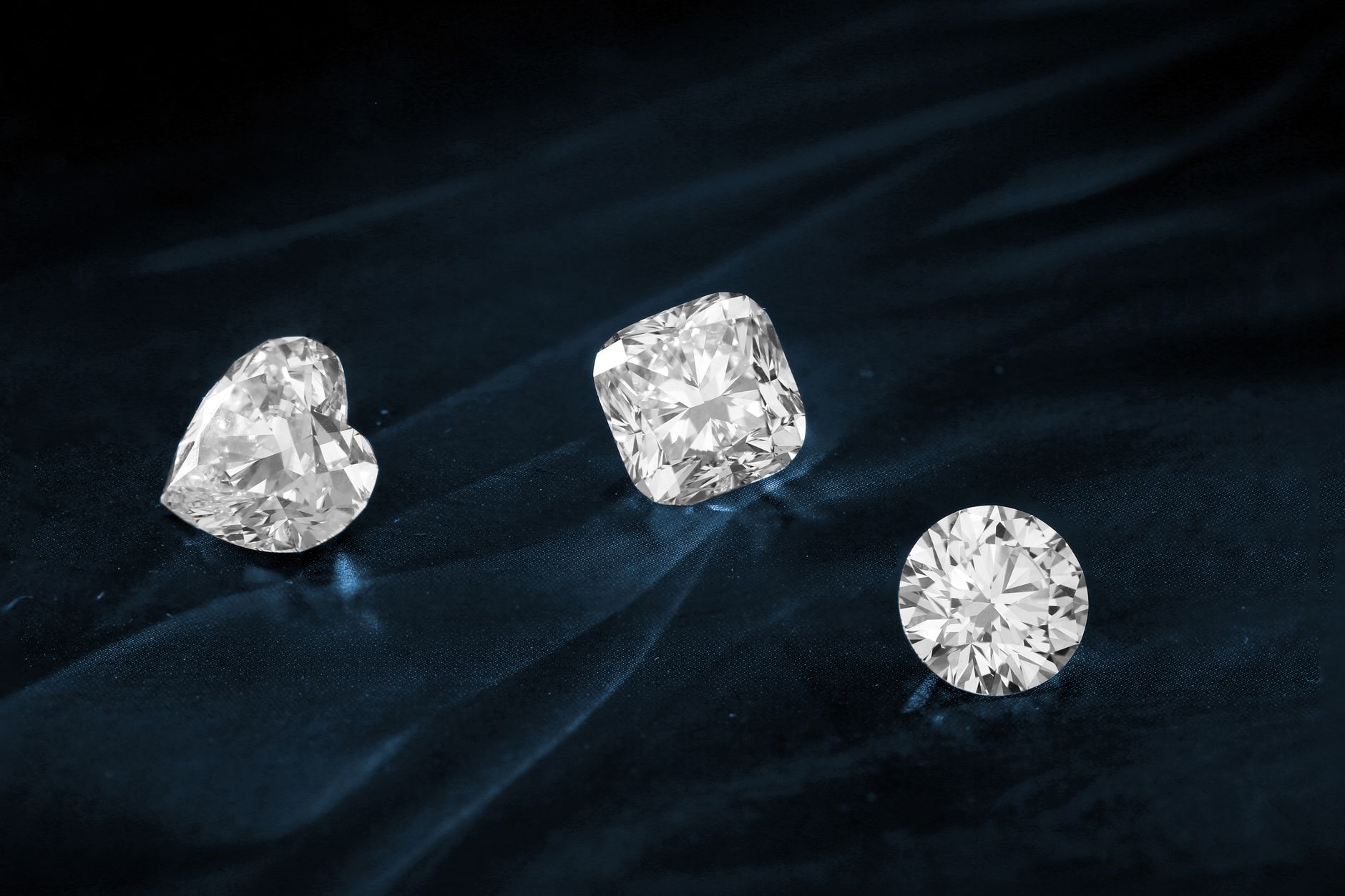
Cut matters in every shape, but the signs of good cut vary depending on the shape. Round brilliants are the easiest to grade consistently, while fancy shapes require more visual judgment.
Round brilliant
Round diamonds are designed for maximum light return, and they usually show the strongest sparkle when well cut. Because the shape is standardized, cut grading is especially useful here. This is the shape where cut quality is most directly tied to brilliance and sparkle.
Oval
Oval diamonds can look large and elegant, but they are more likely to show a bow-tie effect, which is a dark area across the center. A good oval will minimize that effect while maintaining brightness. Poorly cut ovals can look uneven or overly dark in the middle.
Princess
Princess-cut diamonds are square and can look very sparkly, but the quality of the corners and facet arrangement matters a lot. Good proportions help them look bright and balanced. Weak cut quality may reduce brilliance or make the corners seem vulnerable.
Cushion
Cushion cuts vary widely. Some are designed for a softer, vintage look, while others maximize sparkle. Because cushion cuts are less standardized, judging them by visual performance is especially important. Two cushion diamonds with the same grade can look quite different.
Pear and marquise
These elongated shapes can look elegant and face up with impressive size, but cut quality strongly affects symmetry and how evenly light is distributed. Buyers should pay attention to whether the tip and rounded end look balanced and whether the center appears too dark.
Emerald cut
Emerald cuts are step cuts, which means they sparkle differently from brilliant cuts. They show broad flashes of light instead of lots of tiny sparkles. In this shape, cut quality affects clarity of reflections, elegance, and symmetry more than intense sparkle.
Cut Versus Clarity Versus Color
One of the most common buying mistakes is focusing too heavily on clarity or color while overlooking cut. Cut often has a larger effect on beauty than either of those factors, especially once the diamond is eye-clean and the color is within a reasonable range.
Here is the practical trade-off: a higher clarity diamond with weak cut may still look less attractive than a lower clarity diamond with excellent cut. The reason is simple. Sparkle and brightness are easier to notice than a tiny inclusion that you may never see without magnification.
| Factor | What buyers usually notice | Visual impact in everyday viewing |
|---|---|---|
| Cut | Brightness, sparkle, liveliness, size perception | Usually the strongest visible effect |
| Color | Warmth or lack of whiteness, especially in certain settings | Often subtle unless color is lower or the setting is very white |
| Clarity | Whether inclusions are visible to the eye | Usually minor if the stone is eye-clean |
This does not mean color and clarity are unimportant. It means their visible impact often depends on the diamond’s cut. A beautifully cut stone can make a slight tint or small inclusion less noticeable because the diamond draws attention with sparkle.
How Cut Affects Lab Grown Diamonds
Cut quality matters just as much in lab grown diamonds as it does in natural diamonds. The source of the diamond does not change how light behaves inside the stone. A lab grown diamond with poor cut can look dull, while a well-cut lab grown diamond can look very lively and attractive.
Because lab grown diamonds often offer more carat weight for the budget, some buyers are tempted to prioritize size first. That can be a mistake if the diamond sacrifices cut quality. A slightly smaller but better-cut lab grown diamond will often look more impressive in person than a larger one with weaker proportions.
For buyers comparing lab grown diamonds, it is especially important to check the same cut criteria you would use for natural diamonds:
- Cut grade, when available
- Proportions and measurements
- Light performance images
- Visual appearance in normal light
Lab grown diamonds also make it easier for some buyers to be selective about cut, because the price per carat is often lower. That does not eliminate trade-offs, but it can allow more room in the budget for a better-performing stone.
When Paying More for Better Cut Makes Sense
Paying more for better cut makes sense when appearance matters most, which is true for many engagement ring buyers. If the diamond will be worn often and seen regularly, cut quality has a direct effect on daily enjoyment.
A premium for excellent cut is often justified when it produces visible improvement. That improvement may include better brightness, stronger sparkle, and a more balanced face-up look. In those cases, you are paying for beauty you can actually see, not just a technical grade.
It may also be worth paying more for cut if you are trying to maximize the diamond’s appearance within a fixed budget. Many experienced buyers would rather choose a slightly smaller stone with stronger cut than a larger stone that looks less lively.
When the premium may be smaller
The difference between very good and excellent cut can be subtle in some diamonds, especially to buyers without comparison stones. In those cases, the premium may not feel as meaningful if your budget is tight and the visible difference is small.
That is why it helps to look at actual images or videos, not just the grade. The value of a better cut depends on how much improvement you can see and how much you are paying for it.
When Diminishing Returns Start
Once a diamond reaches a strong cut level, additional spending sometimes produces smaller visible gains. This is a classic case of diminishing returns. A diamond can move from good to very good to excellent, but the practical improvement between the top tiers may be less dramatic than the jump from fair to very good.
For many buyers, the biggest visual difference is between a poor or mediocre cut and a well-cut diamond. After that, the final refinement becomes more about precision and personal preference.
This is why buyers should balance cut against the other characteristics that matter to them. If the stone is already bright, lively, and balanced, additional spending on an incremental improvement may be less important than choosing the right size, shape, or setting.
Practical Examples of Cut Quality
Example 1: A well-cut 1.5-carat diamond versus a poorly cut 2-carat diamond
On paper, the 2-carat diamond sounds more impressive because it is larger. In person, the 1.5-carat diamond may look more attractive if it is well cut and the 2-carat stone is not.
The 1.5-carat stone may appear brighter, more sparkly, and more balanced. The 2-carat diamond may face up less beautifully if it leaks light or carries too much hidden weight in depth. Many buyers find that the smaller but better-cut stone looks more luxurious because it has more life.
Example 2: Excellent cut versus Very Good cut in everyday lighting
The difference between Excellent and Very Good can range from subtle to noticeable depending on the specific stones. In bright jewelry store lighting, both may look attractive. In softer home lighting, a better-cut diamond may retain more brightness and contrast.
For some shoppers, the difference is not dramatic enough to justify a large price jump. For others, especially those comparing stones side by side, the more precise stone stands out. The key is to evaluate the actual diamond, not just the grade label.
Example 3: Higher clarity with poor cut versus lower clarity with excellent cut
Imagine one diamond has a cleaner clarity grade but looks dull because its proportions are weaker. Another has a slightly lower clarity grade but is eye-clean and has strong sparkle. Most people will prefer the better-cut diamond because it looks more beautiful at a normal viewing distance.
This example shows why cut often deserves priority. If inclusions are not visible without magnification, the visual payoff of better sparkle is usually more meaningful than a cleaner report grade.
Advantages of Choosing a Well-Cut Diamond
- More sparkle, which is the effect most buyers notice first
- Better brightness, especially in mixed and indoor lighting
- Improved face-up appearance, so the diamond can look more lively and sometimes larger
- Stronger value for visual quality, because appearance often matters more than small paper differences
- Better long-term satisfaction, since the diamond is more pleasing to wear regularly
Limitations and Trade-Offs
Even a very well-cut diamond is not perfect for every buyer. Cut quality is important, but it is only one part of the decision. Price, size, shape, and budget still matter.
- Higher cut quality can cost more, especially in top graded stones
- Not all grading systems are identical, so labels should be interpreted carefully
- Some shapes are harder to judge, especially fancy shapes with less standardized grading
- Personal taste matters, because some buyers prefer more fire, more brilliance, or a specific style of sparkle
Also, a well-cut diamond will not solve every issue. If the color is too warm for your preference, or the clarity has visible inclusions, cut can improve overall beauty but it cannot completely override those factors.
Common Buyer Mistakes
Prioritizing carat over cut
Many buyers focus on carat weight because it is easy to understand. The risk is that a larger diamond with poor proportions can look less appealing than a slightly smaller well-cut diamond.
Overpaying for clarity that you cannot see
If a diamond is eye-clean, paying a large premium for a higher clarity grade may not improve the way it looks on your hand. In many cases, cut will have a much bigger impact on beauty.
Ignoring light performance
A grading report gives useful information, but it does not always reveal how the diamond performs visually. Skipping videos or light performance images can lead to disappointment, especially when shopping online.
Assuming all excellent-cut diamonds look the same
The grade is a helpful filter, not the final answer. Two excellent-cut diamonds can still differ in brightness, contrast, and visual personality. This is why experienced buyers still compare stones carefully.
Not considering the shape
Some shapes hide cut issues better than others, while some reveal them more clearly. For example, ovals and pears require close attention to symmetry and bow-tie effects. Round brilliants are easier to evaluate by standard cut grade, but fancy shapes need more visual review.
Buying Considerations for a Well-Cut Diamond
Set the budget with cut as a priority
If you are deciding where to allocate budget, cut should usually be near the top of the list. It influences appearance every time the diamond is worn. In many cases, it is smarter to slightly reduce size or clarity than to compromise too much on cut.
Use certification as a starting point, not the only filter
A reputable grading report helps confirm quality, but it should not replace visual review. If possible, combine the report with photos, videos, and light performance data. This is especially important for online purchases.
Pay attention to the setting
The setting can influence how a diamond looks, but it cannot fix a weak cut. A good setting can enhance appearance, yet the stone itself still needs to perform well. White metal settings can also make color differences slightly easier to notice, so cut should be evaluated in the context of the full ring.
Consider lab grown diamond value carefully
With lab grown diamonds, many buyers are trying to maximize size and quality within a budget. Cut remains essential because a larger lab grown diamond does not automatically look better. The best value often comes from a well-cut stone that balances size, brilliance, and overall appearance.
Think about everyday wear
A diamond should look good in the real environments where it will be worn, not just under store lighting. If you want a ring that stays lively at home, at work, and outdoors, cut quality becomes even more important.
How Jewelers Often Judge a Diamond Quickly
Experienced jewelers often look for the same practical signs buyers can learn to recognize. They notice whether the diamond throws bright flashes, whether the center stays lively, and whether the proportions create a pleasing face-up presence. They also look for symmetry and whether the stone seems balanced from multiple angles.
In some cases, jewelers can tell quickly that a stone is well cut because it simply looks right. The diamond feels lively and coherent, with brightness and contrast working together. That is the visual effect buyers usually want, even if they do not use technical language to describe it.
Frequently Asked Questions
Is a diamond with Excellent cut always better than Very Good cut?
Not always. Excellent cut is often the safer choice, but some Very Good diamonds can still look excellent in person. The best answer depends on the specific stone, its proportions, and how it performs visually.
Can a poorly cut diamond still sparkle?
Yes, but usually not as well as a well-cut stone. Even a poorly cut diamond can reflect some light, especially under strong store lighting. The difference is that the sparkle may be less even, less bright, or less attractive in normal conditions.
Does cut matter more than color or clarity?
In many cases, yes. Cut often has the biggest effect on what people notice first, which is brightness and sparkle. Color and clarity still matter, but their visual impact can be less obvious if the diamond is eye-clean and the color is within a reasonable range.
Can I tell if a diamond is well cut without a grading report?
You can get a good sense by looking at brightness, sparkle, and balance in different lighting conditions. However, a grading report adds important information, especially for round brilliant diamonds. The best approach is to use both visual inspection and documentation together.
What is the easiest sign of a well-cut diamond?
The easiest sign is lively light return. If the diamond looks bright, sparkly, and balanced from the top and when it moves, that is a strong indication of good cut quality. If it looks dull or uneven, cut may be the reason.
Are lab grown diamonds cut differently from natural diamonds?
The cutting principles are the same. Both types rely on proportions, symmetry, and polish to control light. The difference is in origin, not in how cut quality affects appearance.
Should I choose a smaller well-cut diamond or a larger poorly cut one?
For most buyers, the smaller well-cut diamond is the better choice if appearance is the priority. It will usually look more brilliant and pleasing in everyday wear. If size is your main concern, the trade-off may still be acceptable, but you should understand that beauty could be compromised.
What should I ask for when shopping online?
Ask for the grading report, proportions, high-resolution photos, videos, and any light performance images available. If the seller can provide comparisons between stones, that can be especially helpful. These tools make it easier to judge whether the diamond is well cut before you buy.
Conclusion
Learning How to Tell If a Diamond Is Well Cut comes down to understanding both the report and the real-world appearance. A well-cut diamond usually looks brighter, sparklier, and more balanced, and those qualities are often easy to notice once you know what to look for. Cut has a major effect on beauty, sometimes more than carat weight, color, or clarity.
For practical buying decisions, start with the cut grade, then look at proportions, symmetry, polish, and light performance. Compare the diamond under different lighting conditions if possible, and pay attention to how it looks when it moves. A diamond that stays lively and attractive in everyday viewing is usually the better choice, even if it is not the largest stone in the case.
If you are choosing between several diamonds, prioritize the one that gives you the best visual performance within your budget. That approach usually leads to better long-term satisfaction than chasing size or paper grades alone.