When shoppers compare Radiant vs Cushion Cut Diamonds, they are usually deciding between two fancy shapes that can look similar at first glance but behave very differently in everyday wear. Both are popular for engagement rings and both can work beautifully in lab grown diamonds, where larger sizes and higher quality grades are often more accessible. The better choice usually comes down to the kind of sparkle you prefer, how much shape definition you want, and how important a soft or crisp outline is to the overall look.
In simple terms, radiant cuts tend to look more structured and lively, with a square or rectangular outline and a bright, modern sparkle. Cushion cuts usually appear softer and more romantic, with rounded corners and a pillow-like shape. Neither shape is universally better. They just create different visual effects, and understanding those differences can help you choose a diamond that fits your style and buying priorities.
Quick Answer
If you want a diamond with strong brilliance, a crisp outline, and a more modern feel, a radiant cut is often the better fit. If you prefer softer edges, a vintage-inspired look, and a shape that feels a little more relaxed, a cushion cut is often more appealing.
For buyers comparing Radiant vs Cushion Cut Diamonds in a lab grown diamond market, the decision often comes down to budget, sparkle preference, and ring style. Radiant cuts can hide inclusions well and often look bright across the stone. Cushion cuts can offer a romantic look with a wider range of facet patterns, which means two cushion diamonds may perform quite differently even when they share the same carat weight.
What Makes Radiant and Cushion Cuts Different?
Both radiant and cushion cuts are considered modified brilliant cuts, which means they are designed to return a lot of light and create sparkle. However, they are not cut in the same way, and that difference affects almost every visual trait buyers care about.
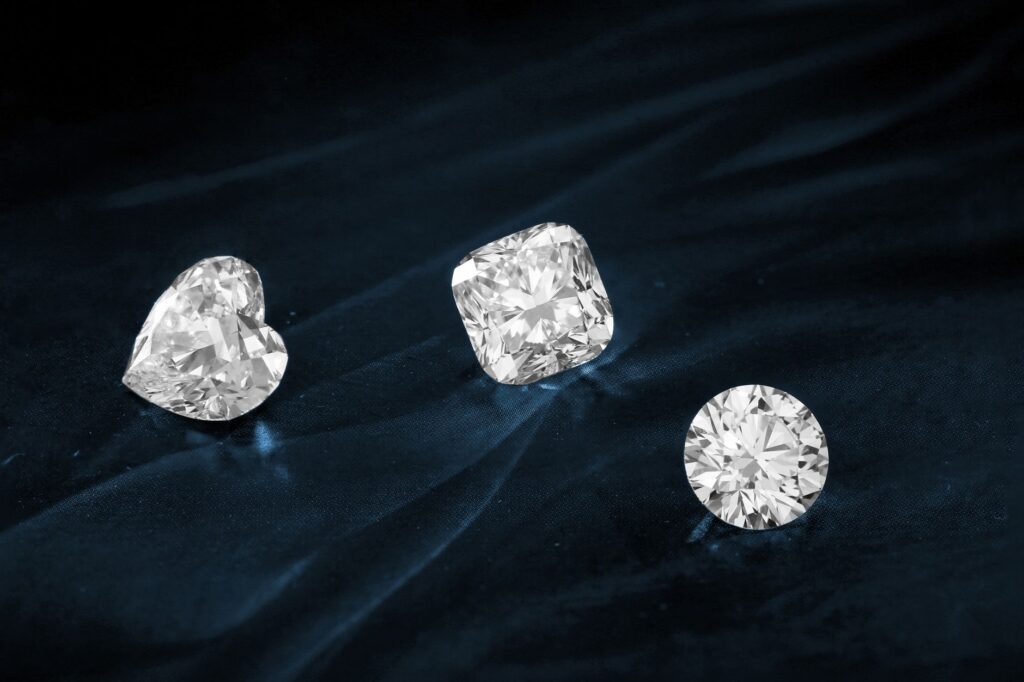
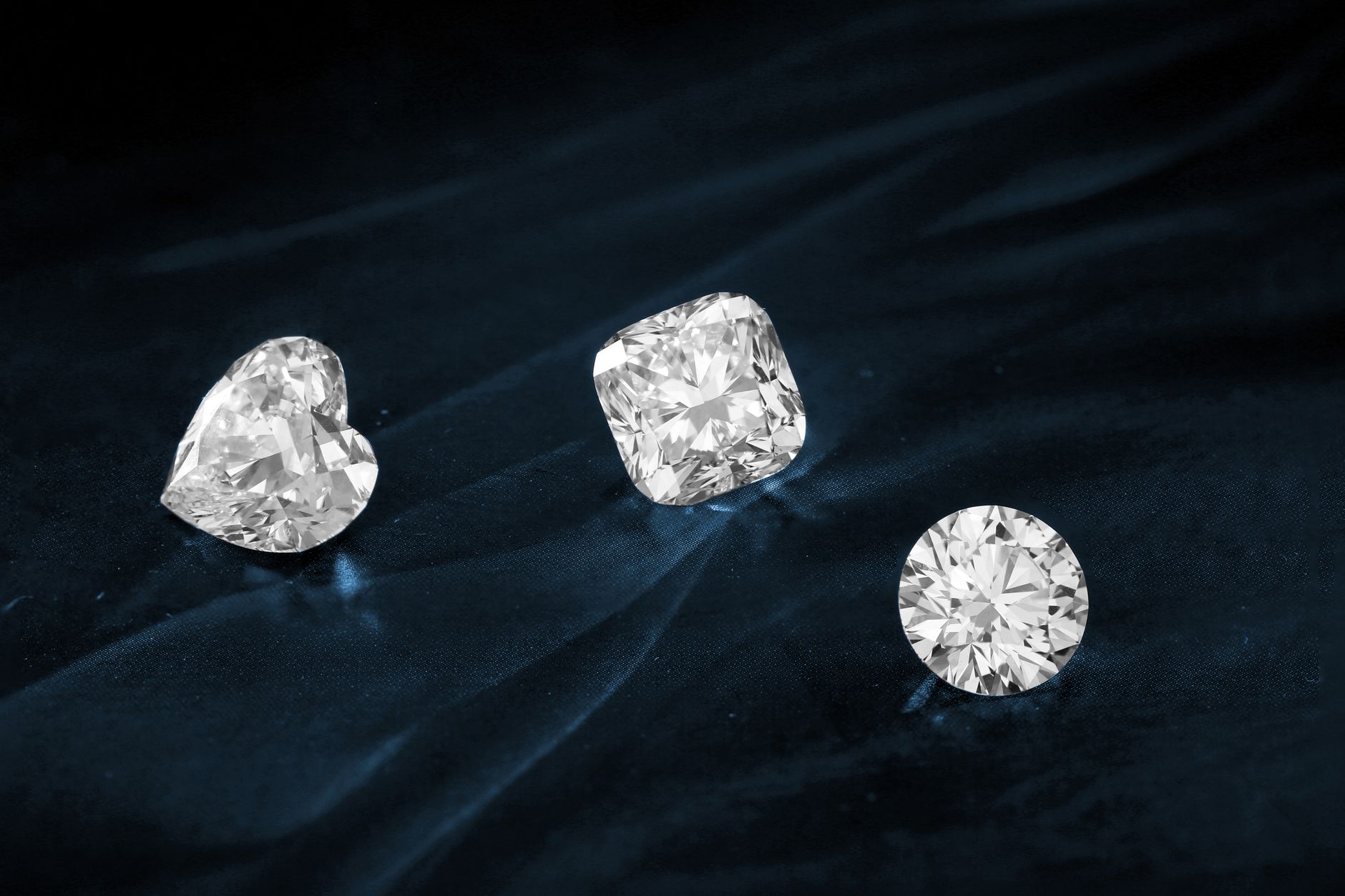
A radiant cut combines the shape of an emerald cut with the sparkle pattern of a brilliant cut. It has cropped corners and usually a rectangular or square outline. A cushion cut resembles a softened square or rectangle with rounded corners, similar to a pillow, which is where the name comes from.
The most important practical difference is that radiant cuts often have a more uniform, “crushed ice” sparkle pattern or a highly lively brilliant look, while cushion cuts can range from chunky, larger flashes of light to a softer crushed ice appearance. That variation is one reason cushion diamonds can be harder to compare online without careful review of video or certificates.
Side-by-Side Comparison: Radiant vs Cushion Cut Diamonds
| Feature | Radiant Cut | Cushion Cut |
|---|---|---|
| Overall shape | Square or rectangular with cropped corners | Square or rectangular with rounded corners |
| Sparkle style | Bright, lively, often more modern in appearance | Can range from chunky flashes to softer crushed ice sparkle |
| Face-up size | Often looks slightly larger than some other shapes of equal carat weight | Can also face up well, but proportions vary more widely |
| Clarity visibility | Good at hiding inclusions because of facet complexity | Also hides inclusions reasonably well, but depends on facet style |
| Color visibility | May show color less in some settings due to sparkle, but cut quality matters | Can show a little more warmth in some stones, especially larger ones |
| Durability | Cropped corners help reduce chipping risk | Rounded corners help with durability as well |
| Style impression | Clean, contemporary, and polished | Soft, romantic, and sometimes vintage-inspired |
| Cut consistency | Generally more predictable from stone to stone | More variation, especially in sparkle pattern |
| Buyer suitability | Good for buyers who want strong brilliance and a defined outline | Good for buyers who want softness and character |
Understanding the Shape: Radiant Cut
A radiant cut was created to combine the elegance of step-like outlines with the fire and brilliance of a round diamond. The shape is usually rectangular, though square radiant diamonds are also common. Its corners are trimmed, which not only improves durability but also gives the stone a more finished, geometric look.
Radiant cuts are known for their intense sparkle. Because of their many facets, they tend to reflect light in a busy, lively way. This can make them look very bright face-up, especially in well-cut lab grown diamonds where clarity and color can be chosen more precisely within budget.
Key Characteristics of Radiant Cuts
- Shape: Usually rectangular, sometimes square
- Corners: Cropped for durability and style
- Facet style: Brilliant-style facets designed for sparkle
- Look: Modern, sharp, and energetic
- Light performance: Often strong brilliance with a bright overall appearance
Radiant cuts are especially popular for buyers who want a diamond that looks lively from most angles. Because the facets are arranged to maximize sparkle, radiant diamonds can be forgiving when viewed in real-world settings, including engagement rings that are worn every day.
Understanding the Shape: Cushion Cut
Cushion cuts have been around for a long time, and their appeal often comes from their softer outline and romantic appearance. They are shaped like a square or rectangle with rounded corners and slightly curved sides, which creates a pillow-like profile. This shape has evolved over time, and today’s cushion cuts may look very different depending on how they are faceted.
One reason cushion cuts are so widely discussed is that they are not one single look. Some cushion diamonds have larger facets that create bold flashes of light. Others have smaller facets and a more splintery, crushed ice effect. That means buyers should look carefully at the actual stone instead of assuming all cushions will look the same.
Key Characteristics of Cushion Cuts
- Shape: Square or rectangular with soft edges
- Corners: Rounded for a gentle silhouette
- Facet style: Can vary significantly from stone to stone
- Look: Classic, soft, and romantic
- Light performance: Can be bold and chunky or delicate and diffuse depending on cut style
Cushion cuts are often chosen by buyers who like a softer, less geometric appearance. In engagement rings, they can feel timeless without looking overly formal. They also pair well with vintage-inspired settings, halo styles, and designs that emphasize warmth and personality.
Appearance and Visual Performance
Appearance is where the difference between Radiant vs Cushion Cut Diamonds becomes most noticeable. Even when two stones have the same carat weight, color grade, and clarity grade, their visual effect can be very different because of how they are cut.
Sparkle and Brilliance
Brilliance refers to the white light a diamond reflects back to the eye. Radiant cuts usually produce strong brilliance because their facet pattern is designed to return a lot of light. This gives them a lively, high-energy sparkle that many buyers find appealing in everyday lighting.
Cushion cuts can also be very bright, but their sparkle depends heavily on facet arrangement. A cushion with larger facets may show broad, noticeable flashes of light. A cushion with a crushed ice style may sparkle more diffusely, with many tiny reflections rather than bold flashes. Some buyers love that softness, while others prefer the more structured sparkle of a radiant.
Fire
Fire is the colored light you see when a diamond disperses light into flashes of rainbow color. Both radiant and cushion cuts can show fire, but the effect varies with cut quality and facet arrangement. Radiant cuts often have enough facet movement to create a lively combination of brilliance and fire, while cushion cuts can emphasize either chunky sparkle or softer light return depending on the specific stone.
If you are comparing lab grown diamonds in these shapes, it is worth looking at actual images or videos. Certificates are useful, but they do not show how the diamond will flicker in motion. Fire and sparkle are easier to judge visually than from grading information alone.
Scintillation
Scintillation describes the pattern of sparkle and contrast as the diamond moves. This is one of the reasons shape choice matters so much. Radiant cuts usually have strong scintillation because their numerous facets create a lot of visible movement. They can appear very active in sunlight, office lighting, and indoor light.
Cushion cuts can also have excellent scintillation, but the effect may be softer or more deliberate. Some cushions flash in larger chunks of light, which can create a romantic, less busy look. Others have a more fragmented sparkle pattern that resembles a crushed ice effect. That difference is not a flaw, but it does affect the overall personality of the stone.
Face-Up Size
Face-up size means how large the diamond looks when viewed from above. This matters because two diamonds with the same carat weight can look different in real life. Radiant cuts often face up a little larger than some other shapes because of their outline and depth distribution, though actual size still depends on proportions.
Cushion cuts may look slightly smaller face-up than some similarly weighted radiant stones, especially if the stone has a deeper cut. However, a well-proportioned cushion can still look substantial and elegant. Buyers comparing lab grown diamonds often appreciate this because it allows them to balance carat size against visible spread and budget.
Finger Appearance
Elongated versions of both shapes can make fingers look longer and slimmer. This is especially noticeable with rectangular radiant and cushion cuts. Square versions tend to look more centered and balanced on the hand.
Radiant cuts often create a more tailored, structured look on the finger. Cushion cuts usually soften the overall appearance of the ring. The effect is subtle, but for some buyers it strongly influences how the ring feels on the hand.
Advantages of Radiant Cut Diamonds
Radiant cuts offer several practical benefits, especially for buyers who value sparkle and a clean shape. Their facet pattern helps create a bright appearance, which can be useful if you want a diamond that stands out under different lighting conditions.
- Strong sparkle: Radiant cuts are known for lively light return.
- Modern look: The shape feels crisp and contemporary.
- Good durability: Cropped corners reduce the chance of corner damage.
- Clarity-friendly appearance: Their complex faceting can help hide small inclusions.
- Flexible styling: Works well in solitaires, halos, and side-stone settings.
Another advantage is that radiant cuts can be a smart choice for buyers who want a stone that looks active and bright without the strict symmetry requirements of some other shapes. In the lab grown market, that can open up more options at attractive price points.
Disadvantages of Radiant Cut Diamonds
Radiant cuts are not ideal for everyone. Some buyers feel that the sparkle is too busy or too modern for their taste. Others prefer the softer outline of a cushion cut or the cleaner shape of an emerald cut.
- Less soft in appearance: The geometric look may feel sharper than buyers expect.
- Can appear smaller than expected if overly deep: Proportions matter a lot.
- May show a more chaotic sparkle pattern: Especially in lower-quality cuts.
- Not as vintage-looking: Buyers seeking old-world charm may prefer cushion.
The most important drawback is that cut quality matters a great deal. A radiant that is too deep may face up smaller than it should. A poorly proportioned stone may also create dead areas or uneven light return. This is why visual review is important, especially when comparing online listings.
Advantages of Cushion Cut Diamonds
Cushion cuts have a long-standing reputation for charm and versatility. Their softened corners give them a gentler, more romantic outline, and many buyers feel this shape looks less formal than a radiant.
- Soft, elegant outline: The rounded corners create a classic look.
- Romantic style: Often favored for vintage-inspired rings.
- Good durability: Rounded corners help protect vulnerable points.
- Variety of looks: From chunky flashes to crushed ice sparkle.
- Strong setting flexibility: Works in many ring styles and metal choices.
Cushion cuts can be especially appealing to buyers who want something that feels distinctive without being too unusual. They are also often a good match for those who value a more relaxed or softer appearance on the hand.
Disadvantages of Cushion Cut Diamonds
The biggest challenge with cushion cuts is inconsistency. Because the facet styles vary so much, two cushion diamonds with the same grading report can look noticeably different. That makes evaluation more important than it is for many other shapes.
- Less predictable sparkle: Facet style can dramatically change the look.
- May appear less brilliant than a radiant: Depending on the cut style.
- Can show more color in some cases: Especially in larger stones.
- Face-up size varies widely: Depth and proportions matter a lot.
Some buyers also find that cushion cuts can look softer than expected if they are used to sharper outlines. If you prefer a strong geometric shape, a cushion may not feel as visually defined as a radiant.
Who Each Shape Is Best For
Radiant Cut Buyers
Radiant cuts are often best for buyers who want a bright, modern diamond with plenty of sparkle. They work well for people who like a crisp outline and want a shape that feels a little more energetic than a cushion.
This shape may be a strong fit if you:
- Prefer a contemporary look
- Want lots of brilliance in different lighting
- Like rectangular or square shapes with clean lines
- Want a diamond that hides small inclusions well
- Are considering a lab grown diamond and want strong visual impact for the size
Cushion Cut Buyers
Cushion cuts are often best for buyers who want a softer and more romantic outline. They can feel timeless, especially in designs that use vintage details, halos, or warm metal tones. Because cushion cuts vary so much, they also suit buyers who are willing to spend time reviewing individual stones.
This shape may be a strong fit if you:
- Prefer a softer silhouette
- Enjoy a vintage or romantic style
- Want visible flashes of light rather than a very crisp sparkle pattern
- Like the idea of a diamond with character and variation
- Are choosing a ring that emphasizes aesthetic warmth
How Radiant and Cushion Cuts Compare in Lab Grown Diamonds
Lab grown diamonds make both shapes more accessible because buyers can often choose higher color and clarity grades, or larger sizes, within a given budget. This is especially helpful when comparing Radiant vs Cushion Cut Diamonds, since both shapes can be purchased in sizes that might be much more expensive in natural diamonds.
For radiant cuts, lab grown stones are often attractive because their sparkle and brightness can make the diamond feel impressive at a given carat weight. For cushion cuts, lab grown options can allow buyers to focus more on shape preference and facet style without stretching the budget as far. In both cases, the lab grown market gives buyers more room to prioritize appearance rather than compromise heavily on size or clarity.
That said, lab grown diamonds still need careful evaluation. Certification, cut quality, and visible performance matter just as much as they do in natural diamonds. A well-cut lab grown cushion can look better than a poorly cut radiant, and the reverse can also be true.
How They Compare to Other Popular Diamond Shapes
It can help to place radiant and cushion cuts in context with other popular diamond shapes. Many buyers do not choose a stone in isolation. They compare it against oval, round, emerald, and pear shapes before making a final decision.
| Shape | How It Differs From Radiant | How It Differs From Cushion |
|---|---|---|
| Round | Round is more symmetrical and often has the most consistent brilliance | Round is more uniform; cushion is softer in outline |
| Oval | Oval is elongated and can create a longer finger look | Oval is sleeker and usually more modern in silhouette |
| Emerald | Emerald is a step cut with a hall-of-mirrors look, less sparkle but more clarity emphasis | Emerald is sharper and more architectural; cushion is softer |
| Pear | Pear has a distinct teardrop outline and asymmetrical appearance | Pear is more dramatic; cushion is more balanced |
| Princess | Princess has sharper corners and a square shape with intense brilliance | Princess is more angular; cushion has rounded edges |
Compared with round brilliant diamonds, both radiant and cushion cuts usually offer a more distinctive shape. Compared with emerald cuts, both are far more sparkly. Compared with princess cuts, radiant and cushion shapes tend to feel softer at the corners and often more wearable in everyday settings.
Important Buying Considerations
1. Cut Quality Matters More Than the Shape Name
Shape tells you the outline of the diamond, but it does not tell you how well the stone handles light. Two radiant diamonds or two cushion diamonds can look very different depending on proportions, facet arrangement, and symmetry. This is why cut quality should be treated as a key factor, not just a technical detail.
For buyers comparing diamonds online, it helps to review the actual measurements, depth, table percentage, and any available videos. A diamond with strong proportions will usually look brighter and better balanced in person.
2. Check Length-to-Width Ratio
Length-to-width ratio affects how elongated or square the diamond appears. A ratio closer to 1.00 looks square. A higher ratio creates a rectangular shape, which can make the stone look longer on the finger.
Some buyers prefer elongated radiant or cushion cuts because they create a larger-looking presence. Others prefer a square version because it feels more compact and balanced. Neither is wrong, but the ratio should match your visual preference.
3. Pay Attention to Cushion Facet Style
Not all cushion cuts sparkle the same way. Some have a more antique-style look with chunkier facets. Others have a crushed ice effect with smaller, more scattered flashes. This difference can change the entire personality of the diamond.
If you are considering a cushion cut, ask whether the stone has a chunky facet pattern or a crushed ice appearance. That detail can help you avoid surprises and makes comparing options much easier.
4. Consider the Setting
The setting can change how a diamond shape is perceived. A slim solitaire may emphasize the outline of a radiant cut. A halo setting may soften the overall appearance of either shape and make a cushion feel even more romantic.
For daily wear, both shapes benefit from protective settings that do not leave corners too exposed. In an engagement ring, this is especially important because the center stone takes repeated contact over time.
5. Think About Color and Clarity Expectations
Radiant and cushion cuts both tend to hide inclusions reasonably well because of their faceting. That said, color can still be visible in some stones, especially larger ones or stones in warmer metal settings. Buyers who want a very white look may prefer a higher color grade, especially in lab grown diamonds where that upgrade is often more manageable.
For clarity, many shoppers can be comfortable with slightly lower grades if the stone is eye-clean, meaning no inclusions are visible without magnification. Still, shape and facet style matter. A cushion with large open areas may reveal more than a highly faceted radiant.
Common Mistakes Buyers Make
- Choosing by shape name alone: Two cushions or radiants can look very different.
- Ignoring the actual proportions: Depth and table size affect visible size and light performance.
- Assuming all sparkle is the same: Radiant sparkle and cushion sparkle are not identical.
- Not checking videos: Photos can hide issues like uneven light return or a weaker visual pattern.
- Overlooking setting choice: The ring design strongly affects the finished look.
- Focusing only on carat weight: Face-up spread can matter just as much as total weight.
One of the most common mistakes is assuming a larger carat number automatically means a better visual result. In reality, a well-cut 1.50 carat cushion can look more appealing than a deep 1.80 carat cushion that carries too much weight in the pavilion. The same principle applies to radiant cuts.
Pricing Considerations
Price can vary widely within both shapes because quality, size, and certification all influence cost. In general, radiant and cushion cuts are often priced differently from round brilliant diamonds, and lab grown options can make both shapes much more accessible for many buyers.
Radiant cuts may sometimes offer strong value because they can look bright and substantial at a given carat weight. Cushion cuts may also offer value, but pricing can fluctuate more because of the wide range of facet styles and the demand for certain visual looks. Buyers should compare actual stones rather than assume one shape is always cheaper.
When comparing pricing, it is useful to think beyond the sticker price. Ask how the diamond looks in person, how much face-up spread it offers, and whether the shape aligns with the setting you want. A lower price is only helpful if the diamond also delivers the look you expect.
Durability and Daily Wear
Durability is an important topic for engagement rings, especially because the center stone is worn often. Both radiant and cushion cuts are relatively practical choices because they do not have pointed corners like marquise or princess shapes. Rounded or cropped corners generally reduce the chance of accidental chipping.
That said, setting design still matters. Even a shape with softened corners can be vulnerable if it is set too high or not protected well. For active daily wear, many buyers prefer settings that support the stone securely while still allowing enough light to enter from the sides.
If you are also thinking about long-term maintenance, it is worth reviewing basic jewelry care and how to clean a diamond ring safely. Dirt buildup can affect brilliance and make either shape look duller than it really is.
How to Decide Between Radiant and Cushion
A practical way to choose is to start with the visual effect you want first, then narrow down by budget and setting. If you want a diamond that looks bright, modern, and crisp, a radiant cut is usually the stronger match. If you want a shape that feels softer, more romantic, and slightly more classic, a cushion cut may be the better choice.
Here is a simple buyer-focused way to think about it:
- Choose radiant if sparkle and structure matter most.
- Choose cushion if softness and character matter most.
- Choose elongated versions if you want more finger coverage.
- Choose square versions if you want a more balanced and compact look.
- Choose lab grown if you want more size or quality for the budget.
If possible, compare stones side by side in the same lighting. That is the easiest way to understand which shape speaks to you. Even online, video comparison can reveal a great deal about sparkle pattern, face-up size, and overall presence.
Frequently Asked Questions
Do radiant cuts sparkle more than cushion cuts?
Often, yes, but the answer depends on the individual diamond. Radiant cuts usually have a very lively sparkle because of their facet structure. Cushion cuts can also sparkle well, but their pattern may be softer or more varied depending on how they are cut.
Which shape looks bigger, radiant or cushion?
It depends on the proportions. Radiant cuts often face up slightly larger than some cushion cuts of the same carat weight, but a well-proportioned cushion can still look impressive. Depth plays a major role in how large a diamond appears from above.
Are cushion cuts outdated?
No. Cushion cuts remain popular because their soft outline and romantic feel work well in many ring styles. They may have a more classic or vintage association, but that does not make them outdated. Many buyers prefer them specifically because they feel less trendy than some other shapes.
Are radiant cuts good for engagement rings?
Yes. Radiant cuts are a practical choice for engagement rings because they are bright, durable, and flattering in many settings. Their cropped corners help protect the shape, and their sparkle makes them visually strong in everyday wear.
Which shape is better for hiding inclusions?
Both shapes can hide inclusions fairly well because of their facet patterns. Radiant cuts are often especially good at disguising small imperfections. Cushion cuts can also do this well, but the result depends more on the exact facet style and proportions.
Do lab grown diamonds look different in radiant or cushion cuts?
The basic shape does not change because the diamond is lab grown. What lab grown diamonds do change is access to size, color, and clarity within a budget. That often gives buyers more flexibility to choose a better-looking radiant or cushion without sacrificing too much on quality.
Which shape is more timeless?
That depends on how you define timeless. Cushion cuts often feel more traditionally romantic and can suit vintage-inspired styles. Radiant cuts can also be timeless in a different way because their clean shape and strong sparkle remain popular across changing trends.
Conclusion
Radiant and cushion cuts each offer a distinct look, and the right choice depends on what you value most in a diamond. Radiant cuts tend to deliver stronger brilliance, a more modern outline, and a crisp overall appearance. Cushion cuts usually provide a softer silhouette, a romantic feel, and more variation in sparkle style.
For buyers comparing Radiant vs Cushion Cut Diamonds, the most important step is to look beyond the shape name and examine the actual stone. Proportions, facet pattern, setting style, and face-up size all influence how the diamond will look once it is worn. In the lab grown market, those details matter even more because buyers often have the flexibility to choose between several attractive options at similar price points.
If your priorities are brightness, structure, and strong everyday sparkle, radiant may be the better fit. If you prefer softness, character, and a classic romantic look, cushion may be the better choice. Either way, a thoughtful comparison will help you choose a diamond that feels comfortable, visually appealing, and well suited to the ring you want to wear long term.