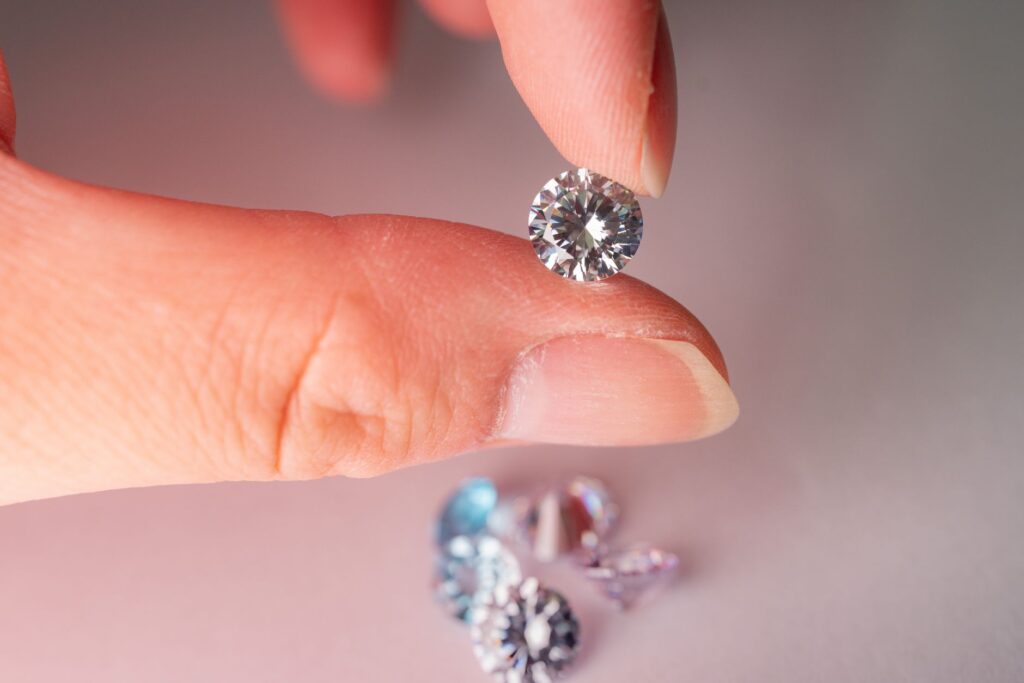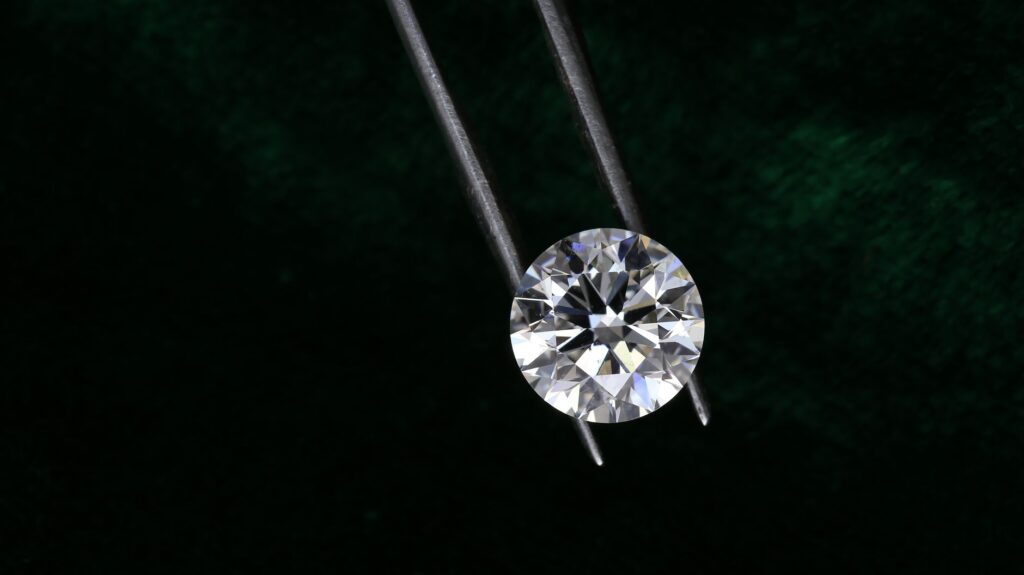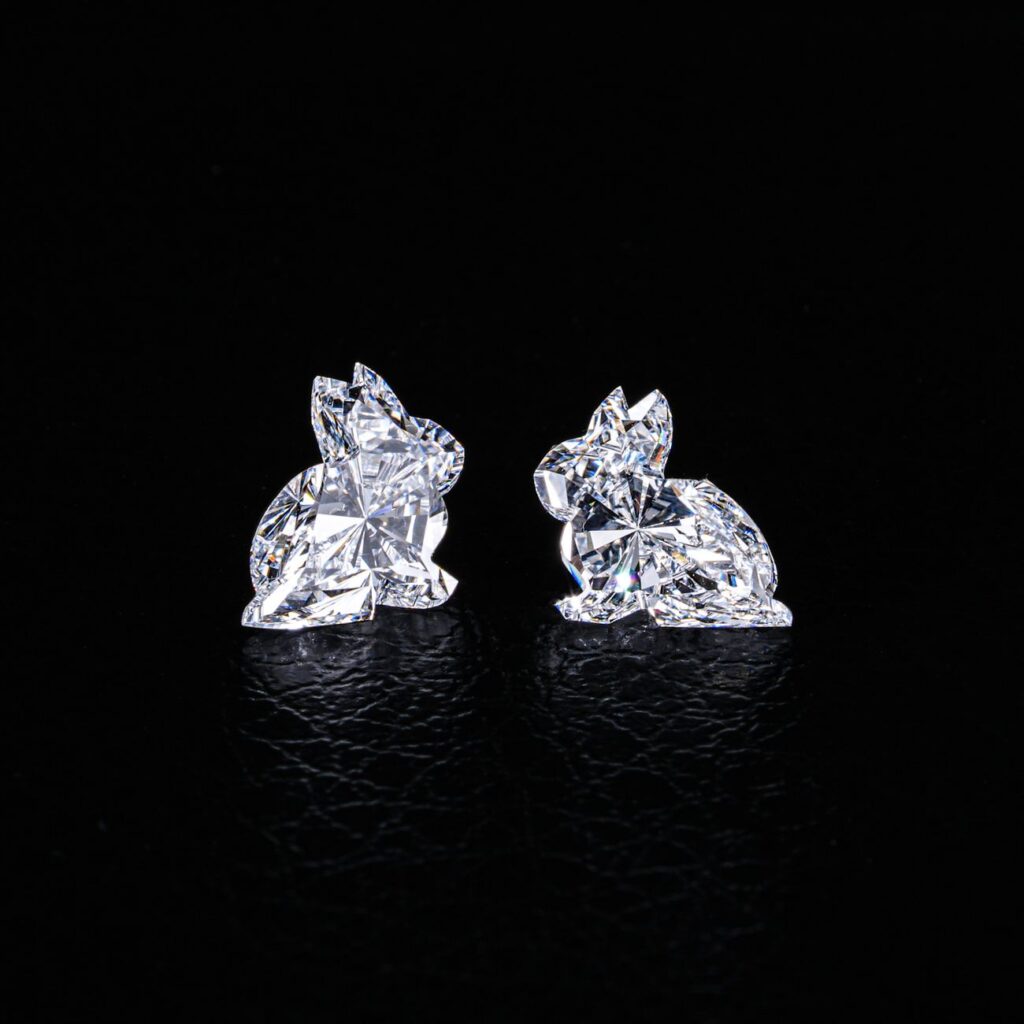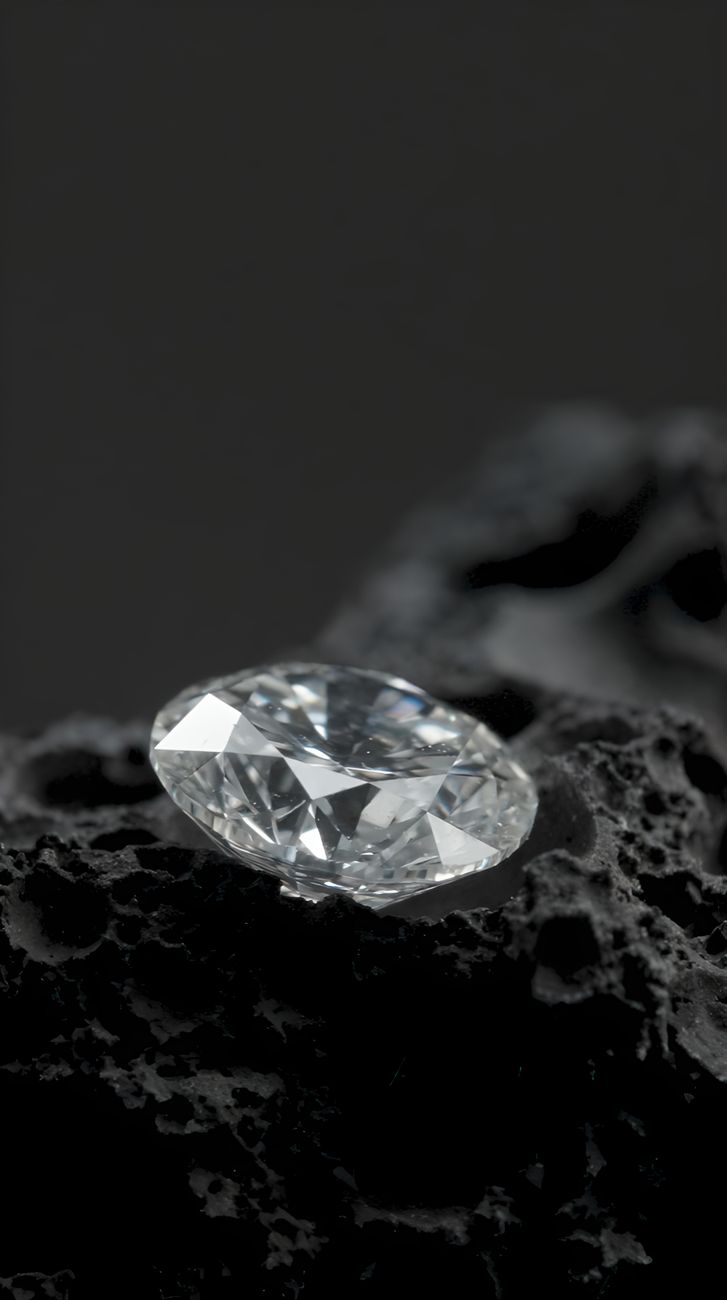
Diamond brilliance is one of the main reasons a diamond looks bright and eye-catching, yet the term is often used loosely. In simple terms, brilliance is the white light a diamond reflects back to your eye. It is a major part of a diamond’s overall sparkle, but it is not the same thing as fire, scintillation, or size.
For buyers, understanding brilliance matters because cut quality often has a bigger visual effect than carat weight alone. Two diamonds can share the same shape, color, and clarity, but the one with better cut proportions may look brighter, more lively, and more balanced in everyday wear. This is true for both natural and lab grown diamonds, since the way a diamond handles light depends on its cut, not on how it was created.
If you are comparing diamonds for an engagement ring or another piece of jewelry, learning what diamond brilliance means can help you spend more wisely. It also helps you avoid a common mistake, which is focusing too heavily on size while overlooking how the stone actually performs in real life.
Quick Answer: What Is Diamond Brilliance?
Diamond brilliance is the white light reflected back from a diamond to your eyes. It is what makes a diamond look bright, lively, and full of life under lighting. A well-cut diamond tends to show stronger brilliance because it captures light, bounces it around inside the stone, and returns more of it through the top.
Brilliance is not determined by carat weight alone. A larger diamond can look dull if it is cut poorly, while a smaller diamond can appear more impressive if it is cut for better light return. That is why experienced buyers and jewelers often treat cut quality as one of the most important parts of diamond selection.
Brilliance is only one part of a diamond’s visual performance, however. To judge a diamond properly, it helps to understand how brilliance works alongside fire, scintillation, symmetry, and polish.
What Creates Diamond Brilliance?
Diamond brilliance depends on how light moves through the stone. When light enters a diamond, some of it reflects off the internal facets and returns to the viewer. If the diamond’s angles and proportions are well balanced, more light comes back out of the top instead of leaking through the sides or bottom.
The main factors that influence brilliance include:
- Cut proportions, which affect how efficiently light is returned.
- Facet arrangement, which controls the path light takes inside the diamond.
- Polish, which influences how smoothly light can travel across the facet surfaces.
- Symmetry, which helps the facets work together consistently.
- Shape, since round brilliant diamonds are designed to maximize brightness differently than oval, princess, cushion, or emerald cuts.
In everyday language, brilliance is the bright white glow a diamond shows when it is performing well. If the diamond looks dark, glassy, or sleepy in normal lighting, it may not be returning light efficiently.
Brilliance, Fire, and Scintillation: What Is the Difference?
Buyers often hear these terms used together, but they describe different visual effects. Understanding the difference can make diamond comparison much easier.
| Term | What It Means | What Buyers Usually See |
|---|---|---|
| Brilliance | White light returned by the diamond | Brightness and overall sparkle |
| Fire | Light broken into spectral colors | Flashes of rainbow color, especially in direct light |
| Scintillation | Pattern of light and dark flashes as the diamond moves | Twinkling, contrast, and lively movement |
Brilliance is usually the first thing people notice at a glance because it creates the diamond’s bright, reflective appearance. Fire is more noticeable in certain lighting, especially sunlight or strong spot lighting. Scintillation becomes important when the stone moves, because it is the play of light and dark that gives a diamond life.
A diamond can have strong brilliance but only moderate fire, or strong fire but less overall brightness depending on shape and cut style. That is one reason why judging a diamond by one metric alone can be misleading.
How Diamond Cut Affects Brilliance
Cut quality is one of the biggest drivers of brilliance. In round brilliant diamonds, the cut determines how efficiently the diamond handles light. If the facets are placed at favorable angles, the stone reflects more light back to the viewer, making it appear brighter and more vivid.
When cut quality is poor, light can escape through the bottom or sides before it returns to your eye. This is called light leakage. A leaking diamond may look washed out, uneven, or less lively, even if it has excellent color or clarity on paper.
This is why many shoppers are surprised to learn that a diamond with a slightly smaller carat weight can look more impressive than a larger stone if the smaller one is better cut. In real-world viewing, brightness often matters more than size alone.
What Buyers Actually Notice
Most shoppers do not evaluate light performance with gemological tools. They notice it visually in store lighting, at home, in daylight, and under mixed indoor conditions. A well-cut diamond usually looks bright from multiple angles and keeps its sparkle as the hand moves.
By contrast, a poorly cut diamond may show dead areas, dark zones, or a flat appearance from normal viewing distance. These differences are often noticeable without special equipment, especially when comparing diamonds side by side.
Why Diamond Brilliance Matters to Buyers
Brilliance matters because it affects how attractive the diamond appears in everyday life. A diamond is not usually viewed under perfect laboratory conditions. It is seen in offices, restaurants, cars, homes, and outdoors, where lighting can change quickly.
A diamond with good brilliance tends to look more attractive in those situations because it returns light consistently. That can make the stone appear brighter, cleaner, and more eye-catching. For many buyers, this is the quality that makes a diamond feel lively rather than lifeless.
Brilliance also has a practical value component. Since cut quality can change how large or small a diamond appears face-up, a well-cut diamond can give a better visual result for the money. This is especially important for shoppers balancing budget, size, and beauty.
How Brilliance Shows Up in Real Life
Brilliance is not a fixed, one-dimensional trait. It changes depending on lighting, shape, viewing angle, and even the setting style. A diamond may look extremely bright under jewelry store lights and somewhat softer in diffuse daylight, but a well-cut stone should still look lively in both.
In Store Lighting
Jewelry stores often use bright spotlights, which can make many diamonds look impressive. However, this environment can hide differences in performance because even average stones may sparkle strongly under intense light. It is useful for shoppers to remember that store lighting can flatter almost any diamond.
In Daylight
Daylight is often more revealing. This is where cut quality becomes easier to judge because natural light shows whether the diamond returns light efficiently or looks flat. A diamond with strong brilliance should still look bright and attractive in daylight, not only under display lights.
In Everyday Indoor Lighting
Most people wear diamond jewelry indoors, where light sources vary and may be less intense than in a store. A well-cut diamond should still show enough brightness to stand out. This is one reason cut matters so much for engagement rings and daily-wear pieces.
What Is Diamond Light Performance?
Light performance is the broader idea behind brilliance. It describes how a diamond handles incoming light and whether it reflects that light back in a visually pleasing way. Brilliance is part of light performance, but so are fire, contrast, and the pattern of reflections.
When gemologists or informed buyers talk about light performance, they are usually asking a practical question: does this diamond look lively, bright, and balanced in real life? That question is often more useful than asking whether the stone simply has a high cut grade on paper.
In the case of round brilliant diamonds, light performance is closely tied to the traditional cut grading system. For fancy shapes such as oval, pear, marquise, cushion, or emerald, light performance can still be excellent, but the evaluation is less standardized and often requires more visual comparison.
Cut Grade, Symmetry, and Polish: How They Relate to Brilliance
Many shoppers confuse brilliance with the official cut grade, but they are not identical. Cut grade is a broader assessment that often includes proportions, symmetry, polish, and how the diamond handles light overall. Brilliance is one visible result of good cut quality.
Cut Grade
Cut grade is the grading category that summarizes how well a diamond has been shaped and faceted. For round brilliant diamonds, grading systems such as Excellent, Very Good, Good, Fair, and Poor help buyers compare light performance and face-up appearance. An Excellent cut does not guarantee perfection, but it usually offers stronger brilliance than lower grades.
What buyers see is straightforward. Better cut grades typically produce brighter, more attractive stones, while lower grades may look less lively. Whether the difference is dramatic depends on the specific diamond and what it is being compared against.
Symmetry
Symmetry refers to how precisely the facets align with each other. Good symmetry helps the stone reflect light in a balanced, orderly way. Poor symmetry can create uneven patterns, weaker sparkle, or visual irregularities that some buyers notice immediately.
For most shoppers, the practical question is whether the diamond looks balanced and appealing face-up. Minor symmetry differences are not always obvious to the naked eye, but stronger symmetry generally supports better visual performance.
Polish
Polish describes how smooth the facet surfaces are after finishing. A well-polished diamond reflects light more cleanly because the surfaces are less likely to scatter it. Very small polish differences are often subtle, but they can still contribute to the overall crispness of sparkle.
In everyday viewing, polish matters most as part of the whole package. It is usually less noticeable than cut proportions, but in a well-cut diamond, good polish helps reinforce a sharp, bright appearance.
How Brilliance Affects Different Diamond Shapes
Round brilliant diamonds are designed specifically to maximize brilliance, which is why they usually outperform other shapes in overall brightness. Still, every shape has its own visual style, and not all buyers want the same type of sparkle.
| Shape | Typical Brilliance Profile | Buyer Consideration |
|---|---|---|
| Round brilliant | Usually highest brightness and balanced sparkle | Best choice for shoppers prioritizing maximum light return |
| Oval | Strong brilliance, often elongated appearance | Can show a bow-tie area if cut poorly |
| Princess | Bright and modern, with sharp sparkle | Cut quality varies widely, so visual comparison matters |
| Cushion | Often softer, chunkier sparkle | Style preferences matter as much as raw brightness |
| Emerald | Less brilliance, more clarity and hall-of-mirrors effect | Chosen more for elegance than maximum sparkle |
If brilliance is your top priority, round brilliant shapes are usually the easiest path. If you prefer a different silhouette, you may accept slightly different light behavior in exchange for shape or style.
What Is Diamond Brilliance in Lab Grown Diamonds?
Lab grown diamonds show brilliance in the same way natural diamonds do, because they have the same crystal structure and optical properties. The key difference is not how they reflect light, but how they are produced. Once a lab grown diamond is cut and polished, its brilliance depends on the same physical principles as a mined diamond.
This means buyers should evaluate lab grown diamonds using the same cut-quality standards they would apply to natural diamonds. A lab grown diamond can be extremely bright and lively if cut well. It can also look underwhelming if the proportions are weak.
For shoppers comparing lab grown diamonds and natural diamonds, brilliance is not usually the deciding difference. Cut quality, certification, and the buyer’s budget matter more in the visual result. Since lab grown diamonds often offer larger sizes for the price, some buyers may be tempted to prioritize carat weight, but that should not come at the expense of cut performance.
How Brilliance Affects Value
Brilliance affects value because it influences how attractive the diamond looks for the money spent. In many cases, a well-cut diamond offers better visual value than a larger stone with weaker cut quality. Buyers often notice the better diamond immediately, even if the larger stone sounds more impressive on paper.
There is a point where paying more for a premium cut makes sense. If you care about how the diamond looks in normal wear, it can be worth investing in stronger light performance. This is especially true for engagement rings, where the stone is viewed often and from many angles.
However, there are limits. Once a diamond is already performing very well, further improvements may become harder to notice and more expensive. That is where diminishing returns begin.
When Paying More Makes Sense
- When the diamond will be worn daily and seen often.
- When you want the best face-up beauty for a given size.
- When comparing two diamonds with similar price and size, but different cut quality.
- When buying a round brilliant and cut quality is a top priority.
When the Premium May Be Less Important
- When the diamond is already performing very well and differences are subtle.
- When budget limits make size, setting, or color more important to the buyer.
- When choosing a fancy shape where the ideal cut is less standardized.
In other words, brilliance is one of the places where smart spending can make a visible difference, but not every upgrade produces an equally noticeable improvement.
Practical Examples Buyers Can Relate To
Real-world examples are often more useful than abstract definitions. The following scenarios show how brilliance can affect a diamond’s appearance in actual shopping situations.
A Well-Cut 1.5-Carat Diamond Versus a Poorly Cut 2-Carat Diamond
A 2-carat diamond sounds larger, but if it is cut too deep or too shallow, it may lose brightness and face-up spread. The 1.5-carat diamond with better cut quality can look livelier, brighter, and sometimes even larger to the eye because more of its surface area is visible from above.
Many buyers are surprised by this. A diamond that reflects light well can feel more impressive than one that simply weighs more.
Excellent Cut Versus Very Good Cut in Everyday Lighting
In many cases, the difference between Excellent and Very Good cut is subtle but real. Both can look attractive, especially in good lighting. The Excellent cut may have slightly stronger brightness, better symmetry of sparkle, or a more balanced face-up appearance.
Whether the difference is worth paying for depends on the specific stones. If the price gap is small, many buyers prefer the more precise performance. If the difference is large and the Very Good diamond still looks lively, the extra money may not be justified.
Higher Clarity with Poor Cut Versus Lower Clarity with Excellent Cut
Shoppers sometimes overvalue clarity because it sounds technical and important. In reality, a diamond with higher clarity but weak brilliance may look less attractive than a lower-clarity stone with excellent cut. If inclusions are not visible to the naked eye, the better-cut diamond is often the more satisfying choice visually.
This is one of the most common lessons experienced buyers learn. Beauty is what you see, not just what appears on a grading report.
What Diminishes Diamond Brilliance?
Several things can reduce brilliance. Some are related to cut, while others are related to shape or finishing details. Understanding these issues can help buyers avoid disappointments.
Light Leakage
Light leakage occurs when light passes through the diamond instead of reflecting back to the viewer. This usually makes the stone appear darker or less lively. Excessive leakage can be visible in the center, around the edges, or in specific zones depending on the shape and cut style.
Buyers do not need to learn the technical geometry to benefit from this concept. The simple takeaway is that a diamond that leaks too much light often looks weaker in person.
Poor Proportions
If a diamond is too deep, too shallow, or otherwise poorly proportioned, brilliance can suffer. The stone may return less light or create uneven brightness. Some diamonds also hide weight below the girdle, which can make them face up smaller than expected for their carat weight.
This is another reason why carat alone is not enough. Two diamonds with the same weight can look very different.
Weak Symmetry or Polish
Poor symmetry and rough polish can interfere with the crispness of sparkle. These issues are not always obvious from a distance, but they can affect the overall impression of quality. A diamond may still sparkle, but it may not look as refined or precise as a better-finished stone.
How to Judge Brilliance as a Buyer
You do not need gemological training to compare diamond brilliance effectively. A practical approach is often the best one.
- Compare diamonds side by side in the same lighting if possible.
- Look for brightness from the top, not just flashes from the sides.
- Observe the diamond in movement to see how scintillation and brilliance work together.
- Check the diamond in different lighting, including indoor light and daylight.
- Use the grading report as a guide, but do not rely on it alone.
For round diamonds, a strong cut grade is often a good starting point. For fancy shapes, a visual review becomes even more important because cut quality can vary more widely in terms of how the diamond handles light.
Buying Considerations for Lab Grown Diamond Shoppers
Lab grown diamond buyers often focus on value, size, and budget efficiency, which makes cut quality especially important. Because lab grown diamonds can offer a lower price per carat, it is tempting to buy a larger stone and stop there. But if brilliance is weak, the stone may not deliver the attractive appearance shoppers expect.
When evaluating lab grown diamonds, buyers should still pay attention to:
- Cut grade and proportions
- Shape and how well it is executed
- Color, since brightness can make color more or less noticeable
- Clarity, although many inclusions are less visible in well-cut stones
- Certification from a respected grading laboratory
Because lab grown diamonds can be purchased in larger sizes for the same budget, cut becomes a powerful tool for protecting visual quality. A well-cut lab grown diamond often delivers the strongest overall result, especially for buyers who want noticeable sparkle without paying for unnecessary weight.
Advantages of Strong Diamond Brilliance
Good brilliance offers several clear benefits for everyday buyers.
- Better visual impact in normal lighting.
- More attractive face-up appearance, often making the stone feel brighter and more lively.
- Better value perception, since the diamond can look more impressive relative to its size.
- More forgiving appearance in mixed lighting conditions.
- Stronger overall sparkle when paired with good scintillation and symmetry.
For many buyers, these advantages matter more than a small increase in carat weight or a technical improvement that only experts would notice.
Disadvantages and Limitations to Keep in Mind
Brilliance is important, but it is not the only criterion, and not every buyer should chase maximum brightness at all costs.
- Brilliance varies by shape, so some designs naturally look different from round brilliant diamonds.
- Store lighting can be misleading, making even average diamonds look better than they do in daily wear.
- Higher cut quality may cost more, which can affect the budget for size or setting.
- Some buyers prefer other visual styles, such as the broad flashes of a cushion or the elegant look of an emerald cut.
It is also worth noting that brilliance can be overemphasized in some sales settings. A diamond that is extremely bright is not automatically the best diamond for every shopper. The right choice depends on style preference, budget, and how the stone looks under ordinary conditions.
Common Buyer Mistakes Related to Diamond Brilliance
Several recurring mistakes can lead buyers to choose a diamond that looks less impressive than expected.
Prioritizing Carat Over Cut
Size is easy to understand, so many shoppers lead with carat weight. But a larger diamond with weak brilliance may look dull compared with a smaller, well-cut stone. Since brilliance affects how much light a diamond returns, cut can strongly influence perceived beauty.
Assuming All Diamonds Sparkle the Same Way
This is not true. Different shapes, proportions, and cut grades produce different kinds of sparkle. Some stones look bright and balanced, while others can appear flat or uneven.
Overpaying for Clarity That Is Not Visible
Clarity matters, but many inclusions are hard to see without magnification. A diamond with better brilliance and slightly lower clarity may be more satisfying in real life than a higher-clarity stone that does not perform as well visually.
Ignoring the Grading Report Beyond the Headline Grade
Buyers sometimes stop at the top-line cut grade without checking shape, proportions, or visual performance. The report is useful, but it does not replace seeing the stone or reviewing images and measurements carefully.
Judging Only Under Flashy Lighting
Diamonds can look impressive under spotlights even when their real-world performance is average. Always try to understand how the diamond looks in softer light, because that is where differences in brilliance become more meaningful.
What Experienced Buyers and Jewelers Often Look For
Experienced diamond shoppers and jewelers often focus less on isolated statistics and more on whether the stone has a bright, balanced look. They pay attention to the relationship between brightness, contrast, and movement. If those elements work well together, the diamond usually feels more alive.
Many also know that a well-cut diamond can outperform a bigger one in everyday wear. This does not mean size is unimportant. It means size should be balanced with cut quality rather than chosen in isolation.
In practical terms, a buyer may not remember the exact table percentage or depth percentage, but they will remember whether the diamond looked clean, bright, and attractive on the hand. That is the real-world test that matters most.
Frequently Asked Questions About Diamond Brilliance
Is diamond brilliance the same as sparkle?
Not exactly. Sparkle is a broad, everyday word that usually includes brilliance, fire, and scintillation. Brilliance refers specifically to the white light returned by the diamond.
Do lab grown diamonds have less brilliance than natural diamonds?
No. Lab grown diamonds can have the same brilliance as natural diamonds because they share the same physical and optical properties. The cut quality of the individual stone is what matters most.
Which diamond shape has the most brilliance?
Round brilliant diamonds usually have the strongest overall brilliance because they are engineered for light return. Other shapes can still be beautiful, but they may show different sparkle patterns.
Can a diamond be too brilliant?
In practical buying terms, this is uncommon. Some people may prefer more fire, broader flashes, or a different visual style, but strong brilliance itself is generally considered a positive trait.
Does a higher cut grade always mean better brilliance?
Usually it means better potential, but not every diamond with a higher grade will look identical. Grading systems are useful, yet the individual stone and its actual face-up appearance still matter.
How can I tell if a diamond has good brilliance without tools?
Look for a bright, even appearance from the top of the stone in different lighting conditions. A diamond with good brilliance should look lively and reflective rather than dull or dark.
Is brilliance more important than clarity?
For most buyers, yes. If clarity differences are not visible to the naked eye, brilliance and cut quality often have a bigger effect on how attractive the diamond looks.
Should I always choose the brightest diamond I can find?
Not necessarily. Brightness is important, but the best choice also depends on shape, budget, and personal style. Some buyers prefer a softer or more distinctive appearance rather than maximum brightness.
Conclusion
Diamond brilliance is the white light a diamond returns to your eye, and it is one of the most important factors in how lively and attractive the stone looks. It is closely tied to cut quality, proportions, symmetry, and polish, and it often has more visual impact than size alone.
For buyers, the practical lesson is simple. If you want a diamond that looks bright and appealing in real life, cut quality deserves serious attention. This is true for both natural and lab grown diamonds, and it becomes even more important when you are trying to balance beauty with budget.
When comparing stones, focus on how they actually look in everyday lighting, not just on paper. A diamond with strong brilliance can often deliver a more satisfying result than a larger stone with weaker light performance, which is why understanding what diamond brilliance means can help you make a better buying decision.