For buyers who are trying to maximize how clean a diamond looks to the eye, shape matters more than many people realize. Certain diamond shapes naturally hide inclusions better because of the way their facets, sparkle pattern, and surface geometry work together. If you are comparing engagement ring options or shopping for a lab grown diamond, understanding this can help you choose a stone that looks cleaner without always paying for the highest clarity grade.
The short answer is that oval, cushion, radiant, round brilliant, and princess cuts are usually the best at masking inclusions, with the exact result depending on the size, location, and type of inclusion. Shapes with more sparkle or more complex facet patterns tend to break up reflections and make small imperfections less noticeable. Step-cut shapes like emerald and asscher do the opposite, which is why inclusions are often easier to see in them.
This does not mean one shape is automatically better than another. It means different shapes create different visual outcomes, and the best choice depends on what you value most: maximum brilliance, a larger-looking face-up appearance, a vintage look, or the best clarity performance for your budget. That is especially relevant in the lab grown diamond market, where buyers often want to balance size, quality, and price.
Quick Answer: Which Diamond Shape Hides Inclusions Best?
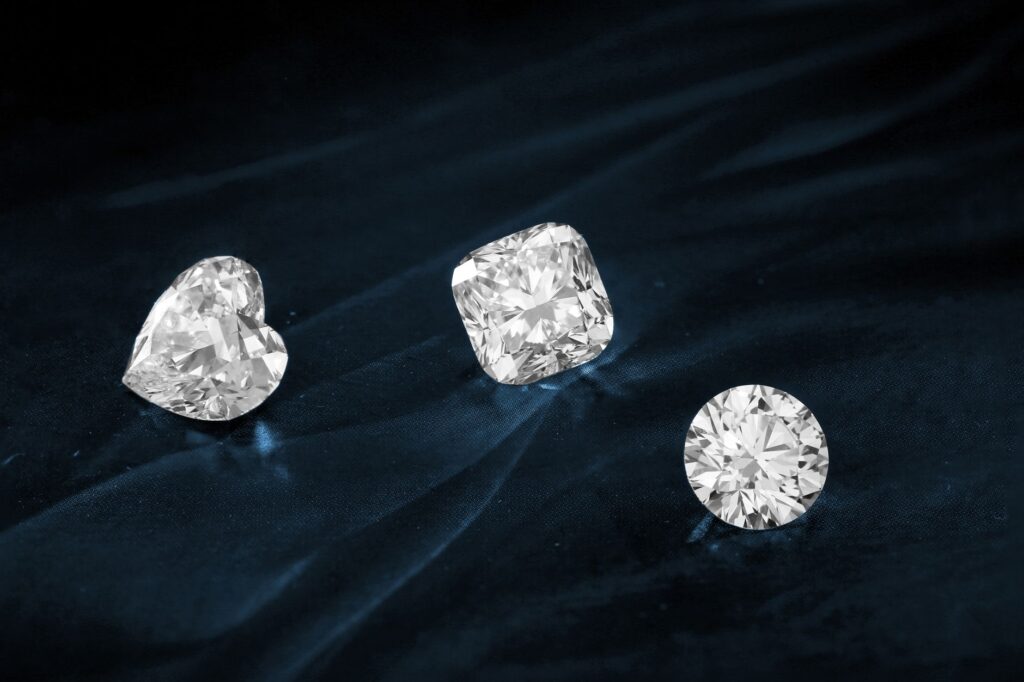
If you want the simplest answer, round brilliant diamonds usually hide inclusions best overall, followed closely by oval, cushion, radiant, and princess cuts. These shapes have strong sparkle patterns that help blend minor clarity characteristics into the stone’s overall visual pattern.
Radiant cuts are especially good at concealing inclusions because they combine a rectangular outline with brilliant-style faceting. Oval and cushion cuts also do a strong job, particularly when the inclusion is near the edge rather than near the center. By contrast, emerald and asscher cuts tend to show inclusions more easily because their large open facets act like windows into the stone.
For most buyers, the practical takeaway is simple. If you are trying to maximize appearance while being flexible on clarity grade, a brilliant-cut shape will usually give you more room to save money. If you prefer a step-cut shape, you generally need to place more emphasis on clarity.
Why Some Diamond Shapes Hide Inclusions Better Than Others
Inclusions are internal characteristics inside a diamond, such as crystals, clouds, feathers, or small growth features. They can affect appearance, but not all inclusions are equally visible. Whether you can see them depends on the diamond’s shape, faceting style, size, color contrast, and where the inclusion sits inside the stone.
Some shapes are built to create lots of sparkle. That sparkle helps distract the eye from tiny imperfections. Other shapes have broad, open facets that reflect light in larger, cleaner-looking planes. Those shapes can be beautiful, but they are less forgiving when it comes to visible clarity marks.
Three major factors influence how well a shape hides inclusions:
- Facet pattern, meaning how many reflective surfaces the diamond has and how they are arranged.
- Light return, which is the way a diamond reflects light back to the eye.
- Face-up openness, which describes how much of the diamond is seen through clear, uninterrupted windows.
In general, the more a shape breaks up light into small flashes, the less noticeable inclusions become. The more open and linear the facet pattern, the easier it is for the eye to spot imperfections.
Shape-by-Shape Comparison: Clarity Visibility
The table below gives a practical overview of how common diamond shapes compare when the goal is to hide inclusions.
| Diamond Shape | Ability to Hide Inclusions | Why It Performs This Way | Clarity Buying Notes |
|---|---|---|---|
| Round Brilliant | Excellent | High sparkle and balanced facet pattern break up visibility | Often safe in VS1 to SI1 depending on inclusion type and placement |
| Radiant | Excellent | Brilliant-style facets create strong light return and visual masking | Very forgiving, especially for buyers seeking a larger look |
| Oval | Very good | Brilliance helps hide many inclusions, but center placement can still matter | Check the center and avoid obvious dark inclusions in the middle |
| Cushion | Very good | Mixed facet patterns and softer outlines help disguise minor flaws | Can be forgiving, though performance varies by cut style |
| Princess | Very good | Sharp brilliance and square shape can mask small inclusions well | Corner durability and inclusion placement both matter |
| Pear | Good | Brilliance helps, but the pointed end can draw attention if flaws are nearby | Inspect the tip and center carefully |
| Marquise | Good | Can hide some inclusions with sparkle, but elongated shape makes center visibility important | Look closely at the middle and bow tie area |
| Emerald | Poor to fair | Large step facets act like windows and reveal internal characteristics more easily | Usually benefits from higher clarity grades |
| Asscher | Poor to fair | Step-cut structure and open pattern make clarity easier to see | Clarity is important because imperfections are less hidden |
Understanding the Main Diamond Shapes and Their Clarity Performance
Round Brilliant
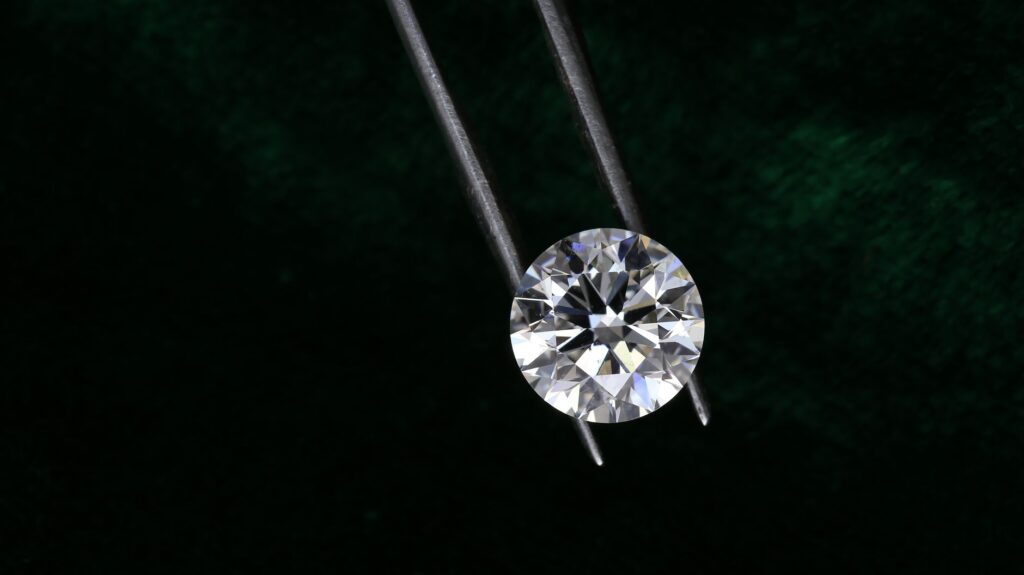
The round brilliant is usually the best all-around shape for hiding inclusions. It has a highly engineered facet arrangement designed to maximize brightness, fire, and sparkle. That sparkle creates a busy visual pattern, which makes small clarity features less noticeable to the naked eye.
This is one reason round brilliants are the safest choice if you want the widest range of clarity grades to work well visually. Many buyers can choose a better color grade or a larger carat size by accepting a slightly lower clarity grade in a round brilliant without seeing an obvious difference.
Round brilliants are also versatile in engagement ring settings, which means the shape is less likely to be the main visual issue. In practice, a round stone with a minor inclusion off to the side can still look very clean once mounted.
Radiant
Radiant cuts are among the strongest shapes for concealing inclusions. They use a brilliant-style facet arrangement with a rectangular or square outline, so they combine the sparkle of a round with the shape variety of a fancy cut. That makes them especially attractive to buyers who want a larger-looking diamond that still handles clarity well.
Radiants are often a smart choice in lab grown diamonds because buyers frequently prioritize size and brightness. When the cut is well executed, the visual pattern can mask many small inclusions, especially those near the edges.
If you compare a radiant with an emerald cut of similar clarity, the radiant will usually appear cleaner to the eye. This is not because the stone has fewer inclusions, but because its faceting is better at hiding them.
Oval
Ovals also do a good job hiding inclusions, but they require a little more attention than round brilliants or radiants. Their elongated shape helps spread sparkle across a larger surface area, which can make minor imperfections less noticeable. However, a dark inclusion near the center can still stand out if the stone has a bright, open middle.
Ovals are popular because they can look larger than round diamonds of the same carat weight. For buyers trying to stretch budget, that bigger visual spread can be appealing. The trade-off is that the elongated outline sometimes makes the center of the stone more important from a clarity standpoint.
Another factor to watch is the bow tie effect, a dark shadow across the center of some elongated shapes. The bow tie is not the same as an inclusion, but both can affect how clean a diamond looks. A strong bow tie can draw the eye to the middle, which may make inclusions more noticeable.
Cushion
Cushion cuts are generally forgiving when it comes to inclusions, though performance depends on the exact faceting style. Some cushions have a more modern brilliant-style pattern, while others have larger, softer facets. The brilliant-style versions are typically better at masking clarity features.
Cushions often have a soft, romantic look that many buyers associate with vintage style. Because the shape does not have hard edges or broad open windows like an emerald cut, minor inclusions are often less obvious. That makes cushions a practical option for shoppers who want charm and good clarity performance in one diamond.
Princess
Princess cuts can hide inclusions quite well, especially small ones that are not near the corners. Their sharp, faceted look creates active sparkle that helps cover minor clarity issues. This makes princess cuts a common choice for buyers who want strong brilliance in a square shape.
One thing to keep in mind is that princess cuts have corners that are more vulnerable to chipping than rounded shapes. That does not affect inclusion visibility directly, but it matters when evaluating the overall practicality of the shape. If a princess cut has an inclusion near a corner, it may require more careful review.
Pear, Marquise, and Other Elongated Fancy Shapes
Pear and marquise shapes can hide some inclusions fairly well because they are brilliant-style fancy cuts. But their long outlines and pointed ends make certain areas more noticeable. A dark inclusion near the center, or one near the tip, may stand out more than it would in a round or cushion diamond.
These shapes can also show bow tie effects more clearly than round brilliants. That does not make them poor choices. It just means buyers should inspect them carefully, especially when shopping online from images or videos. If you are reading a diamond grading report, you should also look at the inclusion plot and the diamond’s proportions.
Emerald and Asscher
Emerald and asscher cuts are the shapes least likely to hide inclusions. Both are step cuts, which means they use long, open facets arranged in layers. Instead of scattering light into many tiny flashes, step cuts create broad reflective planes that behave more like mirrors.
This style is elegant and highly distinctive, but it also makes clarity characteristics easier to see. A small crystal or feather that might disappear in a round brilliant can be visible in an emerald cut because the stone is less visually busy. That is why many buyers prioritize higher clarity grades in step-cut diamonds.
For shoppers who love a clean, architectural look, this trade-off is worth it. But if hiding inclusions is your top priority, emerald and asscher cuts are usually not the first shapes to choose.
Why Sparkle Pattern Matters So Much
When people ask which diamond shape hides inclusions best, what they are really asking is how the eye perceives imperfections. The answer depends heavily on sparkle. A diamond with lots of small flashes can draw attention away from minor internal marks, while a diamond with larger open facets can expose them.
This is why brilliant cuts tend to perform so well. Their light return is more dynamic and fragmented, which keeps the viewer focused on sparkle rather than on internal details. By contrast, step cuts emphasize transparency and structure, which makes them less forgiving.
Color contrast matters too. A dark inclusion is generally easier to see than a white or transparent one. In a shape with strong brilliance, even a darker inclusion may be broken up by reflections. In a step cut, the same inclusion may stand out clearly.
Inclusions Are Not All the Same
Not every inclusion affects appearance in the same way. Two diamonds with the same clarity grade can look different depending on the type, size, and location of the imperfection. That is why shape alone does not determine whether a diamond will look clean.
Some inclusions are easier to hide than others:
- Crystal inclusions may be visible if they are dark or centrally located.
- Feathers are internal fractures that can be subtle or noticeable depending on size and location.
- Clouds are small groups of tiny inclusions that may slightly affect transparency if dense enough.
- Needles are thin, elongated inclusions that are often harder to see unless they are clustered.
- Pinpoints are very small marks that are often invisible to the naked eye, especially in brilliant shapes.
A round brilliant with a tiny white pinpoint near the edge may look cleaner than an emerald cut with a larger internal crystal in the center. This is why buyers should always evaluate both the shape and the clarity plot, not just the grading label.
Face-Up Size and How It Affects Inclusion Visibility
Face-up size refers to how large a diamond appears from the top view. Some shapes, like ovals and marquises, can face up larger than their carat weight suggests. Others, like princess cuts, may carry more weight in the depth of the stone and not look as large face-up.
Why does this matter for clarity? A larger surface area can make the center of the diamond more important visually. If the stone spreads out over a wider face-up area, your eye has more room to inspect it. In some shapes, that can make a centrally located inclusion more noticeable.
That said, larger face-up size can also work in your favor if the faceting is strong enough to keep sparkle lively. This is why ovals and radiants often balance size and masking ability well. They give you a generous look while still hiding many small flaws.
Color Visibility and Clarity Visibility Often Work Together
Although this article focuses on clarity, color and clarity are connected in practice. A diamond with a warm color tone can sometimes make small inclusions less obvious, but it can also change how you perceive the stone overall. In higher color grades, inclusions may stand out a little more because the diamond looks cleaner and brighter.
In lab grown diamonds, many buyers choose excellent color grades because the price difference can be manageable. That can be a good strategy, but it also means clarity becomes more important if you want the stone to look visually clean. In other words, the better the color, the more you may notice the clarity if the shape is less forgiving.
If you are comparing options, it is worth reviewing related topics like diamond color and diamond clarity together rather than separately. In a real diamond purchase, these qualities influence one another.
Lab Grown Diamonds and Shape Choice
Lab grown diamonds make this topic especially relevant because buyers often get more carat weight for the same budget. That means the shape you choose can have a noticeable effect on how visible inclusions are. A larger lab grown diamond with a forgiving shape may look very clean at a lower clarity grade, while a step cut of the same size may require more scrutiny.
Since lab grown diamonds are typically priced lower than natural diamonds, many shoppers use the savings to prioritize shape, size, or cut quality. That can be a sensible strategy, but it does not remove the need to evaluate clarity carefully. Larger stones can still reveal inclusions if the shape is less forgiving or the inclusion is centrally located.
If you are comparing options, it helps to think in terms of visual performance rather than grading labels alone. The same clarity grade can look different in a round brilliant versus an emerald cut. This is true for both natural and lab grown diamonds.
Advantages of Shapes That Hide Inclusions Well
Buying a shape that hides inclusions effectively offers several practical benefits. The biggest advantage is flexibility. You can often choose a slightly lower clarity grade without the diamond looking visibly flawed to the naked eye.
That flexibility can help in a few ways:
- You may be able to focus more of your budget on cut quality or carat size.
- You may find a diamond that appears cleaner than its grading report suggests.
- You may have more options available when shopping within a price range.
For buyers researching diamond pricing, this matters because clarity is one of the four major factors affecting cost. If the shape already masks inclusions well, you may not need to pay for a top-tier clarity grade unless you want the peace of mind that comes with it.
Disadvantages and Trade-Offs
There are also limitations. A shape that hides inclusions well does not automatically look better in every way. Some brilliant shapes can sacrifice the broad, elegant look that step cuts are known for. Others can show more bow tie, or they may not reflect light as evenly if the proportions are poor.
Another trade-off is that a buyer can become too focused on shape and ignore the actual location of the inclusion. Even a forgiving shape can reveal a dark inclusion if it sits in the middle and the stone has a quiet area of light return. In other words, shape helps, but it does not override everything else.
Finally, some buyers prefer the transparency and structure of step cuts specifically because they do not hide much. For those shoppers, visibility of the stone’s interior is part of the appeal. So the best shape depends on your priorities, not just on which one conceals imperfections most effectively.
Who Should Choose a Shape That Hides Inclusions Best?
A forgiving shape is a good fit for buyers who want a diamond that appears clean without needing the highest clarity grade. This is especially useful if you are balancing budget and size, or if you want the best visual impact for a given price. It is also helpful for buyers shopping online, where they cannot inspect every stone in person.
You may benefit from a more forgiving shape if you:
- want a larger-looking diamond
- prefer strong sparkle over architectural facet patterns
- are considering a lab grown diamond and want to maximize carat size
- do not want to pay extra for a very high clarity grade
- prefer a shape that tends to look lively in everyday wear
By contrast, if you love step cuts, antique styles, or a glassy, elegant look, you may be comfortable paying more attention to clarity. There is no wrong answer. The important thing is matching the shape to the buyer’s visual priorities.
How Different Shapes Compare in Real Buying Scenarios
It helps to think about practical scenarios rather than abstract rankings.
If You Want the Cleanest Look for the Money
Round brilliant and radiant cuts are usually the strongest choices. They tend to provide the most forgiving balance of sparkle and clarity masking. If your budget is fixed, these shapes often let you choose a diamond that looks cleaner without requiring a major jump in clarity grade.
If You Want a Larger Appearance
Oval and radiant cuts often face up large relative to their weight. That can be attractive in lab grown diamonds, where buyers frequently want the strongest visible size. Just be careful to review the center area, because a larger look also makes certain inclusions easier to notice if they are not well hidden.
If You Want a Vintage or Elegant Look
Cushion and asscher shapes are common choices, but they behave very differently with clarity. Cushions can still hide inclusions fairly well, while asschers usually do not. If you love the step-cut aesthetic, expect to spend more time reviewing clarity and transparency.
If You Want a Modern Fancy Shape
Radiant, oval, and princess cuts are often the most practical. They combine strong style presence with decent inclusion masking. These shapes can work especially well for buyers who want something distinctive without sacrificing visual cleanliness.
Important Buying Considerations Before You Decide
When judging which diamond shape hides inclusions best, do not stop at the shape name. Look at the full diamond profile. Two diamonds of the same shape can behave very differently depending on cut quality, proportions, and inclusion placement.
Here are the most important things to check:
- Clarity grade, but only as a starting point.
- Inclusion location, especially whether it sits near the center or edge.
- Inclusion type, since dark crystals are more visible than tiny pinpoints.
- Cut quality, because poor light return can make imperfections easier to see.
- Certification, since reputable grading reports help you compare stones more objectively.
If you are reading a grading report, remember that grades are not the whole story. The report tells you what the laboratory observed, but it does not always predict how noticeable an inclusion will be once the diamond is mounted and viewed from a normal distance. For a better understanding of how reports work, it is useful to review diamond certifications and the basics of how grading labs document clarity.
Does Setting Style Matter?
Yes. A diamond’s setting can help conceal or expose inclusions, especially near the edges. Prong settings may cover small flaws close to the perimeter, while open settings can leave more of the stone visible. A bezel setting can hide some edge issues but changes the overall look of the ring.
Setting style should not be used to fix a poor diamond selection, but it can influence how clean the finished piece looks. When buyers are comparing engagement ring styles, the setting and shape should be considered together.
Does Lab Grown Mean You Can Choose Lower Clarity?
Not automatically, but it often gives you more flexibility. Because lab grown diamonds can cost less than natural diamonds of similar size and appearance, many buyers can afford a better clarity grade or a better cut. Others choose to prioritize size and accept a slightly lower clarity grade if the stone still looks clean to the eye.
That is why the question of which diamond shape hides inclusions best matters so much in lab grown shopping. It can help you decide where to spend and where you can save.
Common Mistakes Buyers Make
Many buyers make avoidable errors when judging diamond clarity by shape. The most common mistake is assuming that a high clarity grade guarantees a clean appearance. A diamond can have a technically high grade and still show a visible inclusion if the placement is bad or the cut is not flattering.
Another common mistake is focusing only on the grading report image without considering the shape itself. Step cuts need a different standard than brilliant cuts. A stone that looks acceptable in a round shape may be too revealing in an emerald cut.
Other frequent mistakes include:
- choosing shape before thinking about how the diamond will be worn daily
- ignoring bow tie effects in oval, pear, or marquise shapes
- failing to inspect the center area closely
- assuming all cushions or radiants perform the same way
- buying based only on carat weight instead of face-up appearance
A careful buyer looks at shape, proportions, clarity, and visual performance together. That approach leads to better value and fewer surprises.
Frequently Asked Questions
What diamond shape hides inclusions the best overall?
Round brilliant diamonds usually hide inclusions best overall because their faceting creates strong, balanced sparkle. Radiant cuts are also excellent, and oval and cushion cuts perform well in many cases. Step cuts like emerald and asscher are usually the least forgiving.
Is a higher clarity grade always necessary for step cuts?
Not always, but step cuts generally benefit more from higher clarity grades than brilliant cuts do. Because the facets are open and broad, imperfections are easier to notice. Many buyers prefer to spend more on clarity in emerald and asscher shapes than they would in round or radiant shapes.
Do lab grown diamonds hide inclusions better than natural diamonds?
Not because of their origin. A diamond’s ability to hide inclusions depends on its shape, cut, and clarity characteristics, not whether it is lab grown or natural. Lab grown diamonds do, however, often let buyers choose a larger or higher-quality stone within the same budget.
Are oval diamonds good at hiding inclusions?
Yes, oval diamonds are generally good at hiding inclusions, especially when the inclusion is near the edge or not dark in color. The center area deserves close inspection because elongated shapes can draw the eye toward the middle. A strong bow tie can also make certain inclusions more noticeable.
Which shape should I avoid if I want to hide inclusions?
If hiding inclusions is your top priority, emerald and asscher cuts are usually the least forgiving. They are beautiful shapes, but their step-cut faceting makes internal characteristics easier to see. If you prefer one of these shapes, plan to pay more attention to clarity.
Can the setting hide inclusions?
Yes, sometimes the setting can cover small inclusions near the edge, especially with prong placement. But a setting should not be relied on to fix a diamond that already has a visible flaw in the center. Shape and clarity should still be evaluated first.
Should I choose shape or clarity first?
For most buyers, shape comes first because it determines the overall look of the diamond. After that, clarity should be chosen based on how forgiving the shape is and how visible the inclusions are in that specific stone. A good balance of shape, cut, and clarity usually matters more than any single factor on its own.
Conclusion
If you are asking which diamond shape hides inclusions best, the practical answer is that round brilliant and radiant cuts are usually the most forgiving, with oval, cushion, and princess shapes close behind. These shapes use sparkle and facet complexity to reduce the visibility of small imperfections. Step cuts like emerald and asscher tend to show inclusions more easily because of their open, mirror-like appearance.
That said, the best choice depends on the specific diamond. Inclusion type, placement, cut quality, and face-up proportions all affect how clean the stone looks in real life. A well-cut oval with a minor inclusion near the edge may look cleaner than a poorly proportioned round with a visible center inclusion.
For buyers comparing engagement rings or lab grown diamonds, the most useful approach is to start with the shape you like, then evaluate how forgiving it is for clarity. If you want the most flexibility, brilliant-cut shapes usually give you the best chance of finding a diamond that looks clean to the eye without paying for a very high clarity grade. If you prefer step cuts, clarity deserves extra attention from the start.