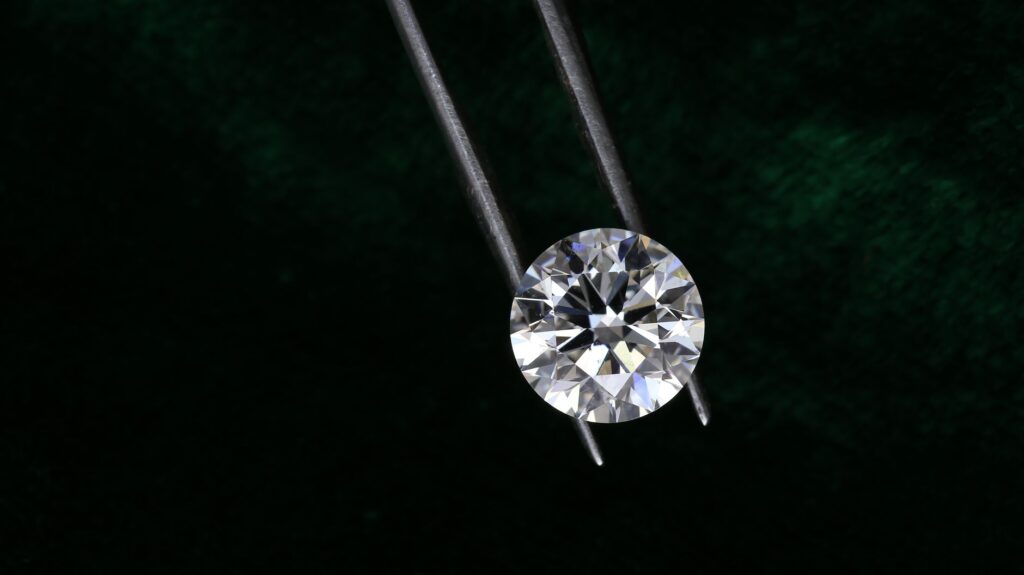
Two diamonds can have the same carat weight, similar color, and matching clarity grades, yet look noticeably different in person. The reason is often cut quality and the way the stone handles light. When buyers compare Diamond Fire vs Scintillation, they are really comparing two different parts of sparkle that shape how lively a diamond feels on the hand.
Fire is the colorful flash you see when white light splits into spectral colors. Scintillation is the pattern of bright and dark flashes created by movement and contrast. Both matter, but they do not affect the diamond in the same way.
This is especially relevant for lab grown diamonds. Since lab grown stones often offer strong value in larger sizes and higher color or clarity grades, it is easy to focus on those numbers and overlook cut-related performance. In real-world viewing, fire and scintillation are a major part of what makes a diamond look beautiful, balanced, and worth the price.
Quick Answer: What Is the Difference Between Diamond Fire and Scintillation?
Fire is the rainbow-like color you sometimes see inside a diamond when light disperses into different wavelengths. It is most visible under bright lighting, especially spotlights or direct sunlight. Fire adds colorful flashes, but it is only one part of sparkle.
Scintillation is the sparkle pattern created when a diamond moves. It includes the flashing on and off of light, along with the contrast between bright and dark areas. This is what gives a diamond a lively, active appearance.
In simple terms, fire is about color, while scintillation is about movement and contrast. Most buyers want both, but they usually care most about how the diamond looks in everyday wear rather than how it behaves in a lab-style explanation.
Understanding the Core Terms
What Is Diamond Fire?
Diamond fire is the colored sparkle caused by dispersion. Dispersion is the way a diamond splits white light into different colors as light moves through the stone and exits at different angles. This creates small flashes of red, blue, yellow, and other colors.
Fire is often what people mean when they describe a diamond as having “rainbow sparkle.” It can make a diamond look dramatic and lively, especially in bright lighting. But fire should not be judged in isolation. A diamond with strong fire but weak overall brightness may still look less appealing than a diamond with a more balanced light pattern.
Fire depends on cut proportions, facet arrangement, and the lighting environment. Some shapes and cuts show more visible fire than others, and some settings make it easier to see than others.
What Is Diamond Scintillation?
Scintillation is the sparkle pattern created by movement. As a diamond shifts, different facets turn light on and off, creating flashes of brightness and contrast. This is one of the main reasons diamonds look lively when viewed on the hand.
Good scintillation gives a diamond energy and visual rhythm. It helps the stone catch the eye from a normal viewing distance. Without it, a diamond can still be bright, but it may appear flat or static.
Scintillation is closely tied to diamond cut, because facet precision and proportions affect how the stone handles light. Two diamonds with the same carat weight can produce very different scintillation patterns depending on how they were cut.
How Are Fire and Scintillation Different?
Fire and scintillation are related, but they are not the same. Fire is the colored aspect of sparkle. Scintillation is the movement-based flash pattern.
| Trait | What It Means | What Buyers Notice |
|---|---|---|
| Fire | Colored flashes created by light dispersion | Rainbow-like flashes, especially in bright light |
| Scintillation | Bright and dark flashes created by movement | Active sparkle pattern and visual liveliness |
A diamond with strong fire can look colorful and expressive. A diamond with strong scintillation can look crisp and energetic. The most attractive diamonds usually balance both in a way that feels natural rather than exaggerated.
Why Fire and Scintillation Matter to Buyers
Most shoppers do not buy diamonds because of technical terms. They buy because one stone looks better than another. Fire and scintillation matter because they shape that first impression, and they help determine whether a diamond looks lively in real life.
Two diamonds can share similar grades on paper and still perform differently in daily wear. One may look bright and active. The other may appear a little sleepy, dark, or overly busy. Understanding the difference helps buyers focus on what they will actually see.
This matters even more with lab grown diamonds, where buyers may be able to afford a larger or higher-color stone. That can be a good opportunity, but it can also lead shoppers to overlook cut quality. A bigger diamond does not automatically look better if the light performance is weak.
Appearance and First Impressions
Most people notice sparkle before they notice grading terminology. Fire and scintillation are a big part of that immediate visual response. A diamond that is bright, balanced, and lively usually looks more attractive even to someone with no gemological training.
On the other hand, a diamond can look less compelling if it has weak brightness or uneven light return. Too much emphasis on one sparkle trait can sometimes make the stone feel less refined. Buyers often describe this as a diamond looking “off,” even if they cannot explain why.
Value and Buying Confidence
Cut quality often produces a more visible improvement than spending the same money on slightly higher clarity or a modest increase in carat weight. That is because sparkle affects the overall impression of the diamond every time it is worn.
Still, not every upgrade is worth the extra cost. Some buyers will not notice subtle differences between cut grades in normal viewing conditions. The key is knowing where the visible gains are meaningful and where the premium becomes harder to justify.
How Fire and Scintillation Affect Diamond Appearance
Fire: The Color in the Sparkle
Fire becomes most noticeable under strong point-source lighting. That includes jewelry-store spotlights, bright sun, and certain kinds of indoor lamps. In those settings, the diamond can throw off tiny rainbow flashes that add richness and visual interest.
Fire can be very appealing, but more fire is not always better. If a diamond emphasizes colored flashes too heavily while lacking brightness, the result can feel less clean and less crisp. In other words, a diamond needs enough white light return to support the fire.
Scintillation: The On-Off Sparkle Pattern
Scintillation is what gives a diamond motion and contrast. As the stone moves, facets switch between light and dark, creating a dynamic flash pattern. This is one reason diamonds often look more alive in motion than in a still photo.
Strong scintillation often comes from precise facet alignment and proportions that support good light return. It can make a diamond seem more brilliant from across a room and more engaging up close. If the pattern is too broken up or too dark, the diamond may not feel as vibrant.
Brilliance, Brightness, and Light Return
Fire and scintillation are important, but they do not tell the whole story. Brilliance refers to the white light reflected back to the eye. Light return is the diamond’s ability to send light back instead of losing it through the sides or bottom.
When light return is strong, the diamond usually appears brighter and more balanced. When light leakage is present, certain areas can look dark or dull. That is why cut analysis should include more than just a single grade or a marketing description.
What Affects Fire and Scintillation?
Cut Proportions
Cut proportions describe the relationship between a diamond’s table, depth, crown, and pavilion. These measurements influence how light moves through the stone. When the proportions are well balanced, the diamond often shows better brightness, fire, and scintillation.
This is one reason a diamond can look more attractive than another stone with the same carat weight. If the proportions are off, light may not behave as well, and the diamond may lose some of its visual energy. Buyers often notice this most clearly when comparing two stones side by side.
Facet Pattern and Shape
Facet arrangement affects the style of sparkle a diamond produces. Round brilliant diamonds are known for a classic mix of brilliance, fire, and scintillation. Fancy shapes such as oval, pear, cushion, emerald, and radiant cut show different light behavior because their facet layouts are not identical.
Some shapes show larger flashes. Others create more rapid sparkle or more mirror-like reflections. A cushion cut may show broader flashes, while a round brilliant often gives a more balanced and frequent sparkle pattern. The best shape depends on the look the buyer prefers.
Symmetry and Polish
Symmetry refers to how precisely the facets line up and match one another. Polish refers to how smooth the facet surfaces are after cutting. Both affect how cleanly light travels through the diamond and how sharply it reflects.
Good symmetry helps create a more even sparkle pattern. Good polish helps light reflect without interference from surface irregularities. These traits are often less obvious than carat weight or color, but they still matter to the finished appearance.
Lighting Environment
A diamond can look quite different depending on the lighting around it. Bright store lighting tends to emphasize fire and scintillation. Softer indoor lighting may make the diamond look subtler, with more emphasis on brightness and contrast than on rainbow flashes.
This is why one viewing condition is not enough. A diamond that looks dramatic under spotlights may behave differently in normal daily wear. If possible, compare the stone in several lighting environments before making a decision.
Fire vs Scintillation in Real-World Viewing
Most buyers are not examining diamonds under controlled conditions. They see them on the hand, near windows, in offices, outdoors, and in evening light. That makes real-world appearance more important than technical definitions alone.
In everyday wear, scintillation is often noticed first because the diamond is almost always moving slightly. Fire becomes easier to see when the stone catches strong light. Together, they create the sense that a diamond is active rather than static.
A diamond with strong fire but weak scintillation may look interesting in some moments but less crisp overall. A diamond with strong scintillation but moderate fire may still look highly appealing because it appears bright and lively. Many buyers end up preferring balance over extremes.
How the Eye Sees Sparkle from a Normal Distance
From arm’s length, most people are not seeing facet details. They are seeing the overall pattern of flashes, brightness, and contrast. That is why subtle differences on a grading report are often less important than how the diamond actually presents itself in real life.
Experienced jewelers often look for a stone that feels visually balanced at a glance. If the sparkle pattern looks too dark, too broken up, or too flat, those issues can stand out more than a small difference in clarity grade. That is one reason cut is so central to diamond beauty.
Why Online Videos Can Be Misleading
Online videos are useful, but they do not always show sparkle fairly. Lighting, camera settings, motion speed, and compression can make a diamond look more dramatic or less balanced than it really is. One video may emphasize rainbow flashes while another makes the stone look overly white or washed out.
If you shop online, look for consistent imaging and helpful measurement data. A reliable seller should provide more than flashy visuals. The goal is to understand how the diamond really behaves, not just how it looks under a carefully staged setup.
How Fire and Scintillation Relate to Diamond Cut Grades
Cut grades help buyers estimate how well a diamond may perform. For round brilliant diamonds, grading systems from major labs consider proportions, symmetry, polish, and visual performance. That is useful, but it is only a starting point.
A strong cut grade usually supports better brightness and a more pleasing sparkle pattern. That often leads to a healthier balance of fire and scintillation. Lower grades can still produce attractive diamonds, but the trade-offs become more visible as performance drops.
Excellent Cut vs Very Good Cut
The difference between Excellent and Very Good can be subtle in some diamonds and more noticeable in others. Some Very Good stones look nearly identical to Excellent stones in casual wear. Others show weaker brightness, a less refined pattern, or more obvious light leakage.
The practical question is not whether the grade always looks different. The question is whether the stone looks its best. If the price difference is small, an Excellent cut often gives buyers more confidence. If a Very Good diamond offers better value and still looks lively, it can be a reasonable choice.
Why a Top Grade Does Not Guarantee the Same Look
Two diamonds with the same grade can still vary in table size, depth, crown angle, pavilion angle, and facet precision. These details influence how fire and scintillation show up. A diamond can earn a strong grade and still not be the most impressive visual performer in the group.
That is why some buyers look beyond the basic cut label and pay attention to proportions and actual imagery. The grading report matters, but it does not tell the full story by itself.
Practical Examples That Buyers Can Relate To
A Well-Cut 1.5-Carat Diamond vs a Poorly Cut 2-Carat Diamond
This is one of the most common real-world comparisons. The larger diamond sounds better on paper, but if it is cut poorly, it may not look as lively or attractive as the smaller stone. A well-cut 1.5-carat diamond can easily appear brighter and more balanced.
Buyers sometimes assume size automatically creates more sparkle. In practice, a poorly proportioned diamond can hide brightness through light leakage or weak facet interaction. If appearance matters most, cut quality can outweigh the extra carat weight.
Excellent Cut vs Very Good Cut in Everyday Lighting
Under jewelry-store lighting, the difference may be hard to spot immediately. Both stones can look attractive at first glance. In softer home lighting, though, an Excellent cut often holds brightness and contrast a little better, which can make it seem more consistently lively.
For some shoppers, that difference is worth paying for. For others, especially if the budget is tighter, a well-chosen Very Good cut may still offer strong value. The important part is comparing actual performance, not just the grade name.
Higher Clarity with Poor Cut vs Lower Clarity with Excellent Cut
Many first-time buyers put too much weight on clarity. A diamond with slightly lower clarity but excellent cut often looks more beautiful than a cleaner diamond with weak sparkle. Cut influences the whole visual experience more directly than inclusions that may be difficult to see without magnification.
This is especially relevant for lab grown diamonds, where higher clarity grades are often available at accessible prices. It can be tempting to chase the highest clarity, but in many cases the better trade-off is to choose stronger cut quality and a clarity grade that is still eye-clean.
Advantages of Strong Fire and Scintillation
- More eye-catching appearance: A diamond with balanced fire and scintillation usually looks more lively and attractive.
- Better everyday performance: The stone tends to look active in different lighting conditions, not just under store lights.
- Stronger visual value: Good light performance can make a diamond look more impressive than a larger stone with weaker cut quality.
- Better long-term satisfaction: Buyers often remain happier with a diamond that consistently looks bright and dynamic.
- Useful for engagement rings: In rings worn daily, sparkle quality is one of the most visible parts of the design.
Limitations and Trade-Offs
Not Every Buyer Wants Maximum Fire
Some shoppers like bold rainbow flashes. Others prefer a cleaner, brighter look with less emphasis on color. There is no single correct answer because personal taste matters. What looks exciting to one person may feel too busy to another.
Cut style also affects the balance. A diamond that shows more fire is not automatically better than one that emphasizes brilliance. The right choice depends on the look you prefer and the lighting where you expect to wear the diamond most often.
Subtle Differences Can Be Hard to See
In everyday shopping, some cut-related differences are small. The gap between one strong diamond and another may only be noticeable when the stones are compared directly. That means not every premium is justified if the visual improvement is minimal.
This is why buyers should avoid paying more simply because a description sounds impressive. What matters is how the diamond actually looks. The best value is usually found where the visible improvement is real enough to notice.
Lighting Can Change the Impression
A diamond that seems full of fire in one setting may look less dramatic in another. Scintillation can also look different depending on movement and lighting. This makes comparison shopping tricky if you only rely on one photo or one short video.
If possible, compare diamonds under multiple light sources. That gives a more realistic sense of how the stone will behave in daily wear.
Buying Considerations for Lab Grown Diamonds
Lab grown diamonds are evaluated by the same broad visual principles as natural diamonds. They still need good cut, proportion, polish, and symmetry to perform well. A lab grown stone does not sparkle better simply because it was grown in a controlled environment.
One advantage of lab grown diamonds is that buyers may be able to prioritize cut quality while staying within budget. Since lab grown stones often cost less than natural diamonds of similar size and appearance, some shoppers can choose a better-cut diamond without giving up as much on size or color.
That said, the same caution applies. Not all lab grown diamonds are cut equally well, and certification still matters. If you are comparing options, review the grading report and, when possible, study images or videos that show how the diamond handles light. You can also compare how lab grown diamonds differ from natural diamonds in price and buying priorities.
Does Fire Look Different in Lab Grown Diamonds?
No, not in any fundamental way. Fire comes from the physical structure of the diamond, not from whether it was grown in a lab or mined from the earth. A well-cut lab grown diamond can show the same type of fire and scintillation as a well-cut natural diamond.
The difference between lab grown and natural diamonds is mainly about price, availability, and market positioning. The optical behavior is still determined by cut and light interaction, so cut quality remains just as important.
How to Judge Fire and Scintillation When Shopping
Look at the Diamond in Motion
A still image cannot fully show scintillation. A good video should reveal how the diamond turns on and off as it moves. Look for a balanced sparkle pattern with bright flashes and clear contrast rather than an overly flat or overly chaotic appearance.
If the diamond is moving too quickly in a video, it becomes harder to judge. Slow, controlled movement is more useful because it shows how the stone actually behaves in real use.
Compare Under Different Lighting
Try to view the diamond under soft indoor light, stronger lighting, and, if possible, daylight. Fire often becomes more obvious in stronger light, while scintillation should remain visible across settings. A diamond that only looks good in one type of light may not be the best overall performer.
Check the Cut Information
For round diamonds, a strong cut grade is usually one of the best quick indicators of good light performance. For fancy shapes, cut grading is often less standardized, so proportions and imaging become even more important. If you are unsure how to interpret the details, learning more about diamond cut can help you make a better comparison.
Do Not Ignore Shape Preferences
Different diamond shapes show sparkle differently. Round brilliants usually give the most balanced fire and scintillation. Oval, cushion, pear, radiant, and emerald cuts each produce their own style of light return and contrast.
If you strongly prefer a certain shape, that preference should guide the decision. A shape you love with slightly different sparkle behavior may still be the better choice than a technically stronger pattern in a shape you would not enjoy wearing.
Common Buyer Mistakes
- Prioritizing carat weight over cut: A larger diamond with poor light performance can look less impressive than a smaller, well-cut stone.
- Assuming all sparkle is the same: Fire, brilliance, and scintillation are related but distinct.
- Overpaying for clarity: Eye-clean diamonds with excellent cut often provide better visual value.
- Reading grading reports too literally: Two diamonds with the same grade can still look different in person.
- Judging only by still photos: Still images do not show movement or true scintillation.
- Ignoring light leakage: A diamond can look darker or less lively if too much light escapes.
- Focusing on one trait only: A diamond needs a good overall balance of brightness, contrast, and colorful sparkle.
How Fire, Scintillation, and Light Leakage Work Together
Light leakage happens when light escapes through parts of the diamond instead of reflecting back to the eye. This can reduce brightness and weaken the sense of sparkle. If too much leakage is present, both fire and scintillation may look less impressive.
That is why diamonds with strong light return tend to look more lively. Their facets are doing a better job of directing light back toward the viewer. In practical terms, that usually means a brighter stone with more noticeable sparkle in normal wear.
Buyers do not need to become gemologists to understand this. The simple takeaway is that a diamond with good light management usually looks more attractive. Fire and scintillation are more satisfying when the diamond is bright enough to support them.
Which Matters More: Fire or Scintillation?
For most buyers, scintillation is noticed first in everyday life because it is tied to movement. It gives the diamond life and contrast. Fire is often the detail that becomes especially appealing in strong lighting or when the diamond is viewed closely.
That said, one is not universally more important than the other. A diamond that has excellent scintillation but very little fire may still be beautiful. A diamond with dramatic fire but weak contrast may feel less balanced. The better approach is usually to look for a pleasing mix.
If you are buying an engagement ring or a piece meant for daily wear, a balanced stone often offers the broadest appeal. That is especially true if you want the diamond to look attractive in many different environments.
Frequently Asked Questions
Is fire the same as sparkle?
Not exactly. Sparkle is a broad term that includes brilliance, fire, and scintillation. Fire is the colorful part of the sparkle, while scintillation is the flashing pattern created by movement.
Do lab grown diamonds have less fire than natural diamonds?
No. Lab grown and natural diamonds have the same basic optical properties. A well-cut lab grown diamond can show just as much fire and scintillation as a well-cut natural diamond.
Can a diamond have too much fire?
It can have more fire than a buyer personally prefers, especially if the colorful flashes dominate the look. Some people enjoy that style, while others prefer a brighter, whiter appearance with less emphasis on rainbow flashes.
Why do some diamonds look more lively than others even when the grades are similar?
Because the grade is only part of the story. Small differences in proportions, symmetry, facet alignment, and light leakage can change the visual result. Two similar grades do not always produce the same real-world appearance.
Is scintillation visible in photos?
Only partially. Still photos can show brightness and some contrast, but they do not fully capture movement. A video is much more helpful for judging scintillation.
Should I always choose the highest cut grade?
Not always. A top cut grade is often a strong starting point, but the right choice depends on budget, shape, and visual preference. Sometimes a slightly lower grade still offers strong performance at a better price.
Does a bigger diamond always have more sparkle?
No. Bigger size can make sparkle easier to notice, but cut quality has a major influence on how lively the diamond actually looks. A well-cut smaller diamond can outperform a larger poorly cut one.
What is the safest way to buy for sparkle quality?
Look for a strong cut grade, review proportions when available, and examine high-quality images or videos. If you can compare diamonds side by side, pay attention to which one looks brighter, more active, and more balanced rather than simply larger.
Conclusion
Diamond Fire vs Scintillation comes down to two different aspects of sparkle. Fire is the colored flash you see when light breaks into spectral colors. Scintillation is the lively pattern of bright and dark flashes created by movement. Both are important, and both depend heavily on cut quality.
For most buyers, the best diamond is not the one with the most dramatic single trait. It is the one with the most balanced, attractive visual performance in everyday wear. That usually means strong light return, good proportions, and a sparkle pattern that looks active without becoming chaotic.
If you are shopping for a diamond, especially a lab grown diamond, focus on how the stone actually looks rather than only the number on a report. Compare cut quality, review videos carefully, and think about how the diamond will appear in normal lighting. That approach gives you a much better chance of choosing a diamond that feels satisfying long after the purchase.