Emerald cut diamonds often surprise first-time buyers because they do not sparkle in the same way as round brilliant or oval diamonds. If you are wondering, do emerald cut diamonds sparkle less, the short answer is yes, they usually do, but that is not a flaw. Emerald cuts are designed for a different kind of visual effect, with broad flashes of light, clean lines, and a more glass-like look than a glitter-heavy one.
That difference matters because many buyers compare shapes only by how much they “sparkle,” when the better question is whether the shape matches their style, budget, and expectations. Emerald cut diamonds can look elegant, sophisticated, and large for their carat weight, but they require more attention to cut quality, clarity, and color than some other shapes. Understanding why they behave differently helps you decide whether this style is a good fit for an engagement ring or other diamond jewelry.
Quick Answer: Do Emerald Cut Diamonds Sparkle Less?
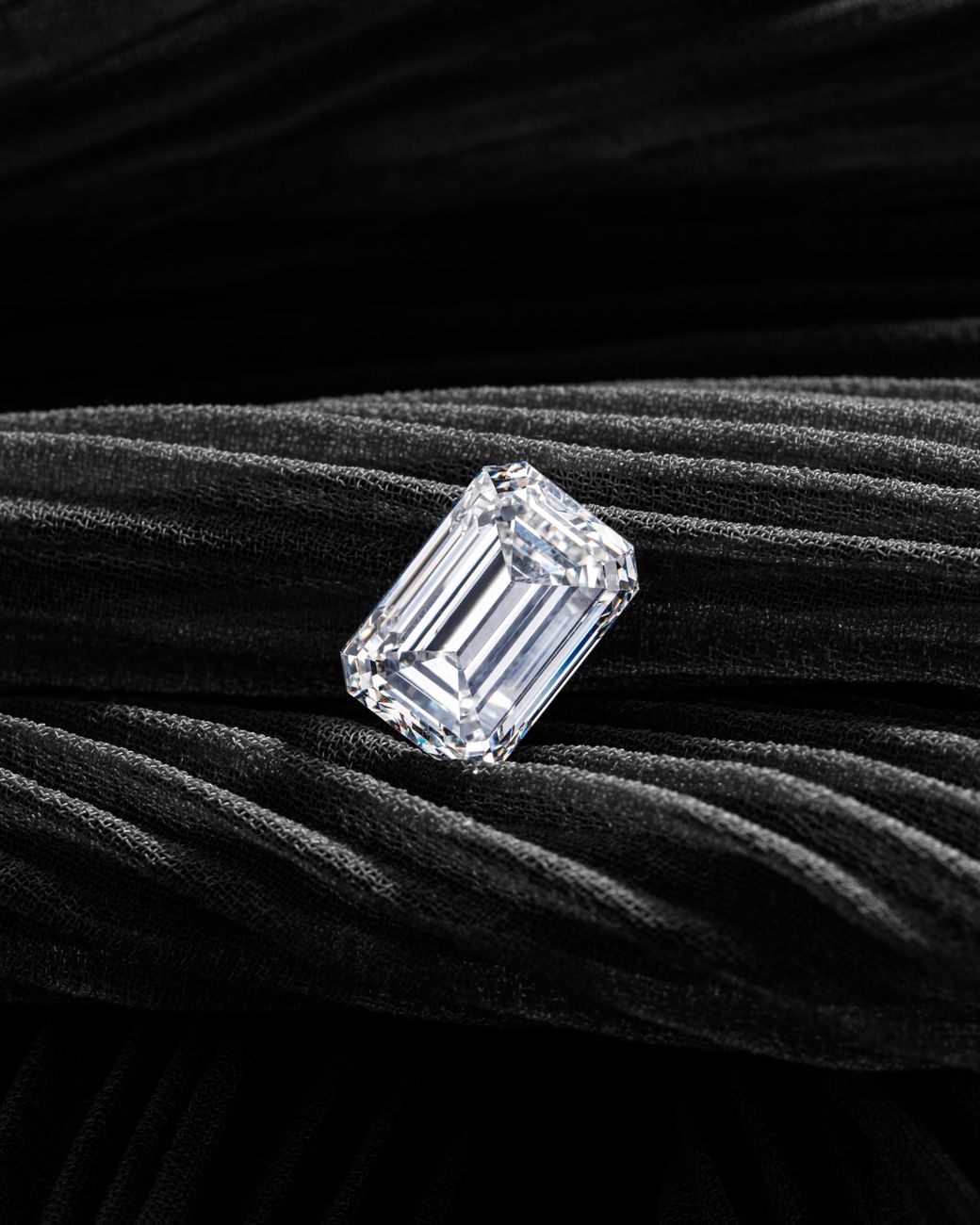
Yes, emerald cut diamonds generally sparkle less than brilliant-cut shapes such as round, oval, pear, or cushion diamonds. That is because emerald cuts are step-cut diamonds, meaning their facets are arranged in long, parallel rows rather than in many small triangular and kite-shaped facets designed to maximize sparkle.
Instead of producing lots of tiny flashes, emerald cuts create broad flashes of light and dark as the stone moves. This produces a clean, elegant look that many buyers love. If you want maximum sparkle, an emerald cut is usually not the best choice. If you prefer a refined, architectural appearance with a clear view into the stone, an emerald cut may be exactly what you want.
What Makes an Emerald Cut Different?
An emerald cut is a rectangular or square-shaped diamond with cropped corners and a step-cut facet arrangement. The shape was originally developed for emerald gemstones, which is where the name comes from, and it was later adapted for diamonds. Over time, it became associated with a sophisticated, vintage-inspired aesthetic.
The most important thing to understand is that emerald cuts are not meant to behave like brilliant cuts. Brilliant cuts, such as round or radiant, are designed to return light in a way that creates more sparkle. Emerald cuts prioritize clarity of shape, mirror-like flashes, and a see-through quality that shows the interior of the diamond more clearly.
That difference is why some buyers fall in love with emerald cuts immediately, while others feel they look too quiet. Neither reaction is wrong. It simply reflects two very different design philosophies in diamond cutting.
Step-Cut vs Brilliant-Cut
The facet pattern is the main reason emerald cuts sparkle differently. In a step cut, facets are arranged like stairs or steps, which creates long reflection lines. In a brilliant cut, facets are arranged to bounce light in many directions, creating more scintillation, which is the rapid on-off sparkle effect you see when the stone moves.
This is why two diamonds of the same carat weight can look very different. A round brilliant may look lively and fiery from across the room, while an emerald cut may look calmer and more understated. Neither is inherently better, but they serve different visual goals.
For buyers, this means the important question is not whether an emerald cut is “sparkly enough.” It is whether its style fits the look you want in daily wear, especially if the stone will be set as an engagement ring or a center stone that you will see often.
How Emerald Cut Diamonds Actually Sparkle
When people say a diamond sparkles, they are often referring to several separate visual effects. These include brilliance, fire, and scintillation. Emerald cuts can show all three to some degree, but they emphasize them differently than brilliant cuts do.
Brilliance
Brilliance is the return of white light from the diamond. Emerald cuts can have good brilliance, but it appears in broader flashes rather than in constant glitter. Because the facets are larger and more open, you are more likely to notice the diamond’s mirror-like reflections and shape than a dense pattern of sparkle points.
That broad reflection pattern is part of what gives the emerald cut its polished, elegant appearance. When the proportions are balanced, the stone can look crisp and bright without looking busy.
Fire
Fire is the rainbow-colored light a diamond gives off when it splits light into spectral colors. Emerald cuts usually show less fire than brilliant cuts because their facet structure is not optimized to disperse light in the same way. Some well-cut emerald diamonds still show attractive flashes of color, but fire is not the main attraction.
This matters if you are comparing shapes under different lighting conditions. In strong spot lighting, a round brilliant often looks more active because it throws off more colored flashes. An emerald cut may look more restrained, but it can still show beautiful flashes when the stone moves.
Scintillation
Scintillation describes the pattern of light and dark that appears when a diamond moves. Emerald cuts have a slower, more deliberate scintillation pattern. Instead of a glittery flicker, you get long flashes that move across the stone. Many buyers describe this as elegant or refined, while others may find it less exciting than a round or oval diamond.
Scintillation is often where expectations matter most. A buyer who wants a diamond that looks lively from every angle may prefer a radiant or round cut. A buyer who appreciates a calm, reflective appearance may find an emerald cut more beautiful precisely because it is less busy.
Why Emerald Cut Diamonds Sparkle Less
There are a few practical reasons emerald cuts appear less sparkly than other shapes. The first is the facet pattern. The second is the open table, which is the large flat top surface of the diamond. The third is the elongated step-cut structure, which creates fewer opportunities for rapid light return.
Because of this design, emerald cuts show more of the diamond’s interior. If the stone has a strong cut, this can create a beautiful “hall of mirrors” effect. If the cut is weak, the diamond may look dull or glassy in a less attractive way. That is why cut quality is so important in emerald cuts, even though lab reports do not assign them the same cut grades that they do for round brilliants.
Another reason is viewing angle. Emerald cuts often look best when the eye can take in the overall shape and structure of the stone. If you expect the constant sparkle of a round diamond, the emerald cut can initially seem subdued. Once you understand the style, however, many buyers appreciate the quieter, more tailored appearance.
Appearance and Visual Performance
Emerald cut diamonds are known for their calm, elegant appearance. They tend to look larger than many other shapes of the same carat weight because of their elongated outline and broad surface area. This can make them appealing to buyers who want a larger face-up look without necessarily moving up in carat weight.
The shape also has a distinctive sophistication that works well in solitaire settings, bezel settings, and vintage-inspired ring designs. Many buyers appreciate that emerald cuts do not compete with the setting. Instead, they complement the ring’s structure and create a clean, balanced look.
In visual terms, an emerald cut is less about “sparkle everywhere” and more about strong shape, contrast, and reflection. That makes the cut especially appealing to people who like architecture, symmetry, and a polished look that feels intentional.
The Hall of Mirrors Effect
One of the defining visual features of a well-cut emerald diamond is the “hall of mirrors” effect. This refers to the long, parallel reflections inside the stone that resemble mirrors placed side by side. It is one of the reasons emerald cuts are admired by buyers who value clarity and geometry over intense sparkle.
When the effect is strong, the diamond looks crisp, elegant, and dimensional. When it is weak, the stone may appear washed out or uneven. This is why proportions and craftsmanship matter so much in this shape.
Good hall of mirrors performance depends on how the facets interact with light. The stone should show clean alternating areas of brightness and contrast, not a flat or watery look. In practice, this is why two emerald cuts with the same grading report can look noticeably different in person.
The Bow Tie Question
The bow tie effect is more commonly discussed with oval, pear, and marquise shapes, but elongated emerald cuts can still show uneven light patterns depending on proportions and setting. In most cases, the issue is less about a classic bow tie and more about zones of light and darkness across the table and step facets.
Buyers should examine emerald cuts in person or through high-quality videos whenever possible. These videos help reveal how the diamond performs under movement and different lighting conditions, which is important because emerald cuts can look quite different from one angle to another.
For online shopping, it is helpful to look for consistent brightness in the center and along the length of the stone. If the middle looks overly dark or the reflections seem broken up, the diamond may not deliver the balanced look many buyers want.
Advantages of Emerald Cut Diamonds
Emerald cuts are not chosen because they sparkle the most. They are chosen because they offer a different set of advantages that can be highly appealing to the right buyer.
Elegant, Distinctive Appearance
Emerald cuts have a refined look that feels more architectural than flashy. The long lines and cropped corners give the diamond a formal, polished character. For buyers who want something classic but not common, this shape is often attractive.
The style also photographs well because its outline is so distinct. In engagement ring photos, an emerald cut often looks clean and composed, which is one reason it remains popular in both modern and vintage-inspired designs.
Face-Up Size
Emerald cuts often look larger than round diamonds of the same carat weight. That is partly due to their shape and partly because they spread their weight across a wider surface area. This can be useful for buyers comparing diamond shapes and trying to maximize visual size within a budget.
That larger face-up presence can be especially helpful in the lab grown diamond market, where buyers often compare size, quality, and price very closely. A lab grown emerald cut may allow you to choose a larger center stone while still keeping the overall budget manageable.
Clean, Timeless Style
Emerald cuts have been popular for decades, and their appeal tends to last because the shape is not heavily trend-driven. While fashion cycles change, the clean lines of an emerald cut remain relatively stable in the market. That makes it a strong choice for someone who wants a ring that does not feel overly tied to a current trend.
This long-term appeal is one reason emerald cuts are often seen as a confident style choice. They do not rely on novelty to feel attractive. Instead, they depend on proportion, symmetry, and craftsmanship.
Pairs Well with Certain Settings
Emerald cuts work especially well in classic solitaire settings, three-stone rings, and vintage-inspired designs. They also pair beautifully with baguette side stones and tapered side stones, which echo the geometry of the center stone. This can create a very cohesive look.
Settings that protect the corners while keeping the outline visible are often ideal. The stone’s crisp rectangular shape is one of its biggest strengths, so the setting should support that rather than conceal it.
Clarity Can Be Showcased Beautifully
Because the facets are open, a high-clarity emerald diamond can look especially clean and elegant. Buyers who value transparency and crisp structure often appreciate this. When the stone is well matched with its color grade and clarity grade, the result can look very sophisticated.
For buyers who like seeing into the diamond rather than seeing a busy sparkle pattern, this openness is part of the appeal. The stone can appear calm, refined, and almost mirror-like in the right lighting.
Disadvantages of Emerald Cut Diamonds
Emerald cuts are not the right choice for everyone. Their strengths come with trade-offs that buyers should understand before making a decision.
Less Sparkle Than Brilliant Cuts
The most obvious drawback is the lower level of sparkle compared with round, oval, cushion, or radiant diamonds. If your main priority is brilliance and flash, an emerald cut may feel restrained. This is not a quality defect, but it is a design characteristic.
Some buyers also find that emerald cuts are less forgiving in dim lighting because they do not constantly hide behind glitter. In lower light, the stone may appear quieter than expected. That can be beautiful, but it is worth understanding before you buy.
Clarity Issues Are Easier to See
The open facet structure can make inclusions easier to spot. This means clarity matters more in emerald cuts than in many brilliant shapes. A diamond that might look clean in a round cut could reveal more imperfections in an emerald cut.
For that reason, buyers often need to be more selective about clarity. Eye-clean appearance matters more than a grading label alone, because the open structure shows more of what is inside the stone.
Color Can Be More Noticeable
Emerald cuts may show body color more easily than brilliant cuts because they do not hide color as effectively. Buyers often need to pay closer attention to diamond color grades, especially in larger stones or in white metal settings like platinum or white gold.
This is especially relevant when comparing stones online. A diamond that looks white enough in a photo may appear warmer in person. If you are sensitive to warmth, it may be worth moving up a color grade or choosing a setting that complements the stone.
More Sensitive to Cut Quality
There is no single cut grade system that fully captures emerald cut performance the way it does for round diamonds. This means buyers need to look beyond the grading report and pay close attention to visual proportions, symmetry, and light performance. A poorly proportioned emerald cut can look lifeless even if its paper specs seem acceptable.
In other words, an emerald cut is a shape where the report is only part of the story. Visual inspection, videos, and measurements matter a great deal.
Who Emerald Cut Diamonds Are Best For
Emerald cuts are best suited to buyers who want elegance, clarity, and a more understated type of beauty. If you like a diamond that looks refined rather than flashy, this shape may appeal to you. It is also a strong option for someone who values strong geometry and a distinctive profile.
Emerald cuts are often a good fit for:
- Buyers who prefer a classic, sophisticated look
- People who want a larger face-up appearance
- Shoppers who like vintage-inspired or Art Deco styling
- Buyers who are comfortable prioritizing shape and elegance over sparkle intensity
- People choosing a lab grown diamond and wanting a larger, cleaner-looking center stone within budget
They may be less ideal for buyers who want a very lively diamond with lots of fire and sparkle from every angle. In that case, a round brilliant or radiant cut may be a better match.
They can also be a strong choice for buyers who prefer a more tailored fashion aesthetic. Emerald cuts often feel understated in a way that pairs well with clean ring designs, minimal settings, and structured jewelry styles.
How Emerald Cut Diamonds Compare to Other Popular Shapes
Comparing shapes side by side is often the easiest way to understand whether an emerald cut fits your preferences. The differences are not just about looks. They also affect how the diamond performs in daily wear, how noticeable inclusions are, and how much value you may get for your budget.
Emerald Cut vs Round Brilliant
| Feature | Emerald Cut | Round Brilliant |
|---|---|---|
| Sparkle | Broad flashes, less overall sparkle | Maximum sparkle and scintillation |
| Fire | Moderate to lower | Strong |
| Face-up size | Often looks large for its carat weight | Efficient, but generally appears smaller than elongated shapes of the same carat |
| Clarity visibility | More revealing | Better at hiding inclusions |
| Color visibility | More revealing | Can mask color better |
| Style | Elegant, geometric, refined | Classic, bright, highly sparkly |
Round brilliants are the benchmark for sparkle because their facet pattern is specifically engineered to return light efficiently. Emerald cuts are more about clean lines and controlled flashes. If sparkle is your top priority, round is usually the stronger choice. If you prefer a more sophisticated, less glitter-heavy look, emerald can be more appealing.
Round diamonds are also the most forgiving when it comes to clarity and color. That can make them easier for many buyers to shop. Emerald cuts require more visual judgment, which is why they are often chosen by buyers who know what kind of look they want.
Emerald Cut vs Oval
Oval diamonds are also elongated, but they behave very differently. Ovals are brilliant cuts, so they tend to sparkle much more than emerald cuts. They also often look larger than rounds of the same carat weight, which makes them a popular alternative for buyers who want size and sparkle together.
The trade-off is that oval diamonds can show a bow tie effect, where a dark area appears across the center. Emerald cuts do not usually show the same type of bow tie, but they can have uneven light areas if the cut is poor. Oval diamonds also tend to feel softer and more romantic, while emerald cuts feel more structured and formal.
If you are deciding between the two, think about whether you want lively brilliance or architectural elegance. Oval cuts usually feel more energetic. Emerald cuts usually feel calmer and more linear.
Emerald Cut vs Radiant
Radiant cuts combine a rectangular or square outline with brilliant-cut faceting. This gives them a lot more sparkle than an emerald cut while keeping a similar shape profile. For buyers who like the rectangular look but still want strong light performance, radiant cuts are often considered a practical alternative.
Emerald cuts are quieter and more elegant. Radiant cuts are brighter and more energetic. The choice depends on whether you want restrained sophistication or lively sparkle.
Radiants can also hide inclusions and color better because of their facet structure. That can make them easier to shop in lower color or clarity ranges, while emerald cuts usually reward buyers who are more selective.
Emerald Cut vs Asscher
Asscher cuts are also step cuts, but they are typically square rather than rectangular and often have a more pronounced vintage feel. Like emerald cuts, Asschers emphasize clarity and internal patterning over sparkle. They can feel slightly more symmetrical and compact, while emerald cuts usually appear longer and more elongated.
Both shapes show off the internal structure of the diamond, so clarity and cut quality matter a great deal. Buyers choosing between these two often decide based on whether they prefer a square or rectangular outline.
Asscher cuts usually have a stronger antique personality, while emerald cuts tend to feel a little more versatile in modern engagement ring settings. If you want a shape with more width and a more classic rectangular profile, emerald often wins that comparison.
Emerald Cut vs Cushion
Cushion cuts have a softer, more rounded shape and can be either brilliant or modified brilliant. This means they often show more sparkle than emerald cuts. They also feel more romantic and less geometric.
Emerald cuts are better for buyers who want crisp lines and a polished, architectural look. Cushion cuts are better for buyers who want a softer shape with more traditional sparkle.
Cushions can also vary widely in appearance depending on their facet style, so they may require a similar level of comparison shopping. Still, if you are deciding between the two, emerald cut is generally the more structured and less sparkly option.
Important Buying Considerations for Emerald Cut Diamonds
Shopping for an emerald cut diamond requires a slightly different mindset than shopping for a round brilliant. The grading report still matters, but visual inspection matters even more. Buyers should pay close attention to proportions, clarity, color, and how the diamond behaves in different lighting.
Cut Quality and Proportions
Because emerald cuts do not receive the same standardized cut grading as round brilliants, proportions become especially important. A stone with balanced length, width, table size, and depth usually looks more attractive than one with extreme measurements. You want a diamond that returns light evenly and shows a pleasing rectangular shape without looking too narrow or too bulky.
There is no single perfect ratio, but many buyers prefer an emerald cut with a length-to-width ratio somewhere around 1.30 to 1.50 for a rectangular look. More elongated stones can look elegant and slender, while squarer stones can feel more compact and classic. Personal preference plays a major role here.
What matters most is that the outline feels intentional. A well-proportioned emerald cut should have a balanced presence on the finger without looking stretched or compressed.
Clarity Grade
Clarity is particularly important in emerald cuts because the open facets can reveal inclusions more easily. Many buyers try to stay within the VS1 to VS2 range or better, although some SI1 stones may still appear eye-clean depending on the nature and position of the inclusions. The key is not just the grade, but whether imperfections are visible to the naked eye.
When considering lab grown diamonds, this point is especially relevant. Lab grown stones often offer higher clarity grades at a lower price than natural diamonds, which can make it easier to choose a cleaner-looking emerald cut without stretching the budget as much.
Still, an eye-clean stone should be evaluated in the exact size and shape you plan to buy. A grading report alone cannot tell you whether a small inclusion will draw attention in the center of an emerald cut.
Color Grade
Color can show more easily in emerald cuts than in brilliant shapes. For that reason, many buyers choose a higher color grade in this shape, especially when setting the stone in white gold or platinum. A G, H, or even I color may look fine to some buyers, but the final impression depends on the stone’s size, setting, and personal tolerance for warmth.
If you want a bright white look, it may be worth prioritizing color a little more in an emerald cut than you would in a round brilliant. If you are choosing a yellow gold setting, you may have a bit more flexibility because the metal can visually soften warmer tones.
For buyers on a budget, this is one of the biggest trade-offs in emerald cut shopping. You can often save by moving slightly lower in color or clarity, but the shape gives you less room to hide those compromises than many brilliant cuts do.
Face-Up Size vs Total Carat Weight
One reason emerald cuts are appealing is that they often look larger from above than some other shapes of the same carat weight. This happens because their surface area can be spread out more efficiently. Buyers focused on appearance per dollar often appreciate this, especially in the lab grown diamond market where larger sizes are more attainable.
That said, face-up size is not the same as sparkle or quality. A larger-looking emerald cut with poor cut quality can still appear lifeless. It is better to balance size with visual performance.
When comparing stones, look at actual measurements rather than carat weight alone. Two 2.00 carat emerald cuts can differ noticeably in face-up dimensions, and that can affect how substantial the stone looks once it is set.
Setting Choice
The setting can change how an emerald cut looks. A simple solitaire emphasizes the stone’s geometry and clean lines. A halo adds visual size and sparkle around the center stone, though some buyers feel halos compete with the understated nature of an emerald cut. Side stones such as baguettes can reinforce the shape’s elegant, linear style.
Prong style also matters. Slim prongs can keep the look refined, while heavier prongs may interrupt the clean outline. A setting should protect the cropped corners without overwhelming the shape.
For daily wear, this shape often benefits from a setting that supports the corners well. Because the cut has open corners, the ring should be designed to protect them without making the center stone feel bulky.
How Lab Grown Diamonds Fit into Emerald Cut Shopping
Lab grown diamonds are especially relevant in emerald cut shopping because this shape tends to reward larger, cleaner-looking stones. Since lab grown diamonds often cost less than natural diamonds of the same size and apparent quality, buyers may be able to choose a larger emerald cut or a higher clarity and color grade for the same budget.
This does not mean lab grown is automatically the best choice for everyone. Resale value is generally more limited than for natural diamonds, and pricing can change over time. But for buyers focused on appearance and budget efficiency, lab grown emerald cuts can be a practical option.
It is still important to review certification, proportions, and visual performance. Whether the stone is natural or lab grown, a poor cut will not look attractive simply because the report says the grades are strong.
In fact, emerald cuts are one of the shapes where lab grown pricing can make a noticeable difference. Buyers who want a larger center stone with a high clarity grade often find the shape easier to shop in the lab grown market than in the natural market.
Common Mistakes Buyers Make
Emerald cuts are often misunderstood, which can lead to expensive mistakes. Many buyers focus too much on carat size and not enough on how the stone actually looks under different lighting conditions. Others assume that a higher color or clarity grade automatically means a better-looking diamond.
Choosing by Carat Weight Alone
Carat weight matters, but it does not tell you how the diamond will face up or how elegant the proportions will look. Two emerald cuts with the same carat weight can appear very different if one has a better outline and more balanced depth. Always compare dimensions, not just the carat number.
Carat weight can be especially misleading in elongated shapes. A diamond may weigh more on paper but still look less impressive if too much of that weight sits in depth rather than spreads across the top view.
Ignoring Clarity
Because emerald cuts are open and transparent, inclusions are easier to notice. A buyer who selects a lower clarity grade just to save money may be disappointed if a visible inclusion sits near the center of the stone. A slightly higher clarity grade can sometimes be worth the difference in this shape.
This is one of the most common places where first-time buyers underestimate the shape. With emerald cuts, visible cleanliness matters more than a good-looking paper grade.
Overlooking Color
Emerald cuts tend to show body color more clearly. Buyers who are used to the masking effect of brilliant cuts may be surprised when a warmer tone becomes visible. This is especially important in larger stones.
If you are comparing stones side by side, the warmer diamond may look more obvious in an emerald cut than in a round or oval. That does not necessarily make it unattractive, but it does mean the comparison should be visual, not just numerical.
Not Reviewing Videos or Images
Emerald cuts should ideally be evaluated with magnified images and videos whenever possible. These tools help you assess the hall of mirrors effect, symmetry, and any visible inclusions. A grading report alone cannot show you how lively or dull a particular stone looks.
Video is especially useful because emerald cuts change more subtly than brilliant cuts as they move. A short clip can reveal whether the diamond has pleasing contrast or whether the reflections look uneven.
Assuming All Emerald Cuts Are Low Sparkle by Accident
Some buyers see less sparkle and assume the stone is poorly cut. In reality, lower sparkle is part of the shape’s normal personality. The key question is whether the diamond looks attractive for the style you want, not whether it behaves like a round brilliant.
Once buyers understand this, they are usually better prepared to compare stones on the right terms. Instead of chasing the most sparkle, they can judge whether the cut has the clean, balanced look that makes emerald shapes appealing.
Practical Buying Tips for Emerald Cut Diamonds
If you are shopping for an emerald cut diamond, a few practical steps can help you make a better decision. First, decide whether you value elegance and clarity more than intense sparkle. That will immediately tell you whether the shape is right for you.
Next, review the diamond’s proportions and ask to see the stone in different lighting conditions. Lighting changes how step cuts perform, and emeralds can look especially different in soft indoor light versus bright direct light. If you are choosing from online images, videos become especially important.
Finally, balance the 4Cs with the shape’s specific needs. In emerald cuts, cut appearance, clarity, and color often deserve more attention than carat weight alone. If you are comparing stones for an engagement ring, this approach usually leads to a more satisfying result than chasing the largest number on the certificate.
What to Prioritize First
For most emerald cut shoppers, the order of importance is usually:
- Cut appearance and proportion
- Eye-clean clarity
- Color grade
- Carat weight
- Setting style
This order is not fixed for everyone, but it reflects how the shape behaves in real life. A smaller emerald cut with great proportions often looks better than a larger stone with weak light return.
Helpful Questions to Ask Before Buying
If you are buying online or in a store, it can help to ask:
- Does the diamond look evenly bright across the face-up view?
- Are any inclusions visible without magnification?
- Does the stone show a strong hall of mirrors effect?
- Are the proportions balanced for the look I want?
- Will this color grade look white enough in my chosen metal?
These questions help shift the focus from generic grading terms to how the diamond will actually look once worn.
What Kind of Sparkle Should You Expect?
Many buyers ask not just whether emerald cuts sparkle less, but what kind of sparkle they do provide. The answer is that emerald cuts offer a more controlled, dramatic sparkle rather than a constant twinkle. The light tends to move in broad bands across the surface instead of appearing as small, rapid flashes.
This can be especially appealing in well-cut stones under the right lighting. The effect feels calm and elegant, and some people find it more visually interesting than the busy brilliance of round diamonds. Others may prefer the stronger immediate flash of a brilliant cut. That is why it is helpful to see the shape in person or in video before deciding.
If you are used to brilliant cuts, the first impression of an emerald cut may be that it looks less active. Over time, many buyers begin to appreciate the shape for exactly that reason. It feels more deliberate and refined, not less beautiful.
Frequently Asked Questions
Do emerald cut diamonds sparkle less than round diamonds?
Yes. Round diamonds are brilliant cuts and are designed to maximize sparkle, fire, and scintillation. Emerald cuts are step cuts, so they produce broader flashes and a more subdued, elegant appearance.
Are emerald cut diamonds a bad choice because they sparkle less?
No. They are simply a different style. Many buyers choose emerald cuts specifically because they like the cleaner, calmer look. Whether they are a good choice depends on your preferences, not just on how much they sparkle.
Do emerald cut diamonds look bigger than other shapes?
They often can. Emerald cuts tend to have a larger face-up appearance than some other shapes of the same carat weight, especially when the proportions are well balanced. This can make them feel efficient for buyers who want visual size.
What clarity grade is best for an emerald cut?
There is no single best grade, but many buyers prefer VS1 or VS2 and above because the open facets can reveal inclusions more easily. Some SI1 stones may still look clean to the naked eye if the inclusions are small and well placed.
Do emerald cut diamonds hide color well?
Usually not as well as brilliant cuts. Emerald cuts can show body color more easily, so buyers often pay closer attention to color grade, especially in larger stones or white metal settings.
Are emerald cut lab grown diamonds a good value?
They can be, especially for buyers who want a larger or higher-clarity diamond within a set budget. Lab grown emerald cuts often allow more room to prioritize size, clarity, and color. As with any diamond, the value depends on the specific stone and your priorities.
What ring settings work best with emerald cuts?
Solitaire settings, three-stone settings, baguette side stones, and vintage-inspired designs often work well. These settings support the stone’s clean geometry without overpowering it.
Do emerald cuts need to be a higher color grade than round diamonds?
Often, yes. Because emerald cuts are more transparent and less brilliant, color can be easier to notice. Many buyers prefer to stay a bit higher in color than they might with a round brilliant, especially in white gold or platinum.
Conclusion
So, do emerald cut diamonds sparkle less? Yes, they usually do, but that is because they are designed to create a different visual effect. Instead of intense glitter, emerald cuts offer broad flashes of light, a crisp geometric outline, and a refined, understated look.
For the right buyer, that trade-off is a strength rather than a weakness. Emerald cuts can look elegant, distinctive, and larger than expected for their carat weight, but they also demand more attention to clarity, color, and proportions than many brilliant cuts. If you are comparing shapes, the best choice is the one that fits your style, budget, and expectations for daily wear.
If you are shopping for an engagement ring or comparing shapes, it helps to look beyond sparkle alone and consider how the diamond performs overall. Understanding the difference between an emerald cut and other diamond shapes will make it easier to choose a stone that feels balanced, attractive, and right for long-term wear.