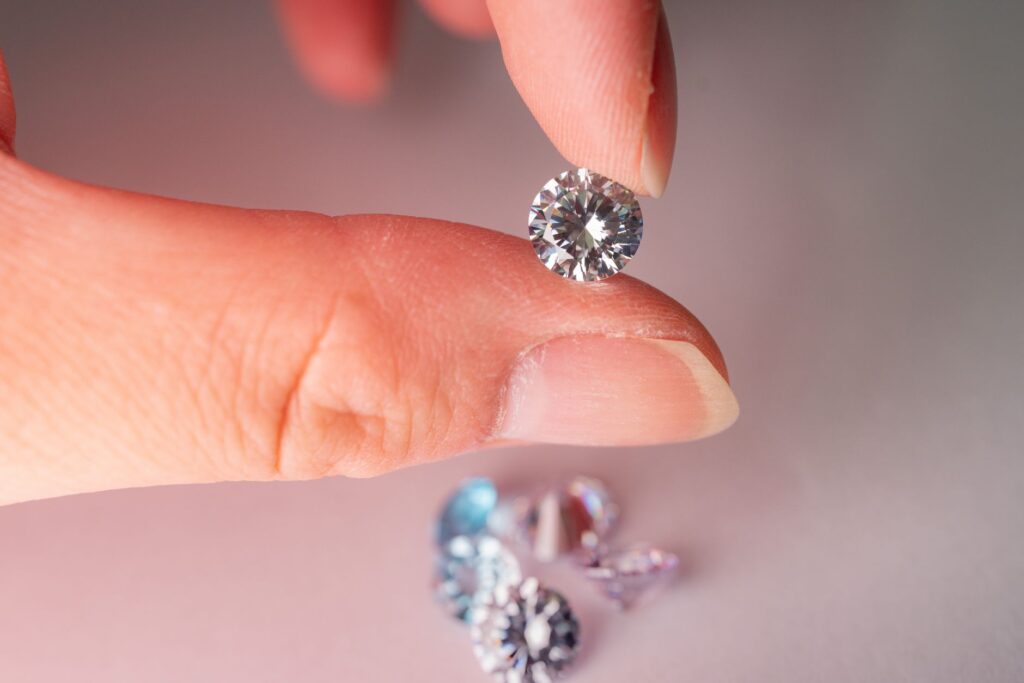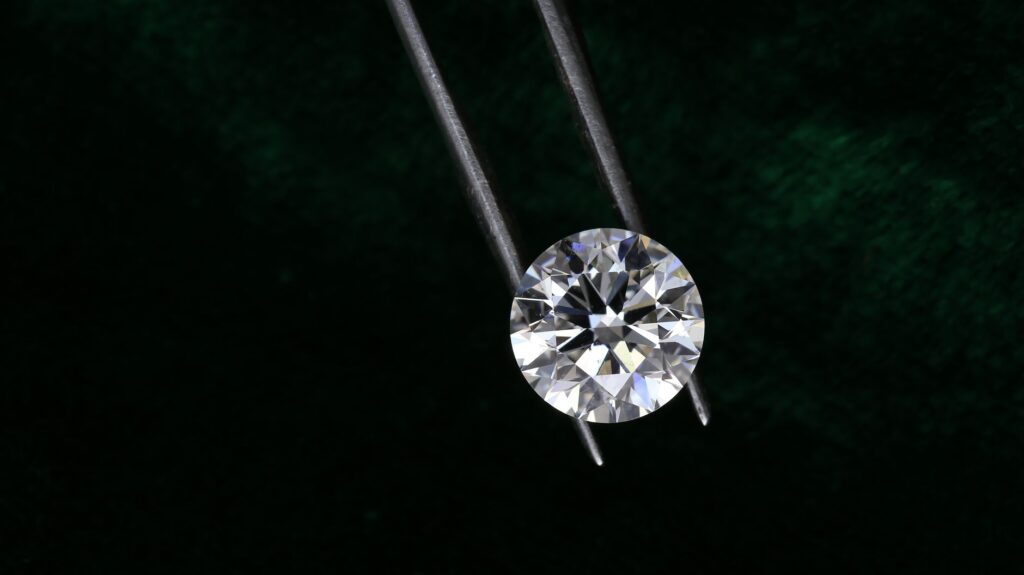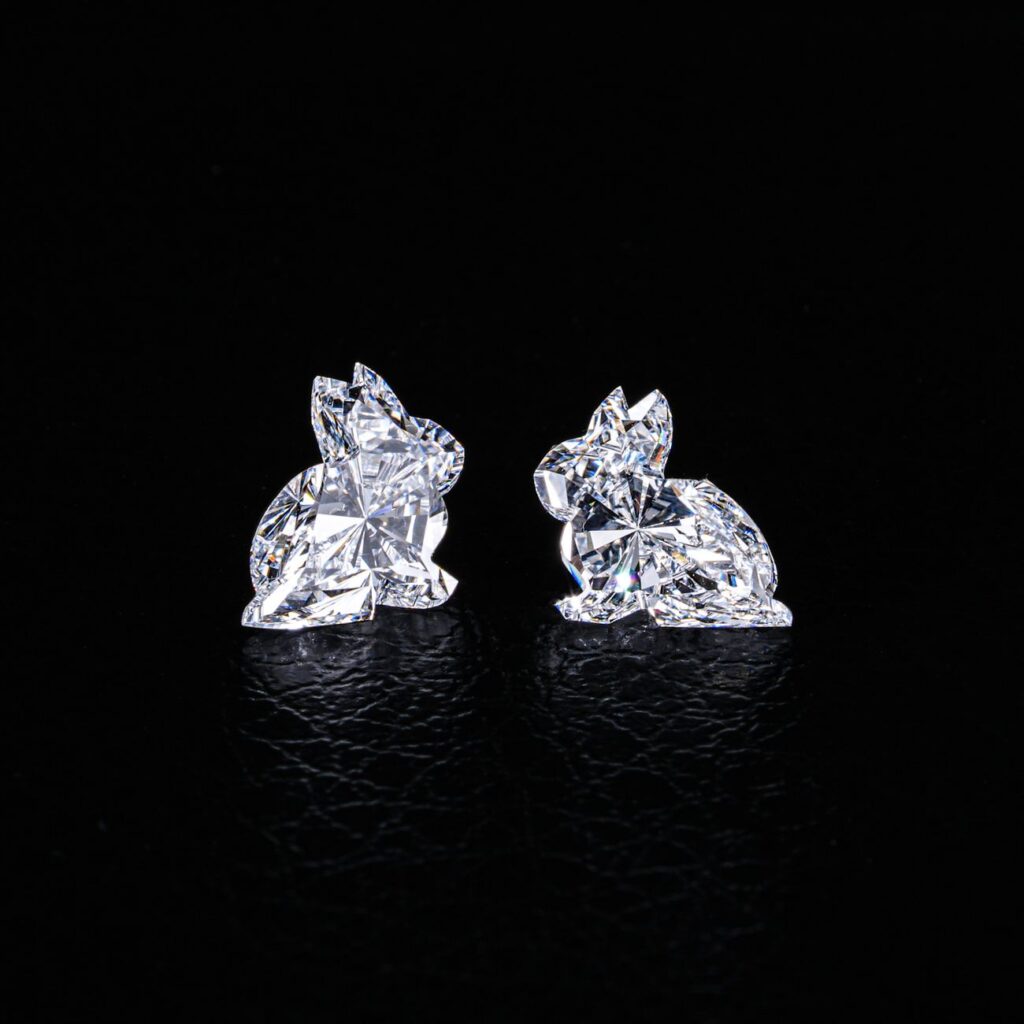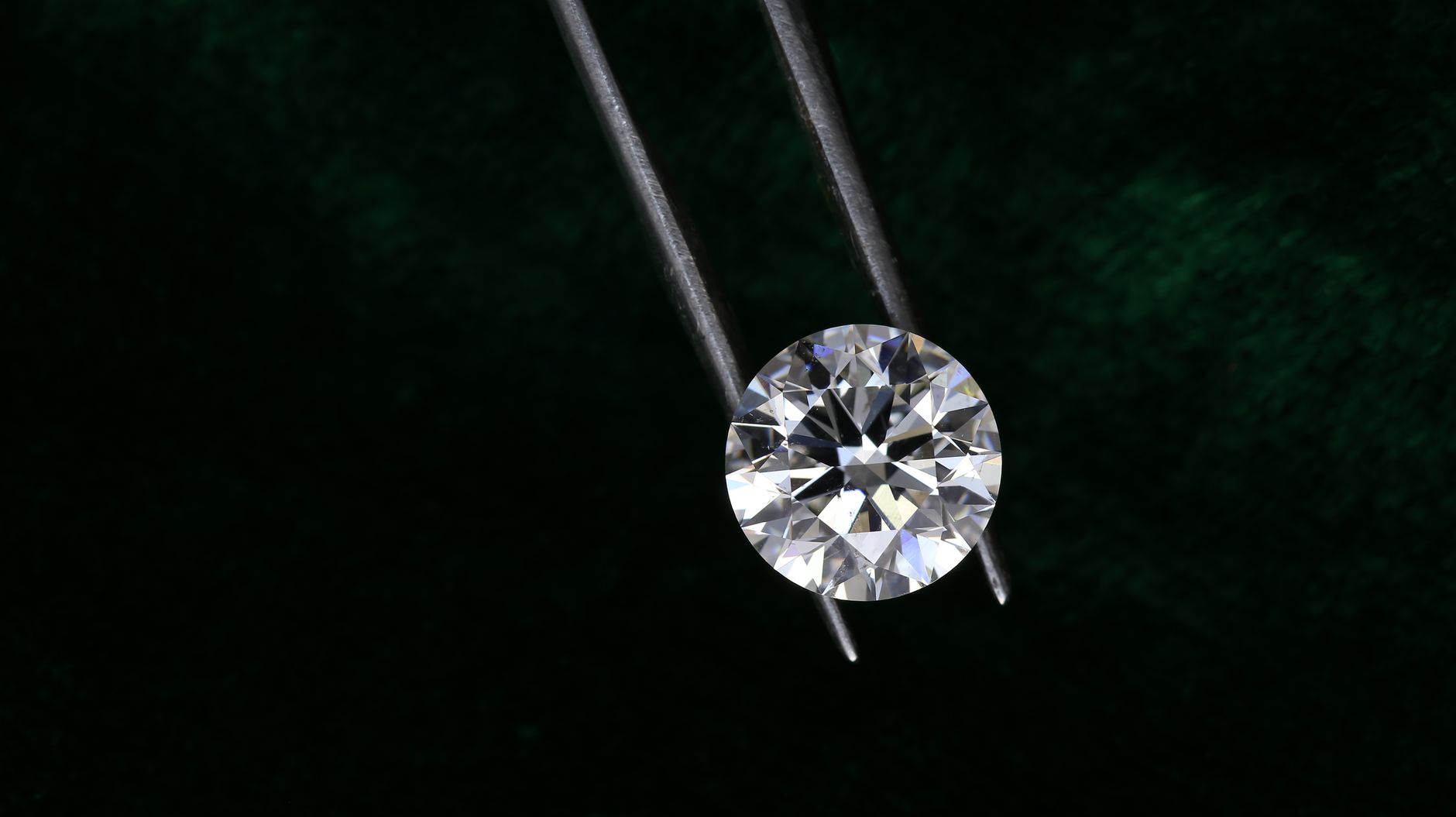
A 0.75 carat diamond often looks larger in online photos than it does in person, yet on the hand it can still appear balanced, elegant, and substantial. That contrast is why size expectations matter. A three-quarter carat diamond sits in a range where some buyers see it as a smart middle ground, while others worry it may look too small compared with the popular 1 carat benchmark.
The right answer depends less on the carat number alone and more on what the diamond actually measures across the top, how it is cut, what shape it is, the wearer’s finger size, and how the ring is designed. A well-cut 0.75 carat diamond can look impressively bright and refined. A poorly cut one can look smaller than expected.
For buyers trying to balance appearance, budget, and quality, this weight is worth a close look. It is often large enough to feel like a true center stone, but small enough to avoid some of the steep price jumps attached to magic sizes such as 1.00 carat.
Quick Answer
Yes, a 0.75 carat diamond is big enough for many buyers. In a round diamond, it usually measures about 5.7 to 5.9 mm across, which gives a visible and attractive presence on the hand. It is smaller than a 1 carat diamond, but not dramatically so in everyday viewing.
Whether it feels big enough depends on several practical factors:
- Finger size: It looks larger on smaller fingers and more modest on larger fingers.
- Shape: Oval, pear, marquise, and elongated radiant shapes can look larger than a round at the same weight.
- Cut quality: Better proportions usually improve sparkle and can help the diamond face up well.
- Setting style: Halos, slim bands, and delicate prongs can make the center stone look bigger.
- Personal expectations: Someone expecting a bold look may want to size up. Someone wanting balance and value may find 0.75 carat ideal.
In short, a 0.75 carat diamond is often big enough for buyers who want a noticeable diamond without paying the premium for a full carat. It is especially appealing when quality, cut, and value matter more than hitting a round number.
Understanding the Carat Concept
What diamond carat actually means
Carat is a weight measurement, not a direct size measurement. One carat equals 0.20 grams. That means a 0.75 carat diamond weighs 0.15 grams.
This matters because two diamonds can have the same carat weight but look different in size from the top. Weight can be distributed differently depending on cut proportions and shape. Some diamonds carry more of their weight in the depth, where you cannot easily see it face up.
What face-up size means
Face-up size refers to how large the diamond appears when viewed from the top, which is how it is seen once set in a ring. For most buyers, this is more useful than carat weight alone.
A 0.75 carat round brilliant typically has a diameter around 5.8 mm. That number gives a much more realistic idea of visible size than the carat number by itself.
Why measurements matter as much as carat
Shoppers often compare diamonds by carat only, but millimeter dimensions tell you what you will actually see. A well-cut 0.75 carat round with strong proportions may face up close to the upper end of the normal range. A deep-cut 0.75 carat may look smaller because more weight is hidden in the bottom.
That is why experienced buyers check both:
- Carat weight
- Length and width measurements
- Depth percentage
- Table percentage
- Overall cut quality
What a magic size diamond is
A magic size is a round-number carat weight that carries extra demand in the market, such as 0.50, 0.75, 1.00, 1.50, and 2.00 carats. Buyers often focus on these milestones because they are familiar and easy to compare.
The downside is that prices often jump at these thresholds, even when the visual size increase is small. A 0.75 carat diamond can still be a value-conscious choice, but there may be cases where a 0.70 or 0.73 carat diamond looks very similar while costing less.
What Buyers Usually Expect
Expecting the carat number to predict appearance
A common assumption is that 0.75 carat should look three-quarters as large as 1 carat in a simple, obvious way. In real life, visual size does not scale that neatly. Diamond dimensions increase gradually, not dramatically, as carat weight rises.
That means a 0.75 carat diamond is visibly smaller than a 1 carat diamond, but it is not a tiny version of one. The difference can look meaningful in side-by-side comparison. On its own, however, a well-cut 0.75 carat can still look substantial.
Using social media and close-up photos as a reference
Close-up photography can distort expectations. Diamonds are often shown magnified, carefully lit, and placed on smaller hands. A center stone that appears large in a photo may look more modest in normal daily viewing distance.
This is especially true in online ring shopping. A 0.75 carat diamond can seem smaller than expected if the buyer has only viewed enlarged product images. That does not mean the diamond is too small. It means the reference point was unrealistic.
Thinking 1 carat is the minimum acceptable size
The market has made 1 carat a symbolic target, especially for engagement rings. That has led some buyers to assume anything under 1 carat is not enough. In practice, this is a preference issue, not a quality rule.
A 0.75 carat diamond can be a very sensible choice for someone who values balance, comfort, and cut quality. It may also allow room in the budget for better color, clarity, setting craftsmanship, or certification.
Overlooking finger size and ring style
A diamond does not look the same on every hand. On a size 4 finger, a 0.75 carat round can provide strong finger coverage. On a size 8 finger, the same stone may look more understated.
The band also changes the visual effect. Thin bands make center stones stand out more. Wide bands can make the same diamond seem smaller by comparison.
What It Actually Looks Like
Typical face-up size of a 0.75 carat round diamond
A well-cut 0.75 carat round diamond usually measures approximately 5.7 to 5.9 mm in diameter. That places it in a range that is clearly visible and proportionate for everyday wear.
For perspective, a 1.00 carat round often measures around 6.4 to 6.5 mm. That sounds like a small difference numerically, but spread across the surface area, it does create a noticeable increase. Still, 0.75 carat does not look small in the way a quarter-carat or one-third-carat diamond might.
How it appears on the hand
On the hand, a 0.75 carat center stone usually reads as a classic, refined size. It has enough presence to be immediately visible, especially in a solitaire or halo engagement ring. It tends to look tasteful rather than oversized.
In everyday social settings, most viewers are not comparing millimeter dimensions. They see overall brightness, ring style, and proportion. A lively 0.75 carat diamond in a well-designed setting can make a stronger impression than a larger but poorly cut stone.
Finger coverage expectations
Finger coverage refers to how much of the finger width the diamond visually occupies. This strongly affects whether a stone feels large, medium, or small.
Here is a rough idea of how a round 0.75 carat diamond may look on different finger sizes:
| Finger Size | Visual Effect of a 0.75 Carat Round |
|---|---|
| Size 4 to 4.5 | Looks fairly prominent and balanced |
| Size 5 to 6 | Looks classic and noticeable |
| Size 6.5 to 7.5 | Looks moderate, elegant, and practical |
| Size 8 and above | May look more modest unless paired with a size-enhancing setting |
How noticeable the difference is from 1 carat
The visual jump from 0.75 to 1.00 carat is real, but buyers often overestimate how dramatic it will be in normal viewing. Side by side, the 1 carat stone usually looks larger and slightly more commanding. Worn alone, a 0.75 carat diamond still presents as a legitimate center stone, not a compromise that is automatically obvious.
The practical question is whether the added size is worth the price increase. In many cases, the answer depends on whether the buyer values visual spread more than quality upgrades or total budget control.
Factors That Change Apparent Size
Shape
Shape has a major effect on how large a diamond looks. A 0.75 carat round and a 0.75 carat oval weigh the same, but the oval often appears larger because it has a longer outline and more surface spread.
Shapes that often look larger face up include:
- Oval
- Pear
- Marquise
- Elongated radiant
- Emerald cut, depending on proportions
Round diamonds usually carry some weight in depth to support their cut pattern and sparkle. They remain the most popular shape, but they are not always the most size-efficient shape.
Cut quality
Cut quality affects both sparkle and visible size. In plain terms, cut describes how well a diamond’s proportions and facet arrangement handle light. A well-cut diamond looks brighter, more lively, and often more appealing overall.
For round diamonds, a stone that is too deep may face up smaller because extra weight is hidden underneath. A stone that is too shallow may look larger across the top but can lose brilliance or appear glassy.
The goal is not the largest millimeter spread at any cost. The goal is a balanced diamond that looks bright and appropriately sized.
Depth and proportions
Depth percentage is the relationship between the diamond’s height and width. If a 0.75 carat diamond is cut too deep, you may be paying for weight that does not translate into visual size. This is one of the most common reasons a diamond looks smaller than expected.
Buyers who focus only on carat can miss this issue. Checking the millimeter measurements helps reveal whether the stone is facing up well for its weight.
Setting design
The setting can change apparent size more than buyers expect. A few examples:
- Halo settings: Surround the center with smaller diamonds, creating a larger overall look.
- Thin bands: Make the center stone appear more prominent.
- Wide bands: Can make the center look smaller by comparison.
- Cathedral settings: Lift the stone visually, which can increase presence.
- Minimal prongs: Expose more of the diamond’s outline.
A 0.75 carat diamond in a slim solitaire may look clean and classic. The same diamond in a halo may look significantly larger from across the room.
Color and clarity choices
Color and clarity do not directly increase dimensions, but they influence overall appearance. A bright, eye-clean diamond often looks more attractive and noticeable than a larger stone with visible inclusions or a tint the buyer does not enjoy.
This is one reason some buyers choose a 0.75 carat diamond over a lower-quality 1 carat option. The smaller diamond may deliver a better total look.
Real-World Size Examples
0.75 carat round on a size 4 finger
On a smaller finger, a 0.75 carat round can look quite impressive. The stone may cover enough width to feel prominent without looking oversized. For buyers with petite hands, this weight often lands in a very pleasing range.
It can also pair well with delicate bands, creating a balanced and elegant look that still gives the center diamond clear visual importance.
0.75 carat round on a size 7 finger
On a size 7 finger, a 0.75 carat round usually looks moderate and classic. It is visible and attractive, but less dominant than it would be on a smaller finger. Some buyers love this proportion because it feels practical and timeless.
Others who want stronger finger coverage may prefer an elongated shape, a halo setting, or a modest size increase to around 0.90 or 1.00 carat.
0.75 carat oval vs 0.75 carat round
An oval of the same carat weight often appears larger than a round because it stretches longer across the finger. This can make a 0.75 carat oval feel closer in visual presence to a slightly heavier round diamond.
| Diamond Type | Typical Visual Impression | Notes |
|---|---|---|
| 0.75 Carat Round | Balanced, classic, bright | Strong sparkle, slightly more compact outline |
| 0.75 Carat Oval | Longer, larger-looking, graceful | Can offer more finger coverage |
0.75 carat vs 0.90 carat
The step from 0.75 to 0.90 carat can be meaningful for buyers focused on size. A 0.90 carat round often measures around 6.1 to 6.2 mm, which gives a noticeable increase in spread. It may still avoid some of the pricing premium attached to a full 1 carat.
For buyers unsure whether 0.75 is big enough, 0.90 carat is often a useful comparison point because it provides more presence without always making the same budget jump as 1.00 carat.
0.75 carat vs 1.00 carat
This is the comparison most buyers care about. Here is a practical side-by-side overview:
| Feature | 0.75 Carat Round | 1.00 Carat Round |
|---|---|---|
| Typical Diameter | 5.7 to 5.9 mm | 6.4 to 6.5 mm |
| Visual Presence | Classic and noticeable | More substantial and more obvious |
| Finger Coverage | Moderate | Stronger |
| Price | Usually lower | Usually significantly higher |
| Value Efficiency | Often strong | Can carry premium pricing |
In daily wear, people will usually notice that the 1 carat stone looks larger. The question is whether that extra presence matters enough to justify the higher cost.
Price vs Visual Benefit
Why the price jump can be steep
Diamond pricing does not rise in a straight line. It tends to jump at popular thresholds, and 1.00 carat is one of the biggest examples. That means the move from 0.75 to 1.00 carat often costs more than the visual difference alone might suggest.
This is especially important for buyers trying to stay within a defined budget. Spending more for a higher carat number can lead to trade-offs in cut, color, clarity, or setting quality.
Diminishing returns in visible size
As diamonds get heavier, each added fraction of a carat tends to cost more, while the visual increase becomes more incremental. The difference from 0.50 to 0.75 carat can feel substantial. The difference from 0.75 to 1.00 carat is visible, but the price increase may be disproportionately large.
This is where the idea of visual value becomes useful. A diamond can offer strong visual impact without sitting at a headline carat weight.
When 0.75 carat can be the smarter value
A 0.75 carat diamond often makes sense when a buyer wants:
- A noticeable center stone
- Better cut quality within budget
- Higher color or clarity without overspending
- A more balanced ring rather than a size-driven purchase
- To avoid a large premium for a magic size
In practical terms, a well-cut 0.75 carat diamond can outperform a poorly chosen 1 carat in overall beauty.
Lab grown diamond context
Lab grown diamonds have changed the size conversation because they usually cost much less than natural diamonds of similar quality. That means buyers who would normally choose 0.75 carat in a natural diamond may be able to afford 1.00 carat or more in a lab grown option.
This can be helpful, but it does not automatically mean sizing up is the best choice. Buyers still need to consider cut quality, proportions, setting design, and personal taste. A larger lab grown diamond can offer excellent budget efficiency, but the ideal size still depends on the look the buyer wants.
Lab grown diamonds also come with trade-offs to understand. They have the same physical and optical properties as natural diamonds, but resale markets are generally weaker. For buyers focused on appearance rather than long-term resale value, that may be acceptable. For others, it is an important part of the decision.
Who Should Size Up
Buyers who want stronger finger coverage
If the goal is a more noticeable look from conversational distance, 0.75 carat may feel modest, especially on larger fingers. In that case, moving to around 0.90 or 1.00 carat can give more presence.
Buyers with larger ring sizes
On fingers around size 7.5, 8, or above, a 0.75 carat center stone may look smaller relative to the hand. That does not make it unattractive, but some buyers prefer more spread. Elongated shapes can help, as can a modest carat increase.
Buyers who prefer a more bold visual style
Some ring designs are meant to stand out. If the desired style is statement-oriented rather than classic and restrained, a larger center stone may better match the look. This is particularly true for plain solitaires, where the center diamond does most of the visual work.
Buyers using lab grown diamonds for budget flexibility
If choosing lab grown allows a buyer to move from 0.75 to 1.00 or 1.25 carat without sacrificing cut and quality, that may be a reasonable use of budget. The visible gain can be worthwhile for buyers who care strongly about center stone presence.
Who Can Save Money
Buyers who care more about overall beauty than milestone numbers
A buyer who values brilliance, balance, and craftsmanship may be completely satisfied with 0.75 carat. This is often true when the ring is meant to feel elegant rather than oversized.
Buyers with smaller fingers
On smaller hands, 0.75 carat can already look substantial. In these cases, paying much more for a larger stone may deliver a smaller practical benefit.
Buyers choosing size-enhancing settings
Halo designs, thin bands, and elongated shapes can make a 0.75 carat diamond look larger. If the visual goal can be reached through design, there may be no need to size up.
Buyers prioritizing cut, color, or clarity
Budget often forces trade-offs. Choosing a 0.75 carat diamond can free up money for stronger cut quality, a more colorless appearance, or an eye-clean clarity grade. Those improvements can matter more to daily enjoyment than a modest carat increase.
Common Buyer Mistakes
Chasing the 1 carat number
Buying decisions driven by carat milestones can lead to overpayment. A diamond just under 1 carat may look very similar while costing less. A 0.75 carat diamond can also be the better-balanced choice if it allows for better overall quality.
Ignoring millimeter measurements
Carat alone does not tell you how large the diamond will look. Always check length and width. This is one of the simplest ways to avoid buying a deep stone that faces up small.
Assuming all 0.75 carat diamonds look alike
They do not. Shape, cut, depth, and setting can all change appearance. One 0.75 carat diamond may look lively and well-sized, while another feels smaller and duller.
Comparing photos rather than proportions
Online images vary in magnification and styling. Measurements, grading information, and real-world context are more reliable than visual impressions from enlarged photos.
Overlooking the role of finger size
A stone that looks perfect on one hand may feel too modest or too bold on another. Buyers should always judge size relative to the wearer’s ring size and style preferences.
Paying too much for a magic size
A 0.75 carat diamond can be a magic size too, depending on market pricing. In some cases, a 0.70 to 0.74 carat diamond may offer nearly the same look for less money. This is worth considering if value is a priority.
Frequently Asked Questions
Is a 0.75 carat diamond too small for an engagement ring?
No. A 0.75 carat diamond is not too small for an engagement ring. It is a classic and widely accepted center stone size. Whether it feels right depends on finger size, setting style, and personal preference.
Does a 0.75 carat diamond look noticeably smaller than 1 carat?
Yes, there is a visible difference, especially side by side. However, the difference is often less dramatic in normal daily wear than buyers expect. On its own, a well-cut 0.75 carat diamond still looks substantial.
How many millimeters is a 0.75 carat diamond?
A round brilliant 0.75 carat diamond usually measures about 5.7 to 5.9 mm in diameter. Other shapes vary. Oval, pear, and marquise diamonds may look larger because they have longer outlines.
Can a 0.75 carat diamond look bigger?
Yes. Choosing an elongated shape, a halo setting, a thin band, and strong cut quality can all help a 0.75 carat diamond appear larger. Good proportions also matter because overly deep stones can face up smaller than expected.
Is 0.75 carat a good value?
Often, yes. It can offer a useful balance between visible size and price. Buyers may avoid some of the premium associated with 1 carat while still getting a diamond that looks clearly noticeable on the hand.
Should I choose 0.75 carat natural or go bigger with lab grown?
That depends on priorities. If budget efficiency and larger size matter most, a lab grown diamond may allow a bigger stone for the same money. If natural origin is important to you, a 0.75 carat natural diamond may be the right balance. Both options should be evaluated for cut quality, certification, and overall appearance.
What shape makes a 0.75 carat diamond look the biggest?
Marquise, pear, and oval shapes often appear larger than round diamonds of the same weight because they spread more across the finger. Round diamonds usually offer a different advantage, which is a classic shape and strong sparkle performance.
Is 0.75 carat better than 0.50 carat?
In terms of visible size, yes, the difference is usually quite noticeable. A 0.75 carat diamond generally feels more like a full center stone, while a 0.50 carat diamond can look more delicate. Whether it is better overall depends on budget and style goals.
How to Decide if 0.75 Carat Is Big Enough for You
Think in terms of look, not just weight
Start with the appearance you want on the hand. Do you want subtle and classic, balanced and noticeable, or bold and attention-grabbing? A 0.75 carat diamond fits best in the middle category for many buyers, especially when well cut and well set.
Use finger size as a practical reference
If the wearer has smaller fingers, 0.75 carat may already provide excellent coverage. If the wearer has larger fingers, consider whether you prefer a modest look or want more spread from the center stone.
Prioritize cut quality
If you are deciding between a larger but mediocre diamond and a well-cut 0.75 carat diamond, the better-cut stone is often the more attractive choice. Sparkle, brightness, and balance influence perceived beauty every day.
Compare near sizes before deciding
If possible, compare 0.75 carat with nearby sizes such as 0.70, 0.80, 0.90, and 1.00 carat. The visual differences are not always as large as the price differences. This is one of the best ways to identify where value levels off for your budget.
Consider the whole ring
The center stone does not exist in isolation. Band width, side stones, setting style, and overall design all affect how large the ring appears. Sometimes the best choice is not a larger diamond, but a better design around the diamond.
Conclusion
For a large number of buyers, the answer to is a 0.75 carat diamond big enough is yes. It is typically large enough to look clearly visible, attractive, and well-proportioned, especially when cut well and paired with a suitable setting. It is not as large as 1 carat, but it is also not a minor or insignificant size.
The most important point is that carat weight alone does not determine how a diamond will look. Face-up dimensions, cut quality, shape, finger size, and ring design all play major roles. A 0.75 carat round usually offers a classic and balanced appearance, while elongated shapes can make the same weight look larger.
From a value perspective, 0.75 carat often sits in a practical sweet spot. It can provide meaningful presence without forcing the buyer into the steep pricing of larger milestone weights. For buyers open to lab grown diamonds, it may also serve as a useful comparison point when deciding whether to prioritize size or overall budget efficiency.
The best approach is to judge the diamond by what you will actually see on the hand, not just by the number on the grading report. When expectations are based on real measurements and real-world appearance, a 0.75 carat diamond often proves to be more than enough.