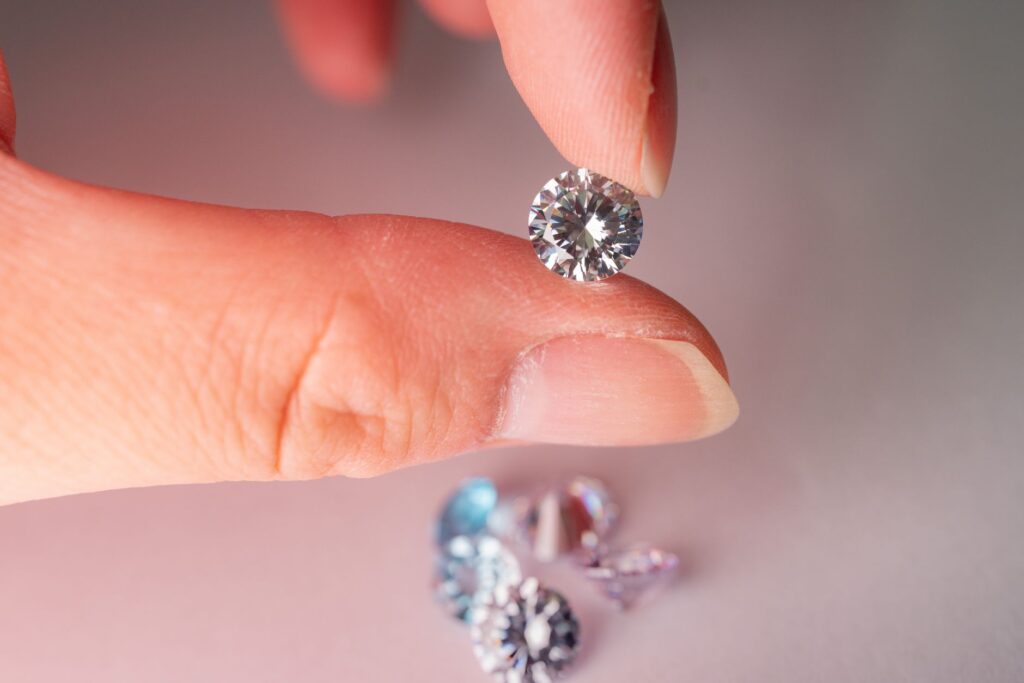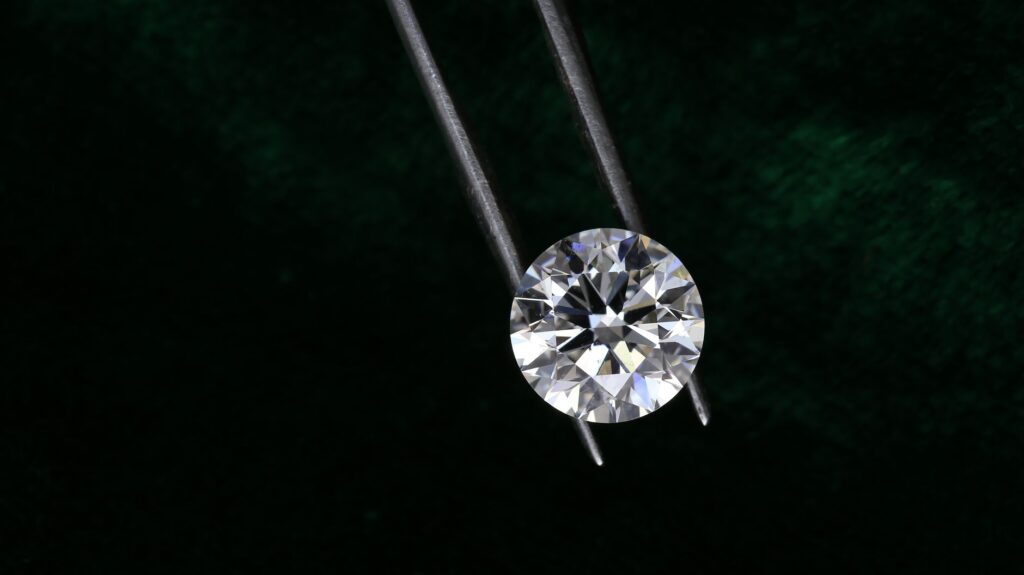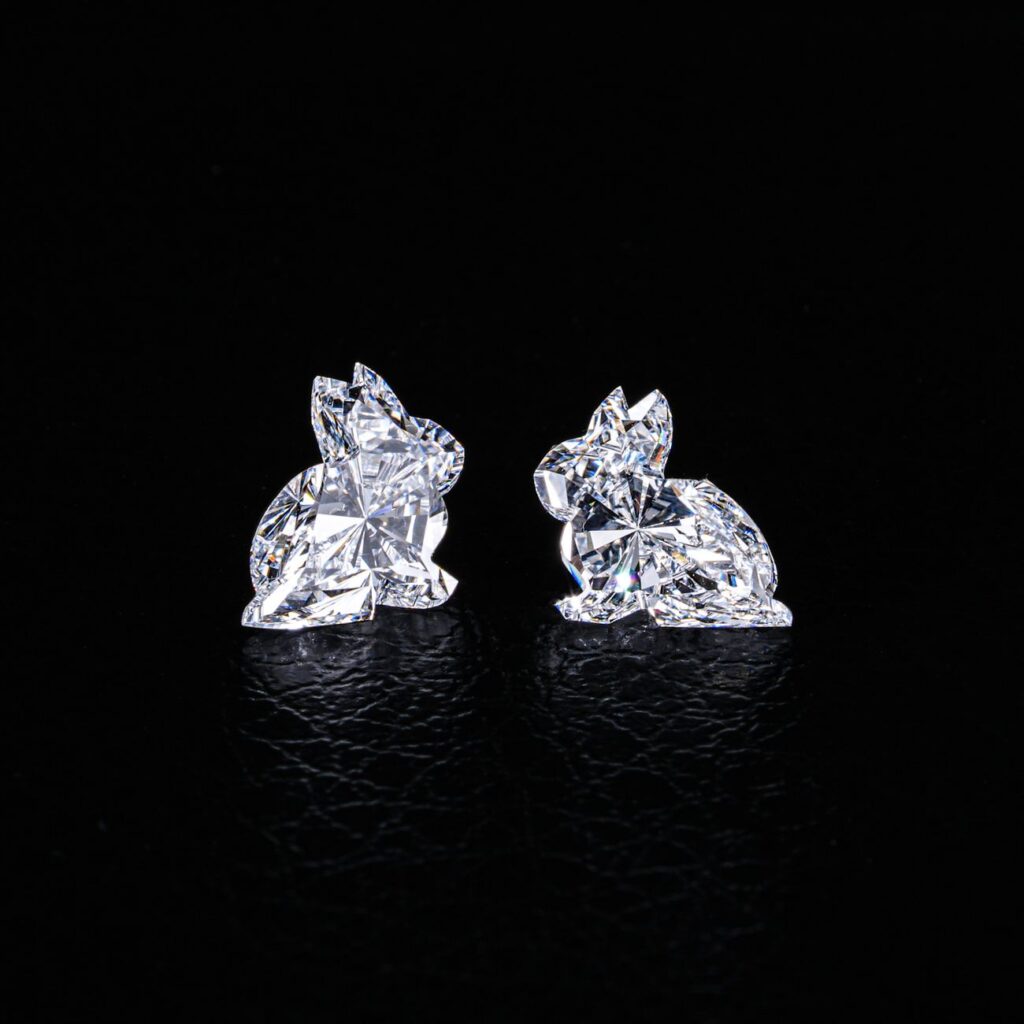
When shoppers ask, does cut matter more than clarity, the short answer is usually yes. For most buyers, cut has a larger effect on how a diamond looks to the naked eye than clarity does. A well-cut diamond can look brighter, livelier, and more attractive than a larger or cleaner diamond with poor proportions.
That does not mean clarity is unimportant. Clarity still affects a diamond’s appearance, especially if inclusions are large, dark, or placed in the center of the stone. But in everyday viewing conditions, cut is often the quality factor that most strongly controls sparkle and overall beauty.
This matters even more when you are shopping for lab grown diamonds, where buyers often get more size for the budget and then need to decide where to spend the rest of their money. Understanding the relationship between cut and clarity can help you avoid paying for details that are hard to see while focusing on the features that shape the diamond’s real-world appearance.
Quick Answer
Yes, cut usually matters more than clarity for visual beauty. A diamond with excellent cut can appear brighter and more brilliant even if its clarity grade is lower, as long as the inclusions are not obvious face-up. By contrast, a diamond with high clarity but poor cut may look dull, less lively, or smaller than expected.
If you are choosing between better cut and better clarity, many buyers are happier prioritizing cut first. Clarity becomes more important when inclusions are visible without magnification, affect transparency, or are placed where they are easy to notice.
The practical goal is not to choose the “best” grade on paper. It is to choose a diamond that looks beautiful in normal life, in normal lighting, within your budget.
What Diamond Cut Really Means
Diamond cut is often misunderstood because the word “cut” can refer to more than one thing. In casual shopping language, it usually means how well a diamond has been shaped and proportioned to return light. In grading reports, especially for round brilliant diamonds, cut quality may include proportions, symmetry, and polish.
Cut is not the same as shape. Shape tells you whether a diamond is round, oval, cushion, emerald, pear, or another outline. Cut quality describes how successfully the stone was fashioned to handle light. A round diamond can have excellent cut or poor cut. The same is true for many fancy shapes.
What makes cut so important?
Cut affects how much light enters a diamond, how much returns to your eye, and how the stone behaves as it moves. This is why cut influences several visible qualities at once, including brightness, fire, sparkle, and contrast.
Even a colorless diamond can look flat if the cut is weak. On the other hand, a diamond with a slightly lower clarity grade can look stunning if its cut is excellent. That is why many diamond professionals consider cut the most important factor for appearance.
Cut grade versus overall cut quality
For round brilliant diamonds, grading labs such as GIA assign cut grades like Excellent, Very Good, Good, Fair, and Poor. These grades are based on measurements and observed performance. Other shapes often do not receive the same detailed cut grade, which means buyers need to pay closer attention to proportions, symmetry, and visual inspection.
It is also important to remember that a lab grade is helpful, but not perfect. Two diamonds with the same cut grade can still look a little different in person. Small differences in proportions, symmetry, and finishing can affect performance.
What Clarity Really Means
Clarity refers to the presence of internal features called inclusions and surface features called blemishes. Most diamonds have some of these natural characteristics. The clarity grade tells you how easy those features are to see under magnification and, in some cases, with the unaided eye.
Clarity matters because large or dark inclusions can draw attention away from the diamond’s beauty. It also matters if an inclusion affects transparency, especially in lab grown diamonds where some growth-related features can be more noticeable in certain stones.
Why clarity is not always visible to shoppers
Many clarity differences are difficult or impossible to see without magnification. A VS1 or VS2 diamond may look just as clean to the eye as a much higher clarity stone, depending on inclusion type, placement, and shape. That is why clarity often has diminishing returns once you reach grades that are clean enough for everyday viewing.
This is one reason buyers often find better value by choosing a diamond with strong cut and a practical clarity grade rather than chasing very high clarity without considering overall beauty.
Why Cut Often Matters More Than Clarity
Cut affects the first thing most people notice about a diamond: sparkle. If light is not being returned well, the diamond may look less brilliant even if it is internally flawless or nearly so. The stone can appear sleepy, grayish, or smaller than its carat weight suggests.
Clarity, in contrast, usually becomes visible only when inclusions are large enough, dark enough, or poorly placed. For many shoppers, especially when buying online or viewing stones under store lighting, the visual impact of cut is easier to notice than the impact of small clarity differences.
In simple terms, cut influences how beautiful the diamond looks overall. Clarity influences whether certain imperfections can be seen. Both matter, but not in the same way.
The buyer’s perspective
If you are spending a significant amount on an engagement ring or a standalone diamond, you likely want the stone to look lively from across a room and up close. A diamond with strong cut quality is more likely to deliver that result. A high clarity grade alone does not guarantee visual appeal.
Many experienced jewelers will tell buyers to first protect cut quality, then choose a clarity grade that looks clean to the eye. That approach tends to produce better real-world results than chasing top clarity at the expense of light performance.
How Cut Affects Appearance
Cut influences several visual traits at the same time. Buyers often hear terms like brilliance, fire, and scintillation, but these are easier to understand when tied to what you actually see.
Brilliance
Brilliance is the overall white light returned from a diamond. In practical terms, it is the brightness that gives a diamond its lively look. A well-cut diamond reflects more light back to the viewer, which makes the stone appear more vivid and attractive.
When cut is weak, brilliance drops. The diamond may have areas that look dark or washed out even under decent lighting.
Fire
Fire is the colorful flash you see when a diamond disperses white light into spectral colors. People often notice fire when the diamond is moved under spot lighting or sunlight. Good cut helps fire appear in a balanced, attractive way rather than looking overly muted or overly scattered.
Fire is usually more noticeable in some shapes than others, and it can be influenced by lighting conditions. It is one reason a diamond may look more lively in motion than when viewed still.
Scintillation
Scintillation is the pattern of sparkle and contrast you see as the diamond or the observer moves. It includes the flashes of light and the play between bright and dark areas. Good scintillation helps a diamond look dynamic rather than flat.
Buyers often notice scintillation instinctively, even if they do not know the term. A diamond with strong cut tends to “come alive” as it moves, while a poorly cut stone may look less exciting.
Light return
Light return is the amount of light that enters the diamond and comes back out through the top. It is the foundation of brilliance. When light leaks out the bottom or sides instead of returning to the eye, the diamond can look less bright.
Light leakage is not always visible on a grading report alone. This is why real-world viewing matters. A diamond may look fine on paper but underperform in person if the proportions are off.
Face-up appearance
Face-up appearance is how a diamond looks when viewed from the top, which is how most people see it in jewelry. Cut strongly affects whether the diamond appears its expected size, brightness, and shape.
Two diamonds with the same carat weight can face up differently. One may look larger and more lively because it was cut efficiently. Another may appear smaller or darker because more weight was hidden in the depth instead of being used for visible spread.
How Clarity Affects Appearance
Clarity matters most when inclusions are visible without magnification or disrupt the stone’s transparency. This is especially true in larger diamonds, stones with step cuts such as emerald cut, and diamonds with dark crystals near the center.
For many round brilliant diamonds, a clarity grade in the VS or even lower SI range can still appear eye-clean. “Eye-clean” means you cannot easily see inclusions with normal unaided viewing. That is usually the practical standard most buyers care about.
When clarity becomes noticeable
Clarity differences are more likely to be noticeable when:
- Inclusions are dark, large, or numerous
- They sit in the center of the diamond
- The diamond has a large table or open facets
- The shape is more transparent, such as emerald or Asscher cuts
- The stone is viewed very closely in bright lighting
In lab grown diamonds, some clarity characteristics may have different visual patterns than in natural diamonds. This does not automatically make them better or worse. It simply means buyers should rely on both the grading report and careful visual inspection.
When clarity is less visible
Clarity is often less important when inclusions are small, pale, or located near the edge where prongs may cover them. Many shoppers never notice these inclusions in normal wear. In such cases, paying a large premium for a higher clarity grade may not produce a meaningful visual improvement.
This is one reason buyers often move down clarity a bit and improve cut or size instead. The result can be a more attractive diamond for the same budget.
Cut, Clarity, and the Real-World Shopping Trade-Off
Buying a diamond is rarely about choosing the highest grade in every category. It is about balancing the factors that actually affect what you see. For most shoppers, cut has the strongest influence on appearance, while clarity is important up to the point where inclusions stop being noticeable.
That means a diamond with excellent cut and practical clarity often looks better than a diamond with higher clarity but weaker cut. It also often offers better value because you are paying for visible beauty rather than invisible perfection.
| Factor | What it affects most | How visible is the difference? | Typical buyer priority |
|---|---|---|---|
| Cut | Brightness, sparkle, fire, overall beauty | Usually very visible | High |
| Clarity | Visible inclusions, transparency | Sometimes visible, often subtle | Moderate after eye-cleanness is reached |
| Carat | Size | Very visible | Depends on budget |
| Color | Whiteness or warmth | Moderately visible depending on grade and shape | Moderate |
This table is not meant to minimize clarity. Rather, it reflects how buyers usually experience these factors in person. Once a diamond is eye-clean, additional clarity upgrades often become less meaningful than cut improvements.
Practical Examples That Show the Difference
Examples can make the trade-offs easier to understand. The best choice depends on the type of diamond, the size, the shape, and how closely you expect to inspect it.
Example 1: A well-cut 1.5-carat diamond versus a poorly cut 2-carat diamond
At first glance, the 2-carat diamond may sound like the better deal because it is larger. But if the cut is poor, it may look dull, dark in the center, or less lively than expected. The 1.5-carat stone with excellent cut may appear more brilliant and attractive in everyday wear.
Many experienced buyers are surprised by this. A well-cut diamond can often look more impressive than a bigger stone that fails to return light well.
Example 2: Excellent cut versus Very Good cut in everyday lighting
The difference between Excellent and Very Good can be subtle or noticeable depending on the stone. In many cases, both look strong to the eye. However, an Excellent cut diamond is more likely to deliver top-tier brightness and balanced light performance, especially in varied lighting.
A Very Good cut diamond may still be a smart choice if it offers better value, especially when you have verified that it faces up well. The key is not to assume that every grade difference will be obvious in person.
Example 3: Higher clarity with poor cut versus lower clarity with excellent cut
Imagine a diamond graded VVS1 with weak cut and a diamond graded SI1 with excellent cut. The VVS1 stone may have fewer inclusions, but if the cut is poor, it can look less bright and less appealing. The SI1 stone may have a small inclusion that is difficult to see, while still delivering stronger sparkle and better overall beauty.
For many buyers, the second stone is the better real-world choice. It is a clear example of why the most expensive grade is not always the best value.
Example 4: Round brilliant versus step-cut shapes
In a round brilliant diamond, cut quality heavily influences sparkle and brightness. In step-cut shapes like emerald cut, clarity can be more noticeable because the large open facets act like windows. This means the balance between cut and clarity shifts slightly by shape.
Even so, cut remains extremely important in both cases. The priorities simply change a little depending on the design of the diamond.
How Cut and Clarity Work in Lab Grown Diamonds
Lab grown diamonds follow the same basic rules of light performance as natural diamonds. They still need good proportions, symmetry, and finishing to look their best. So if you are wondering whether cut matters more than clarity in lab grown diamonds, the answer is generally the same: yes, cut usually has the bigger impact on visible beauty.
One practical difference is pricing. Lab grown diamonds often allow buyers to purchase a larger or higher color stone for the same budget as a smaller natural diamond. That can make cut selection even more important, because a large lab grown diamond with weak cut can still look underwhelming despite its size.
Clarity in lab grown diamonds
Clarity grading works similarly for lab grown and natural diamonds, but some lab grown diamonds may show growth patterns or internal features that are associated with their creation method. These features do not automatically make a stone unattractive. Many lab grown diamonds have excellent clarity.
Still, buyers should inspect the diamond, especially if the stone is larger or if the clarity grade is lower. The grading report alone does not tell you whether the diamond looks clean and balanced face-up.
Cut quality in lab grown diamonds
Because lab grown diamonds can be produced in larger sizes and at lower prices than many natural diamonds, some shoppers become more carat-focused than cut-focused. That can lead to a common mistake: buying a bigger diamond that does not sparkle as well as a smaller one with better cut quality.
If you are comparing lab grown options, strong cut should remain a top priority. The optical behavior of the stone is still what the eye notices first.
What Buyers Actually Notice in Everyday Lighting
Most people do not examine a diamond under ideal gemological lighting. They see it in offices, homes, restaurants, outdoors, and under mixed indoor light. That matters because a diamond that looks impressive in a grading photo may not perform the same way in daily life.
In ordinary conditions, buyers usually notice brightness, sparkle, and whether the diamond appears lively when it moves. They are less likely to notice tiny clarity differences unless the inclusions are easy to see.
Lighting environments that reveal cut differences
Cut differences tend to show up in:
- Mixed lighting, where a diamond must handle both bright and dim areas
- Office lighting, which may be flat and less forgiving
- Outdoor daylight, where sparkle and fire are easy to compare
- Spotlit retail displays, where poorly cut stones can show dark areas
A diamond with strong cut often performs more consistently across these settings. That consistency is one of the most practical benefits of good cut quality.
Lighting environments that reveal clarity differences
Clarity differences are more likely to be visible when you look closely under magnification, very bright jewelry-store lighting, or through the open facets of step cuts. In normal wear, many inclusions are not obvious.
This is why experienced buyers often say cut is what you notice, while clarity is what you verify. The statement is not absolute, but it captures how these factors tend to behave in practice.
How Cut Affects Value
Cut often provides one of the best returns on a diamond budget because it affects the stone’s visible beauty. Paying more for better cut can make sense when the improvement is noticeable to the eye, especially in round brilliant diamonds and in larger stones.
That said, there are limits. Once a diamond already has strong cut quality, paying extra for microscopic improvements may not produce a dramatic visual payoff. The value question becomes more nuanced at the top end of the market.
When paying more for cut makes sense
It usually makes sense to pay more for cut when:
- The diamond is currently showing weak brightness or dead spots
- You want the best sparkle possible in a visible center stone
- The diamond is large enough that cut quality is easy to see
- You are comparing a very good stone with an obviously superior one
In these cases, the added cost can translate directly into better appearance and greater long-term satisfaction.
When the premium may be smaller in practice
Once a diamond is already well cut, the difference between excellent and very excellent may be subtle. Some shoppers will notice it, but many will not. If the premium is large, the value may not be as strong unless you are especially focused on top-tier performance.
This is where careful comparison matters. A diamond does not need to be the highest possible grade to be beautiful.
How Cut and Clarity Affect Resale and Long-Term Value
Diamonds generally do not hold value in the same way as some other assets, so it is wise to be realistic. Cut and clarity can influence desirability, but they do not guarantee strong resale value. Market demand, brand, shape, size, and condition all matter.
That said, a diamond with strong cut and good eye appeal is usually easier to appreciate and potentially easier to resell than one that looks dull or visibly included. Buyers in the secondary market also care about what they can see.
Which factor tends to matter more to future buyers?
Future buyers, like current buyers, often respond first to sparkle and overall beauty. That means cut can continue to matter more than clarity once a stone is eye-clean. A visibly brilliant diamond is generally more appealing than a technically cleaner diamond that looks flat.
Still, resale value should not be the main reason to choose a diamond. It is better to buy a stone you expect to enjoy wearing.
How to Read Cut, Clarity, and Certification Together
A grading report is useful, but it should be read as part of a broader buying decision. For round diamonds, the report may give you a cut grade, polish grade, and symmetry grade. For many fancy shapes, the report may include clarity and proportions, but not a detailed cut grade that fully describes light performance.
Certification helps you compare stones objectively, but it does not always tell the full visual story. Two diamonds with similar grades can look different in person. That is why many buyers pair the report with actual images, videos, or expert guidance.
Cut grade
The cut grade summarizes how well a diamond’s proportions and craftsmanship support light return. It matters because it is one of the best indicators of sparkle potential. Buyers should take it seriously, especially for round diamonds.
However, a cut grade alone does not replace visual review. It is a strong starting point, not the whole answer.
Symmetry
Symmetry refers to how precisely the facets align with one another. Good symmetry can support balanced appearance and efficient light behavior. Poor symmetry may create visual irregularities or reduce the diamond’s crispness.
For most shoppers, minor symmetry differences are subtle, but they become more meaningful in higher-end stones or in diamonds with optical symmetry like Hearts and Arrows.
Polish
Polish describes the smoothness of the facet surfaces. Good polish helps light move cleanly across the stone. Poor polish can reduce visual sharpness, though small differences are usually hard to see without magnification.
Polish matters, but in most shopping situations it is usually secondary to overall cut performance.
Hearts and Arrows and Why Some Buyers Care
Hearts and Arrows is a pattern seen in some finely cut round brilliant diamonds when viewed with special tools. It indicates high optical symmetry, meaning the facets are aligned with unusual precision. This can be a sign of excellent craftsmanship, but it is not the only path to a beautiful diamond.
Buyers should understand that Hearts and Arrows is more of a performance clue than a universal requirement. Many excellent diamonds do not show a perfect Hearts and Arrows pattern, and some stones with the pattern may still need evaluation for other qualities.
What buyers actually see
Most shoppers do not see the Hearts and Arrows pattern in normal wear. What they may notice instead is a diamond that appears crisp, bright, and well balanced. The pattern is mainly useful as part of deeper quality evaluation, not as a feature you need to see every day.
Advantages of Prioritizing Cut Over Clarity
Prioritizing cut has several practical advantages for most buyers. It usually improves the visual impact of the diamond in a way that is immediately noticeable. It also helps you avoid spending extra money on clarity grades that may not change the way the diamond looks in everyday use.
- Better sparkle and brightness
- More attractive face-up appearance
- Greater chance the diamond looks lively in different lighting
- Better value for many budgets
- More satisfaction from a stone that looks beautiful rather than simply clean on paper
For engagement rings and daily-wear jewelry, these advantages often matter more than chasing very high clarity.
Disadvantages and Trade-Offs of Prioritizing Cut
Cut should not be prioritized so aggressively that clarity becomes a problem. If inclusions are obvious, distracting, or affect transparency, the diamond may still disappoint even if the cut is excellent. There is a practical minimum clarity threshold each buyer should respect.
Another trade-off is that focusing heavily on cut may require accepting a lower carat weight or slightly lower color grade to stay within budget. For some buyers, that is a worthwhile exchange. For others, the preferred balance may be different.
- Some stones with lower clarity may show visible inclusions
- Fancy shapes may require closer inspection of clarity and proportions
- Top cut grades can cost more, especially in premium sizes
- It may require compromises elsewhere in the diamond’s grading mix
The right balance depends on personal priorities and the specific diamond in front of you.
Common Buyer Mistakes
Many first-time buyers make the same avoidable mistakes when comparing cut and clarity. These mistakes usually happen because grading terms sound more important than they are in real life.
Prioritizing carat over cut
Bigger is easier to understand, so many shoppers focus on size first. But a larger diamond with weak cut can look underwhelming. A smaller diamond with excellent cut often has more visual impact.
Overpaying for clarity
Some buyers assume higher clarity automatically means a better-looking diamond. In reality, once a diamond is eye-clean, the extra money may not improve appearance much. That money might be better used for cut, color, or carat.
Ignoring light performance
Numbers on a grading report do not always tell you how the diamond looks in motion or in mixed lighting. Light performance is what gives a diamond life. Ignoring it can lead to disappointment.
Assuming all diamonds sparkle the same
This is one of the most common misconceptions. Sparkle depends heavily on cut, not just on carat weight or brand. Two diamonds with the same size can look dramatically different.
Focusing on microscopic defects
It is easy to get lost in grades that only matter under magnification. For most buyers, visible beauty matters more than microscopic perfection. A diamond should be judged by how it looks to the eye first.
How to Balance Cut and Clarity on Different Budgets
There is no single perfect formula, but there are practical guidelines. The right balance depends on your budget, the diamond shape, and how picky you are about visible imperfections.
Smaller budgets
When the budget is tighter, cut should usually remain the top priority. A well-cut diamond in a practical clarity grade often gives the best overall result. It is better to have a lively stone than a larger, cleaner one that looks lifeless.
Mid-range budgets
With more room to spend, you can refine clarity to find a diamond that is eye-clean and comfortable to inspect closely. This is also where buyers can make smarter trade-offs between color, carat, and cut quality.
Higher budgets
At higher price points, the goal often shifts from “good enough” to “best possible balance.” Cut still deserves priority, but clarity may rise in importance if you want a cleaner-looking stone or if the shape makes inclusions more visible. In larger diamonds, this becomes more relevant.
Frequently Asked Questions
Is a VS2 diamond better than an Excellent cut diamond?
These are different categories, so they are not directly comparable. Excellent cut describes light performance, while VS2 describes clarity. In most cases, a diamond with Excellent cut and a practical clarity grade is more appealing than a cleaner diamond with poor cut.
Can a lower clarity diamond still look better than a higher clarity one?
Yes. If the lower clarity stone is eye-clean and has stronger cut, it can easily look more beautiful. The visual impact of cut often outweighs minor clarity differences that are hard to see.
Should I ever choose clarity over cut?
Only if the clarity issue is not minor. If inclusions are visible, distracting, or affect transparency, improving clarity may be the right move. But once clarity is good enough for the eye, cut usually deserves more attention.
Does clarity matter more in lab grown diamonds?
Clarity still matters, but not usually more than cut. Lab grown diamonds can offer excellent clarity, so buyers often benefit from focusing on light performance and value rather than paying extra for perfection they cannot see.
What clarity grade is eye-clean?
There is no universal grade that guarantees eye-cleanliness. It depends on the shape, size, inclusion type, and placement. Many diamonds in the VS range are eye-clean, and some SI diamonds are as well. The best approach is to inspect the actual stone.
Is cut more important than color too?
For many buyers, yes. Cut often has the biggest influence on overall appearance, followed by color and clarity depending on the stone and the shape. A well-cut diamond can make color appear less noticeable than a poorly cut one.
Why do some diamonds with the same cut grade look different?
Because grading categories are broad. Two stones can both be rated Excellent or Very Good and still differ in proportions, symmetry, or optical behavior. That is why photos, videos, and expert review are useful.
What is the safest buying strategy?
For most buyers, the safest strategy is to choose strong cut first, then pick a clarity grade that is eye-clean, and only then fine-tune color and carat. This usually produces the best combination of beauty and value.
Conclusion
For most diamond buyers, cut matters more than clarity because cut has the greater impact on sparkle, brightness, and overall beauty. Clarity still matters, but usually only up to the point where inclusions become visible or interfere with transparency. After that, extra clarity often has diminishing visual returns.
If you are comparing diamonds, focus first on how the stone actually looks in normal light. A well-cut diamond with practical clarity is often the better choice than a cleaner diamond with weak light performance. That principle applies to both natural and lab grown diamonds.
The most useful next step is to compare diamonds with the eye, not just the grading report. Look for a stone that appears bright, lively, and clean enough face-up. That approach will usually lead to a more satisfying purchase than chasing a perfect number on paper.