Choosing between an oval and a round lab grown diamond is one of the most common shape decisions buyers face when shopping for engagement rings. Both shapes are brilliant-cut options that offer impressive sparkle, but they differ in visual proportions, face-up size, price per carat, and how they look on different finger types. This guide compares Oval vs Round Lab Grown Diamonds in practical detail, so you can decide which shape fits your priorities for appearance, budget, and long-term satisfaction.
Quick answer
If you want the maximum traditional brilliance, the round lab grown diamond is the safest choice because it is optimized for light performance and resists visible flaws. If you want a modern, elongated look that appears larger face-up for the same carat weight and can make fingers look longer, an oval lab grown diamond is a strong contender. Oval diamonds commonly cost less per carat than rounds, but they require more attention to cut proportions, length-to-width ratio, and bow tie effects. Choose round for proven optical performance and resale familiarity. Choose oval for face-up size, distinctive shape, and often better value per visible millimeter.
For ring shoppers seeking options, the Lab Grown Diamond ring roundup highlights top oval settings and budgets.
Understanding the shapes
What is a round lab grown diamond?
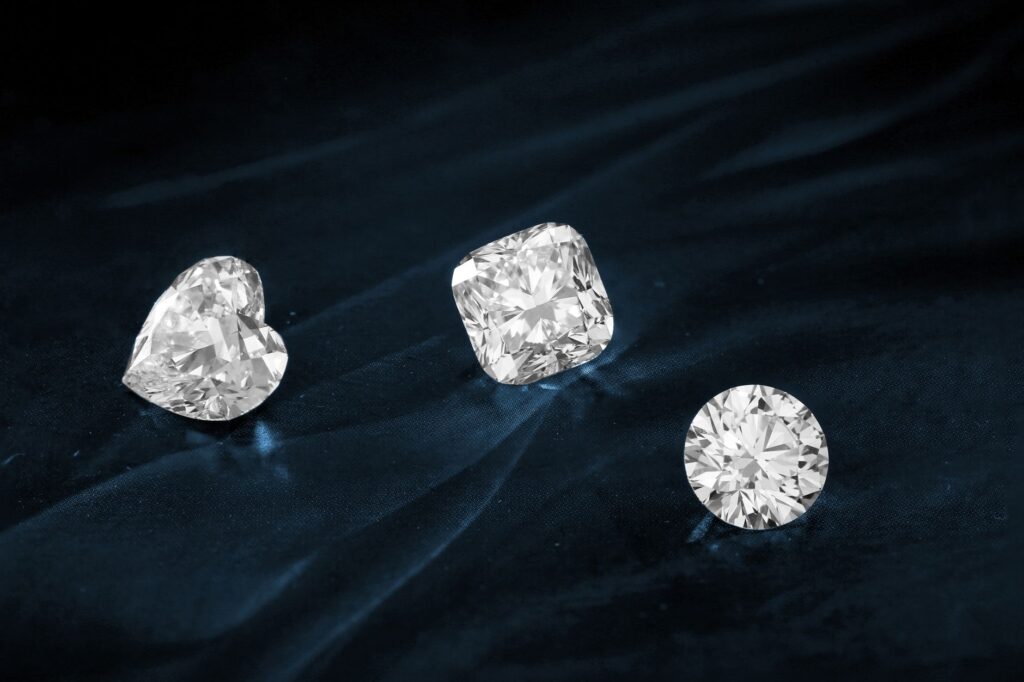
The round brilliant shape is a circular, brilliant-cut diamond with 58 facets in the standard modern cut. It is the most common and studied diamond shape. Round brilliants are designed to balance brilliance, fire, and scintillation so the diamond returns maximum light to the viewer. This shape is equally available in lab grown and natural diamonds, with lab grown options offering better value at many sizes.
What is an oval lab grown diamond?
An oval diamond is an elongated brilliant-cut shape. It uses the same facet pattern concept as a round brilliant, but stretched into an oval outline. The elongated shape increases the visible surface area for a given carat weight, so an oval often appears larger than a round of the same weight. Ovals can range from nearly round to distinctly elongated depending on the length-to-width ratio.
Key characteristics
Round lab grown diamond characteristics
- Cut performance: Optimized geometry for excellent light return and balanced sparkle.
- Face-up size: Standard for carat weight. Rounds prioritize depth for light performance, which can slightly reduce perceived size versus some fancy shapes.
- Symmetry and proportions: Critical; small deviations can reduce brilliance.
- Popularity: Most popular shape, high demand and resale familiarity.
- Price: Typically carries the highest price per carat due to demand and cutting yield.
Oval lab grown diamond characteristics
- Cut performance: Brilliant-cut pattern with potential for strong light return, but more dependent on proportions and symmetry than rounds.
- Face-up size: Often appears larger for the same carat weight because of the elongated outline and shallower average depth.
- Length-to-width ratio: Determines how round or elongated the oval appears. Common ratios fall between 1.30 and 1.50.
- Bow tie effect: A dark area across the center may be visible if proportions are not ideal. Some bow tie is normal, but it should not dominate the center.
- Price: Generally less expensive per carat than rounds in similar quality ranges.
Appearance and visual performance
Visual performance covers brilliance, fire, scintillation, face-up size, and how inclusions and color show up. Understanding why shapes differ will help you pick the diamond that meets your priorities.
Sparkle, brilliance, and fire
Round brilliants are engineered to prioritize ideal light return. Their facet geometry and symmetry mean they produce highly even brilliance and scintillation. Because of this optimization, rounds tend to deliver the most visually consistent sparkle across viewing angles.
Oval diamonds use a similar facet pattern, so they can be highly brilliant. However, their elongated shape can make light performance appear uneven if the cutter prioritizes face-up size over optimal proportions. Well-cut ovals can rival rounds in brilliance, but variability between stones is higher, so selection matters more.
Scintillation and patterning
Scintillation refers to the pattern of light and dark areas as the diamond moves. Rounds typically show balanced scintillation across the stone. Ovals can exhibit a “flashy” look with longer flashes along the length, which some buyers find elegant. The risk with ovals is concentrated dark areas, including the bow tie, which reduces the perceived sparkle in the center.
Face-up size and perceived size
Because the oval profile is elongated and often cut shallower than a round, it usually presents a larger face-up diameter for the same carat weight. Buyers who prioritize visible size relative to budget often prefer ovals. Conversely, rounds typically sacrifice some face-up spread to maintain ideal proportions and depth for light return.
Color and clarity visibility
Color: Rounded shapes tend to hide color well because light returns are strong and even. Ovals often show body color more readily, especially near the pointed ends. Therefore, oval buyers may choose a slightly higher color grade if the stone is set in a white metal like platinum or white gold.
Clarity: Inclusions in rounds can be easier to conceal due to bright, uniform reflections. In ovals, inclusions near the center or along the length can be more visible, depending on facet alignment and symmetry. Oval buyers should pay attention to inclusion placement in the grading report and pictures.
Durability and wear considerations
Rounds are structurally robust because there are no sharp corners. Ovals have pointed ends that are more prone to damage if not properly protected by the setting. Prongs or bezel elements covering the tips help protect ovals for everyday wear.
Advantages
Advantages of round lab grown diamonds
- Best-known light performance, consistently high sparkle.
- Uniform appearance from most viewing angles.
- High resale familiarity and demand.
- Generally less risk of visible bow tie or uneven light patterns.
- Durable shape with no vulnerable corners.
Advantages of oval lab grown diamonds
- Appear larger face-up for the same carat weight.
- Often lower price per carat than rounds at similar grades.
- Elongated silhouette can make fingers appear longer and slimmer.
- Modern and elegant look, while still offering brilliant-cut sparkle.
- Good choice for offsetting budget while maximizing visible size.
Disadvantages
Disadvantages of round lab grown diamonds
- Tend to cost more per carat, reducing attainable size for a fixed budget.
- Because of popularity, selection pressure can push buyers toward conventional options rather than personalized styles.
- May feel traditional rather than distinctive for buyers seeking unique silhouettes.
Disadvantages of oval lab grown diamonds
- Higher variability in light performance, so some stones show bow ties or dark centers.
- Color and inclusions can be more visible due to the elongated profile.
- Pointed ends need protective settings to avoid chipping.
- Less resale familiarity than rounds, though popularity has been rising.
Who each shape is best for
Who should choose a round lab grown diamond
- Buyers who prioritize maximum, predictable sparkle and uniform brilliance.
- Those who prefer a classic, timeless engagement ring silhouette.
- Buyers concerned about resale familiarity and broad market appeal.
- Customers who want minimal risk of visible inclusions or optical issues.
Who should choose an oval lab grown diamond
- Buyers who want the largest possible looking diamond for their budget.
- People who prefer an elongated, modern shape that flatters the finger.
- Those willing to inspect cut quality and photos carefully to avoid bow ties or dark centers.
- Shoppers who value a distinctive look without sacrificing brilliant-cut sparkle.
Side-by-side comparison
| Feature | Round Lab Grown Diamond | Oval Lab Grown Diamond |
|---|---|---|
| Appearance | Classic circular silhouette; balanced sparkle. | Elongated silhouette; can look larger face-up. |
| Sparkle and brilliance | Typically best and most consistent. | Can be highly brilliant but more variable between stones. |
| Fire | Good fire when cut well; balanced with brilliance. | Good fire possible; pattern can emphasize flashes along length. |
| Scintillation | Even, pleasing scintillation across the stone. | Often features longer flashes; risk of dark bow tie area. |
| Face-up size | Standard for carat weight; sometimes appears smaller than elongated shapes. | Generally appears larger for the same carat weight. |
| Durability | Very durable; no vulnerable tips. | Tips can be vulnerable; setting must protect ends. |
| Inclusion visibility | Inclusions often easier to conceal with strong light return. | May display inclusions more readily, especially along length. |
| Color visibility | Color often masked by bright reflections. | May show body color more, especially at ends; consider higher color if using white metal. |
| Popularity | Highest market share and most recognized. | Very popular and trending, but less traditional than rounds. |
| Pricing | Higher price per carat on average. | Lower price per carat than round; better value for visible size. |
| Finger appearance | Classic, centered look that works with most fingers. | Lengthens the look of the finger; ideal for shorter fingers wanting elongation. |
| Long-term appeal | Timeless and broadly appealing. | Modern and stylish; likely to remain popular but slightly trendier. |
Important buying considerations
When deciding between an oval and round lab grown diamond, several technical factors matter. Below are practical considerations to guide the decision and protect value.
Cut quality
Round: Look for certified cut grades from reputable labs. Ideal or Excellent cut grades increase confidence in light performance. For lab grown rounds, ask for proportions, symmetry, and light performance images.
Oval: Cut grading is important but less standardized. Pay close attention to length-to-width ratio, table and depth percentages, and detailed photos. Request a top-down image and live or video views to check for bow tie and overall balance.
Length-to-width ratio (ovals)
This ratio determines how round or elongated an oval appears. Common preferences:
- 1.30 to 1.40: Slightly rounded oval, more traditional look.
- 1.40 to 1.50: Classic elongated oval, flattering on fingers.
- Above 1.50: Very elongated, dramatic look but can highlight bow tie and color variation.
Choose based on personal taste and how the shape suits the finger. View the diamond in multiple images to ensure the proportions look balanced.
Bow tie effect (ovals)
The bow tie is a dark, bow-shaped area across the center that results from facet arrangement. Some bow tie presence is normal, but excessive bow tie reduces visual appeal. Ask sellers for videos and top-down images taken at several angles. A well-cut oval will minimize the bow tie so it does not detract from sparkle.
Color grade
Choose color with metal choice in mind. If you prefer a white metal setting, slightly higher color grades may be desirable for ovals because they can show body color. For rounds, buyers can often go one or two grades lower without noticeable color, especially when mounted in white metal and viewed from a normal distance.
Clarity and inclusion placement
For both shapes, clarity grade depends on where inclusions sit and how visible they are face-up. With ovals, inclusions along the length are more visible, so clarity matters for centrally located flaws. Request magnified photos and, if possible, a grading report that describes inclusion placement.
Setting choice and prong protection
Round diamonds are compatible with nearly any setting, including solitaire, halo, and pavé styles. Ovals require secure protection at the points. Six-prong settings or bezel edges at the tips reduce risk of chipping. Halo settings can also protect and visually increase face-up size.
Certification and grading reports
Always purchase diamonds with a report from a recognized lab such as GIA, IGI, or GCAL. For lab grown diamonds, IGI and GIA both issue lab grown reports. Read the report for cut information, color, clarity, and any comments about finish or fluorescence. Lab grown certificates will indicate the diamond’s origin as laboratory-grown.
Price and budget allocation
Rounds usually cost the most per carat. If you want a larger visible diamond for a fixed budget, an oval lab grown diamond often offers better face-up value. Consider whether you prefer to spend more on a round for optimal sparkle or allocate funds toward a larger oval that makes more visual impact.
Try before you buy
When possible, view diamonds in person. Seeing a round and an oval side-by-side at comparable budgets helps you decide what trade-offs you are willing to accept. If buying online, insist on high-quality videos and top-down images, and confirm return policies in case the stone does not meet expectations.
Common mistakes buyers make
- Assuming all ovals will look like a specific sample. Oval light performance varies widely. Inspect each stone individually.
- Choosing a longer oval without checking the bow tie. Very elongated ovals are more prone to visible bow ties.
- Prioritizing carat weight over face-up size. Carat does not equal visual size; depth and proportions matter.
- Ignoring inclusion placement. An SI1 clarity oval might look clean in one stone and display inclusions prominently in another.
- Picking color grade without considering setting metal. Ovals in white settings may show warm body color if the grade is too low.
- Assuming round diamonds always have better value. Rounds hold market familiarity, but ovals often give larger face-up size for less money.
- Skipping certification checks. Always verify the lab grown origin and grading details on a reliable report.
Practical examples and scenarios
Below are realistic buyer scenarios to illustrate how one might choose between oval and round lab grown diamonds.
Scenario 1. Max sparkle, classic taste
Buyer wants maximum, predictable brilliance and plans to resell at some point. They have a moderate budget and prefer a traditional look. Recommendation: prioritize a round lab grown diamond with an Excellent or Ideal cut grade, G to H color if mounted in white metal, and VS2 to SI1 clarity depending on budget and inclusion placement.
Scenario 2. Biggest looking diamond for the money
Buyer wants the largest visible diamond for their budget and prefers a modern silhouette. They value face-up size and appearance on the finger. Recommendation: look at oval lab grown diamonds in the 1.3 to 1.5 length-to-width range, consider H to I color in yellow gold to mask warmer tones, and ensure the bow tie is acceptable through videos.
Scenario 3. Unique but wearable choice
Buyer wants a distinctive engagement ring that still sparkles like a brilliant. They prefer something sleek and flattering. Recommendation: choose an oval with a balanced length-to-width ratio, set in a protective setting that highlights the shape. Prioritize cut quality and ask for images showing light return and any bow tie.
Frequently asked questions
1. Will an oval show a bow tie in most cases?
Some degree of bow tie is common in oval diamonds. The visibility depends on proportions, facet alignment, and the stone’s depth and table percentages. Well-cut ovals minimize the effect so the bow tie does not interfere with overall sparkle. Ask for images and video to evaluate how prominent the bow tie is on a specific stone.
2. Can I get the same sparkle from an oval as from a round?
Yes, a well-cut oval can be extremely sparkly. However, rounds are more consistently optimized for light performance. Because ovals vary more between cutters, you must evaluate individual stones to ensure comparable sparkle.
3. Are lab grown rounds cheaper than natural rounds?
Lab grown rounds are generally less expensive than natural rounds of comparable quality, often by a significant margin. The price gap varies with size, color, and clarity. Lab grown options can let you choose a larger, higher quality diamond for the same budget.
4. Which shape hides inclusions better?
Round brilliants typically hide inclusions better due to their balanced reflections. Fancy shapes with longer facets, like ovals, may reveal inclusions more readily. Clarity selection should consider inclusion placement as reported on the grading report and visible in images.
5. What length-to-width ratio should I choose for an oval engagement ring?
Choice depends on aesthetic preference. For a slightly rounded oval, choose around 1.30 to 1.40. For a classic elongated look, choose 1.40 to 1.50. Above 1.50 produces a dramatic, slender oval but increases the chance of bow tie visibility and color concentration at the ends.
6. Do oval diamonds require special settings?
Ovals benefit from settings that protect the pointed ends. Six-prong settings, bezel tips, or a halo design can offer both protection and an enhanced visual size. Discuss setting options with a jeweler to match style and durability needs.
7. How does lab grown provenance affect value and certification?
Lab grown diamonds are graded and certified by reputable labs with clear indications of origin. While they generally cost less than natural diamonds, resale markets differ and lab grown diamonds may have lower resale values. However, they provide strong value during initial purchase because you can often afford larger or higher-quality stones within your budget.
8. Should I prioritize carat weight or face-up size?
Face-up size and visual impact matter more than carat weight numbers. Two diamonds with the same carat weight can look very different depending on cut depth and outline. Prioritize how large and bright the diamond looks in photos or in person, rather than carat alone.
Conclusion
Oval vs round lab grown diamonds is a choice between two strong options with different trade-offs. Rounds offer the most reliable sparkle and wide market familiarity. Ovals provide greater face-up size and a contemporary elongated profile, often at a lower price per carat. The right choice depends on your priorities for sparkle, visible size, and style, and how much effort you are willing to invest in inspecting cut quality and images.
Practical next steps: view both shapes in person if possible, ask for detailed videos and top-down images, compare graded reports, and pay special attention to cut quality for rounds and to length-to-width ratio plus bow tie presence for ovals. For lab grown diamonds, take advantage of better price efficiency to dial in higher color or clarity if appearance is a top priority. Thoughtful inspection and setting choice will ensure you end up with a diamond that balances beauty, durability, and value.
For more detail, see Are Oval Diamonds More Expensive Than Round Diamonds? Price Comparison Guide.