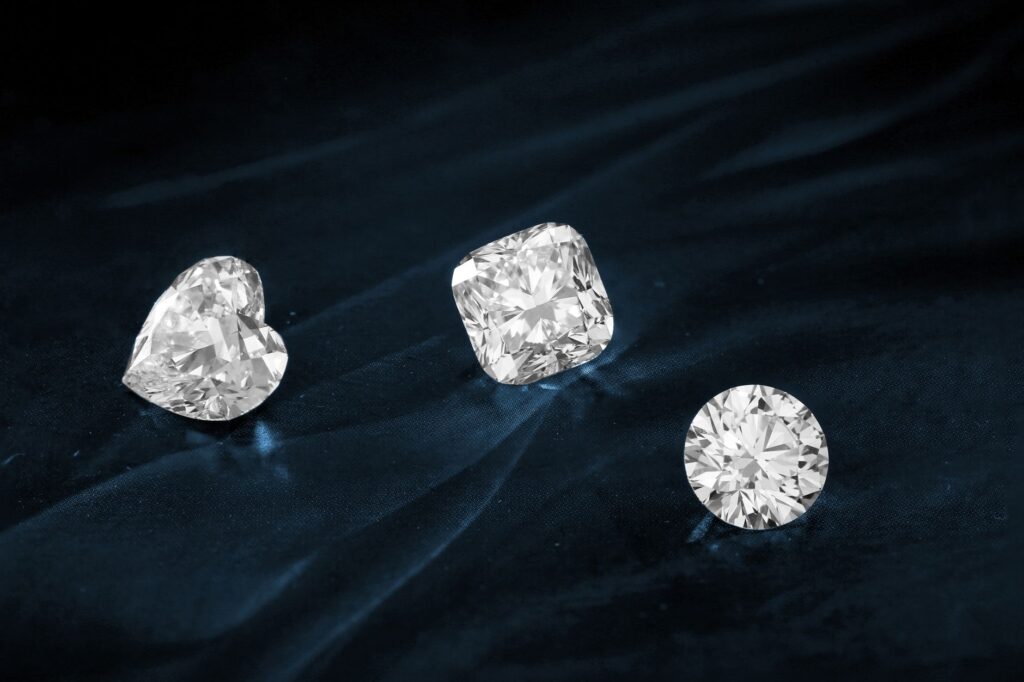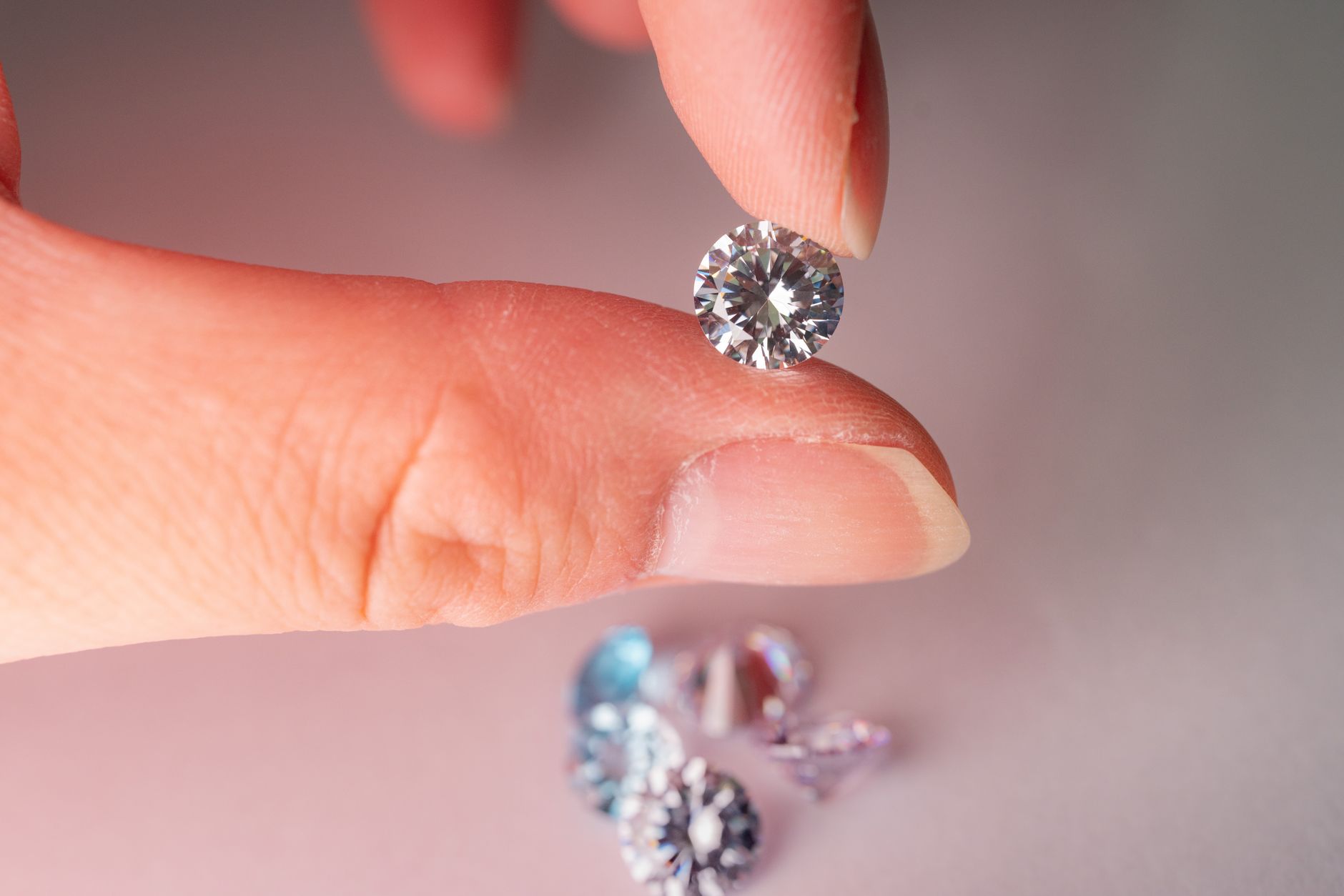
When buyers ask which diamond shape is best for small hands, they are usually really asking a more practical question: which shape makes the finger look balanced, elegant, and not visually overwhelmed? The answer depends on a few things, including finger width, ring style, setting height, and the proportions of the diamond itself. In general, the best shapes for small hands are often those that create a flattering elongating effect, such as oval, marquise, pear, and some elongated cushion or emerald cuts.
That said, there is no single shape that works for everyone with smaller hands. A round brilliant can look beautiful on a petite finger, especially when the setting is delicate and the stone is well-proportioned. At the same time, a long, narrow shape can make the finger appear longer and slimmer, while a very wide shape may look more dominant. Understanding why those differences happen will help you choose a diamond shape that looks natural and comfortable on the hand.
Quick Answer: Which Diamond Shape Is Best for Small Hands
If you want the shortest answer, the most commonly flattering diamond shapes for small hands are:
- Oval for a lengthening effect and strong overall popularity
- Pear for a graceful, elongated look with a softer feel
- Marquise for the strongest finger-lengthening effect
- Elongated cushion for a balanced look that still feels refined
- Emerald cut for a sleek, elegant style that can look larger face-up than expected
If the goal is simply to make small hands look more proportionate, oval and pear shapes are often the easiest starting point. If the goal is maximum visual length, marquise is usually the strongest option. If the goal is a classic look with less emphasis on finger length, round brilliant and cushion can still work very well when scaled appropriately.
Why Diamond Shape Matters on Small Hands
Diamond shape affects more than style. It changes how the eye reads the ring on the finger. Some shapes follow the line of the finger, which can make a hand appear longer and more slender. Others spread more across the width of the finger, which can look fuller or more centered.
For small hands, the main issue is usually scale. A diamond that is too wide or too bulky can overpower the finger. A diamond that is too small may look lost, especially if the setting is thick. The best shape is one that fits both the hand and the wearer’s taste, not just one that is popular in general.
This is especially important in engagement rings because the center stone is viewed from the top every day. If you are also comparing options in diamond shapes, the most useful question is not only “Which is the most beautiful?” but also “Which one looks balanced on this hand?”
How to Think About Shape, Finger Proportion, and Visual Balance
Small hands do not all look the same. A ring that flatters one petite hand may not have the same effect on another. The biggest factors are finger length, finger width, and knuckle size. A long, slender finger can carry broader shapes more easily than a short, narrow finger. A short finger often benefits from a more elongated stone because it creates the impression of length.
There is also a difference between face-up size and actual carat weight. Face-up size refers to how large the diamond appears from the top. Some shapes spread more than others, which means a 1.00 carat oval may look larger than a 1.00 carat round, depending on proportions. That is one reason shape choice matters so much for small hands.
Another useful concept is the length-to-width ratio. This is simply the relationship between how long and how wide a diamond appears. Elongated shapes with a higher ratio often make a finger look longer, which is usually flattering on smaller hands.
Best Diamond Shapes for Small Hands
Oval Cut
Oval is one of the most popular choices for small hands because it gives a finger-lengthening effect without looking overly dramatic. Its rounded edges keep the shape soft, while the elongated silhouette helps create a slimmer visual line. For many buyers, oval offers a good balance between classic and modern style.
Oval diamonds also tend to face up larger than rounds of the same carat weight because of their stretched outline. That can be useful for petite hands, where scale matters. The main trade-off is that ovals can show a bow tie effect, which is a dark shadow across the center of the stone. A well-cut oval reduces this, but it is worth checking in person or through high-quality photos and videos.
Best for: buyers who want a flattering, versatile shape that looks elegant on smaller fingers.
Pear Cut
Pear shapes combine a rounded end with a pointed end, creating a teardrop look that can be very graceful on small hands. Like oval, pear tends to elongate the finger visually. The pointed tip naturally draws the eye along the length of the hand, which can make the finger appear longer and slimmer.
Pear shapes can vary significantly in appearance depending on proportions. A well-balanced pear should not look too top-heavy or too narrow at the tip. Some pears also show a bow tie effect, although the visual pattern is often easier to manage than in some other shapes. Orientation matters as well. Most people wear the point facing away from the hand, but settings can vary.
Best for: buyers who want something graceful and slightly distinctive, with a flattering elongated profile.
Marquise Cut
Marquise is the most dramatic finger-lengthening shape. Its long, narrow body and pointed ends create the strongest illusion of length, which can be very effective on small hands. It also has a distinctive vintage look, so it stands out more than oval or round.
One reason marquise can appear large is that it spreads over a wide area relative to its carat weight. That makes it a strong choice for buyers who want visual impact without necessarily going very high in carat size. The drawbacks are equally important. The pointed ends can be vulnerable to chipping, so protective settings are recommended. Marquise can also look less symmetrical than other shapes if the proportions are off.
Best for: buyers who want the strongest elongating effect and do not mind a more noticeable, less conventional look.
Elongated Cushion Cut
Elongated cushion is a softer, rounded version of an elongated shape. It often appeals to buyers who like a romantic or vintage-inspired look but still want some visual length. On small hands, it can look elegant without feeling as sharp or dramatic as marquise.
Cushion cuts vary widely in style. Some are more square, while others are more rectangular. The elongated versions tend to flatter smaller hands better because they do not spread too broadly across the finger. They also offer a softer outline that suits many ring styles. Compared with oval or pear, cushion can look slightly more substantial and less delicate.
Best for: buyers who want a soft, refined shape with a more classic feel.
Emerald Cut
Emerald cut is not elongated in the same lively way as oval or pear, but it can still look excellent on small hands because of its streamlined shape. Its step-cut faceting creates clean lines and a sophisticated appearance. Rather than focusing on sparkle in the usual sense, emerald cut emphasizes clarity and broad flashes of light.
On petite hands, an emerald cut can look elegant and intentional, especially in a slim setting. Its open outline can make the stone appear substantial without looking busy. The trade-off is that step cuts show inclusions more easily than brilliant cuts, so clarity matters more. It also tends to show color more readily than some other shapes.
Best for: buyers who want a sleek, architectural look and appreciate understated elegance.
Round Brilliant Cut
Round brilliant is the most classic and familiar diamond shape. It does not create as strong a lengthening effect as oval or pear, but it can still look wonderful on small hands because of its symmetry and balanced proportions. A well-chosen round diamond can appear clean, timeless, and easy to wear.
Round is often the safest choice if you are unsure what shape will suit the hand best. It works well in delicate settings and can pair easily with wedding bands. The main trade-off is that it usually looks more centered and compact, rather than elongating the finger. If your goal is to visually lengthen the hand, an elongated shape may be more effective.
Best for: buyers who value classic style and want something simple, balanced, and easy to coordinate with other jewelry.
Side-by-Side Comparison of Popular Shapes for Small Hands
The table below summarizes how the most popular shapes tend to perform on smaller hands. These are general guidelines, not strict rules, because proportions and setting design matter too.
| Shape | Finger-Lengthening Effect | Face-Up Size | Sparkle Style | Durability Notes | Best Visual Effect |
|---|---|---|---|---|---|
| Oval | High | Often looks large for its carat weight | Bright brilliance with good sparkle | Rounded edges are practical | Balanced and elegant |
| Pear | High | Often looks large and graceful | Bright brilliance with a soft outline | Pointed tip needs protection | Graceful and refined |
| Marquise | Very high | Very large appearance for the weight | Strong brilliance, dramatic outline | Pointed ends are vulnerable | Longest, most slender look |
| Elongated cushion | Moderate to high | Good presence without excess width | Soft sparkle, depending on cut style | Generally practical | Romantic and balanced |
| Emerald | Moderate | Can look substantial and elegant | Broad flashes, less sparkle density | Corners need care, clarity matters | Clean and sophisticated |
| Round | Low to moderate | Balanced, but usually less elongated | Strong sparkle and fire | Very practical | Classic and timeless |
Appearance and Visual Performance
Why Some Shapes Look Bigger on Small Hands
Shape changes how a diamond occupies visual space. Elongated shapes cover more length, which often creates the impression of a slimmer finger. Shapes with wider profiles can look more compact, but they may also seem broader on a petite hand.
This is why face-up size matters so much. For example, a 1.00 carat oval, pear, or marquise may appear larger than a 1.00 carat round because the weight is spread across a longer outline. That spread can be especially useful if the ring finger is narrow and you want proportion without bulk.
If you are comparing diamonds for engagement rings, this is also a good point to evaluate alongside diamond carat. Carat is weight, not visual size, and the shape influences how much of that weight you actually see from above.
Sparkle, Fire, and Brilliance Explained Simply
People often use “sparkle” as a single term, but there are a few different visual effects at work. Brilliance is the white light returned by the diamond. Fire is the colored light dispersion you sometimes see in flashes. Scintillation is the pattern of light and dark flashes when the stone moves.
Round brilliant usually performs best in overall sparkle because its faceting style is designed for maximum light return. Oval, pear, and marquise can also be very bright, but their longer outlines can sometimes create visual quirks like bow ties. Emerald cut is different because it is a step cut, which means it produces broad flashes rather than the same dense sparkle pattern seen in brilliant cuts.
On small hands, the most important point is not which shape sparkles the most in theory. It is which shape looks lively and balanced in the actual ring size you want. A shape that is too large or too wide can overwhelm the hand even if it has excellent optical performance.
Bow Tie Effect and Why It Matters
The bow tie effect is common in elongated shapes such as oval, pear, and marquise. It appears as a darker area across the center of the diamond, shaped somewhat like a bow tie. This is not always a flaw, but if it is too strong, it can reduce brightness and distract from the shape.
For small hands, the bow tie can be more noticeable if the diamond is being viewed closely because the center of the stone sits in a more limited visual area. Buyers should look at magnified photos, videos, or in-person views whenever possible. This is one reason quality cut evaluation is important in addition to shape choice.
Advantages of the Best Shapes for Small Hands
1. They Create a More Balanced Look
Smaller hands often look best when the ring complements the proportions of the finger rather than dominating them. Elongated shapes help the ring feel balanced by guiding the eye vertically. This can make the entire hand look more refined.
2. They Can Make the Finger Appear Longer
Oval, pear, and marquise shapes are especially known for this effect. The eye naturally follows the long axis of the diamond, which can make short fingers appear longer. This is one of the main reasons those shapes are so common in petite-hand ring selections.
3. They Often Look Larger Than Their Carat Weight
Some shapes spread more efficiently than others. That can be useful if you want a substantial look without moving up significantly in price. This is one area where lab grown diamonds can be especially practical, because a buyer may be able to choose a larger or better-cut stone within the same budget.
4. They Offer More Styling Flexibility
Shapes like oval and round pair easily with many setting styles, from simple solitaires to halo and three-stone rings. That flexibility makes them easier to match with wedding bands and everyday wear preferences. If you are also thinking about overall ring style, it can help to review engagement ring setting options alongside shape.
Disadvantages and Trade-Offs
1. Elongated Shapes Can Show Proportion Problems
Oval, pear, and marquise are flattering, but they are not automatically ideal. If the stone is too narrow, too wide, or poorly cut, the shape can look awkward. A badly proportioned oval may look flat, while a poor marquise may seem bulky in the center.
2. Pointed Shapes Need More Protection
Pear and marquise have pointed ends that are more exposed than rounded outlines. That means the setting should help protect those tips, especially for everyday wear. Petite hands often suit delicate settings, but the setting still needs enough structure to secure the stone.
3. Some Shapes Draw More Attention Than Others
Marquise is particularly noticeable. For some buyers, that is a benefit. For others, it can feel too bold on a small hand. Likewise, a wide emerald cut or a broad cushion can feel visually heavier than a narrow oval of the same carat weight.
4. Not Every Trend Ages the Same Way
Some shapes are more trend-driven than others. Oval has become very popular in recent years, and that popularity may continue, but individual style preferences still matter. If long-term appeal is important, round brilliant, oval, and emerald cut are often considered safer from a style standpoint, while more distinctive shapes may feel more personal and less universal.
Who Each Shape Is Best For
| Shape | Best For | Style Impression |
|---|---|---|
| Oval | Buyers who want versatility and a flattering elongating effect | Balanced, modern, elegant |
| Pear | Buyers who want graceful length with a distinctive silhouette | Soft, feminine, refined |
| Marquise | Buyers who want the strongest finger-lengthening effect | Dramatic, vintage-inspired, bold |
| Elongated cushion | Buyers who want a softer shape with presence | Romantic, classic, gentle |
| Emerald | Buyers who prefer clean lines and understated elegance | Sleek, sophisticated, architectural |
| Round | Buyers who prioritize timelessness and easy wear | Classic, bright, familiar |
If your goal is simply to know which diamond shape is best for small hands, oval and pear are usually the easiest all-around answers. Marquise is the most visibly lengthening, but it is also the most distinctive. Round is the safest if you want something classic and universally recognized. The right choice depends on whether you want subtle balance, noticeable elongation, or long-term classic appeal.
How These Shapes Compare in Real Buying Terms
Oval vs Round
Oval and round are often compared because both are popular and versatile. Round generally offers the strongest light performance, with very consistent brilliance and sparkle. Oval can appear larger and more elongated, which often suits small hands better.
If you care most about finger lengthening, oval usually has the advantage. If you care most about timeless simplicity and maximum sparkle, round is hard to beat. Both are good choices, but they create different visual impressions.
Pear vs Oval
Pear and oval are both elongating, but pear adds a point, which makes the shape feel a little more directional. That point can draw the eye down the finger, which is flattering on small hands. Oval looks softer and more even overall, while pear can feel a touch more artistic or individual.
Pear may require slightly more attention to setting protection because of the pointed tip. Oval usually feels easier to wear and coordinate with bands. Buyers who want a softer everyday look often lean toward oval, while those who want a distinctive silhouette often prefer pear.
Marquise vs Pear
Marquise is more dramatic and usually creates the strongest illusion of length. Pear is usually softer and easier to wear for people who want elegance without a bold vintage feel. On very small hands, marquise can be exceptionally flattering if the proportions are right, but it can also be more attention-grabbing than some buyers want.
From a practical standpoint, pear often feels slightly more versatile and contemporary, while marquise feels more specialized. Both can be excellent choices, especially in well-designed settings.
Emerald vs Cushion
Emerald and cushion attract different buyers. Emerald is crisp, linear, and understated. Elongated cushion is softer and more romantic. On small hands, emerald can look clean and refined, while cushion can feel more substantial and decorative.
Emerald also tends to show clarity and color more easily because of its open facet pattern. Cushion can be more forgiving, but the exact look depends heavily on the cutting style. Buyers comparing these shapes should also think about diamond clarity and diamond color, because step cuts and open facets can make those qualities more visible.
Important Buying Considerations for Small Hands
1. Pay Attention to Proportions, Not Just Carat Weight
A diamond that is too bulky can make a small hand look crowded. That is why carat weight alone is not a reliable guide. Shape, spread, and setting design all matter. Two diamonds with the same weight can look very different on the hand.
2. Consider the Ring Setting
The setting plays a major role in how the shape looks. A thin solitaire often makes a small hand look delicate and balanced. A wide halo or heavy multi-stone design can add visual width, which may or may not be desirable.
For petite hands, lower-profile settings often feel more comfortable for daily wear. A slim shank, petite prongs, and moderate head height can help the center stone look proportional. The setting should support the stone without making the ring feel oversized.
3. Think About Length-to-Width Ratio
This is especially important for oval, pear, marquise, and elongated cushion. A slightly more elongated ratio usually makes the finger look longer. Too much length, however, can make a shape feel narrow or stretched. The most flattering ratio often depends on personal preference and hand shape.
4. Check Durability for Everyday Use
Small hands often pair well with delicate-looking rings, but a delicate appearance should not be confused with weak construction. Daily wear requires secure prongs and a stable setting. Pointed shapes need extra care, especially if the wearer leads an active lifestyle.
If you are comparing stone type and durability as well, you may also want to review diamond certifications so you understand how shape, cut, and graded qualities are documented.
5. Match the Shape to the Wearer’s Lifestyle
Someone who uses their hands heavily may prefer a round or oval in a low-profile setting. Someone who values style and visual length might prefer pear or marquise. Someone who likes understated luxury might prefer emerald. The best shape is not only about appearance. It is also about how the ring will feel over time.
Common Mistakes Buyers Make
Choosing a Shape Based Only on Trends
Trends can be useful, but they should not override fit and comfort. A very popular shape may still look wrong if it does not suit the hand or the person’s style. Buyers sometimes choose a shape because it is fashionable, then later realize they would have preferred something more balanced or easier to wear.
Ignoring the Cut Quality
Cut quality affects how the diamond performs in light. This matters for all shapes, but especially for elongated ones, where bow tie and proportion issues can be more visible. A well-cut stone usually looks more pleasing than a larger poorly cut one.
Overlooking Setting Width
A wide band can make a small hand look shorter or fuller than intended. In contrast, a slimmer band often helps the diamond appear more proportionate. This is one of the easiest ways to improve how a ring looks on a petite hand without changing the diamond itself.
Not Comparing Stones Side by Side
On paper, two diamonds may look similar. On the hand, one can be much more flattering. Side-by-side comparison is especially useful for shapes like oval and pear, where even subtle differences in outline can matter. Photos, videos, and in-person try-ons are all helpful when available.
Choosing Too Much Width for the Hand
Very wide shapes can sometimes make a small finger look even shorter. That does not mean wide shapes are wrong, but they should be chosen intentionally. If the main goal is visual length, an elongated shape is usually the smarter starting point.
What About Lab Grown Diamonds for Small Hands?
Lab grown diamonds are relevant here because shape selection often comes down to budget and visual preferences. If a buyer wants a larger oval, pear, or marquise that still looks proportionate on a small hand, lab grown diamonds may make it easier to choose a more impressive face-up size without moving far beyond budget.
This does not change the shape itself, but it can expand your options. For many buyers, that means better cut quality, better color, or a larger stone in the same price range. It is still important to compare the diamond carefully and not assume all lab grown stones are equal. Lab grown diamonds should be evaluated using the same core quality factors as natural diamonds, including cut, color, clarity, and certification.
For small hands, this can be useful in a practical sense. A buyer might choose a slightly smaller-looking stone in a premium cut, or a larger-looking shape with excellent proportions. The right choice depends on whether the priority is impact, balance, or overall budget efficiency.
Frequently Asked Questions
Is oval or round better for small hands?
Oval is usually better if your goal is to make the finger look longer. Round is usually better if you want the most classic look and the strongest all-around sparkle. Both can work well, but they create different visual effects.
Does a bigger diamond always look better on small hands?
No. A diamond that is too large for the hand can look out of proportion. On small hands, the goal is usually balance, not maximum size. A well-chosen shape with good spread often looks more elegant than a heavier stone that feels oversized.
What diamond shape makes fingers look the longest?
Marquise is usually the strongest shape for creating the illusion of length. Oval and pear also do very well. The best option depends on how dramatic you want the effect to be.
Can a round diamond look good on small hands?
Yes. Round is a very safe and attractive choice for small hands, especially in a slim setting. It does not elongate as much as oval or pear, but it can still look balanced and timeless.
Which shape is best if I want a larger look without a larger carat weight?
Oval, pear, and marquise often face up larger than round diamonds of the same weight. That is because their outlines spread across more visible surface area. This is one reason these shapes are popular with buyers comparing diamond pricing and face-up size.
Do lab grown diamonds look different in certain shapes?
The diamond shape itself does not change because a stone is lab grown. What does matter is cut quality, proportions, and certification. A well-cut lab grown diamond can look excellent in any of the shapes discussed here.
Should small hands avoid wide diamond shapes?
Not necessarily, but wide shapes can make the hand look fuller. If the goal is to lengthen the finger, elongated shapes are usually more flattering. If the wearer likes a broader look, a wider shape can still be a good choice.
Conclusion
If you are trying to decide which diamond shape is best for small hands, the most practical answer is that oval, pear, and marquise are usually the most flattering because they create a lengthening effect. Elongated cushion and emerald cut can also work very well, depending on the style you want. Round brilliant remains a strong option for buyers who prefer a classic, balanced look.
The right choice comes down to proportion, not just popularity. Consider how the shape affects finger length, how much face-up size it gives you, whether the setting protects the stone well, and how the ring will wear every day. For many buyers, especially those comparing natural and lab grown diamonds, the best decision is the one that balances appearance, comfort, and quality in a way that suits the hand naturally.
For more detail, see Which Diamond Shape Is Best for Engagement Rings? A Complete Guide to the Best Cuts.