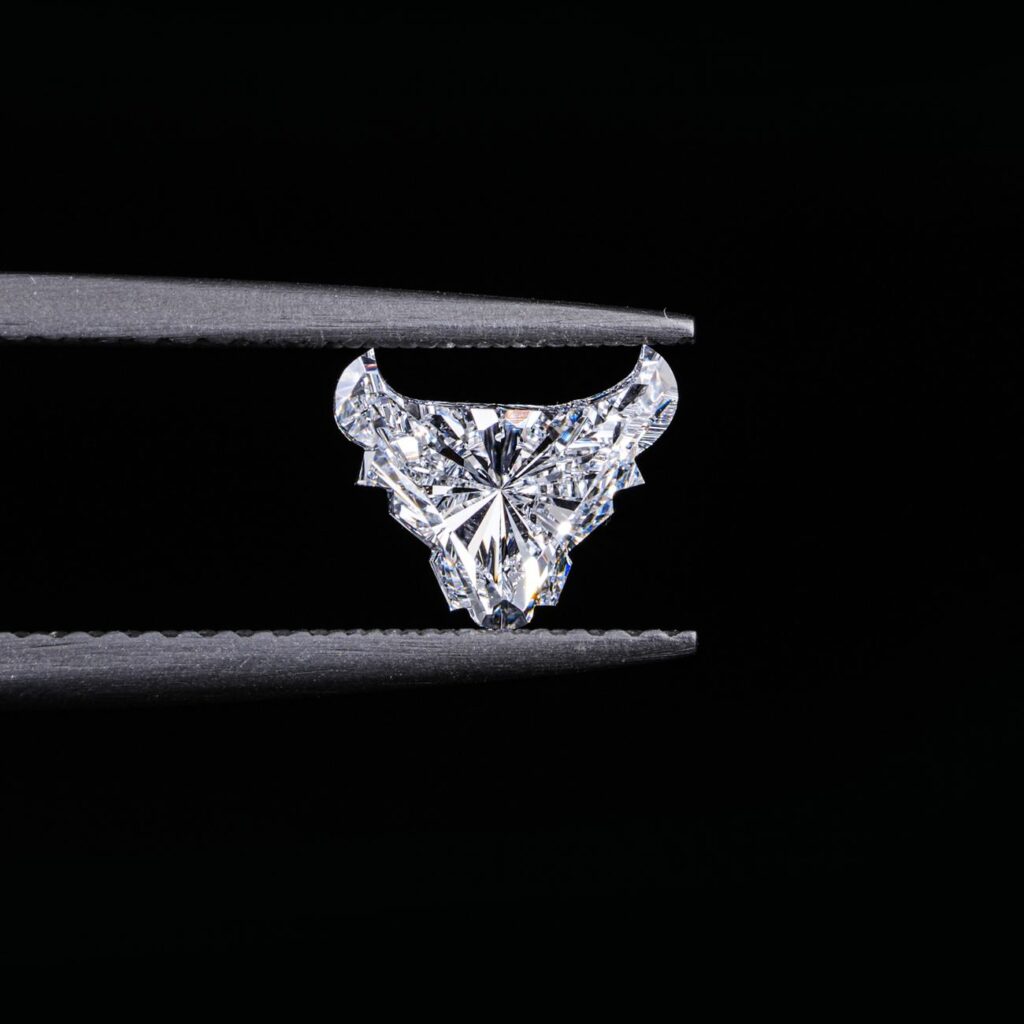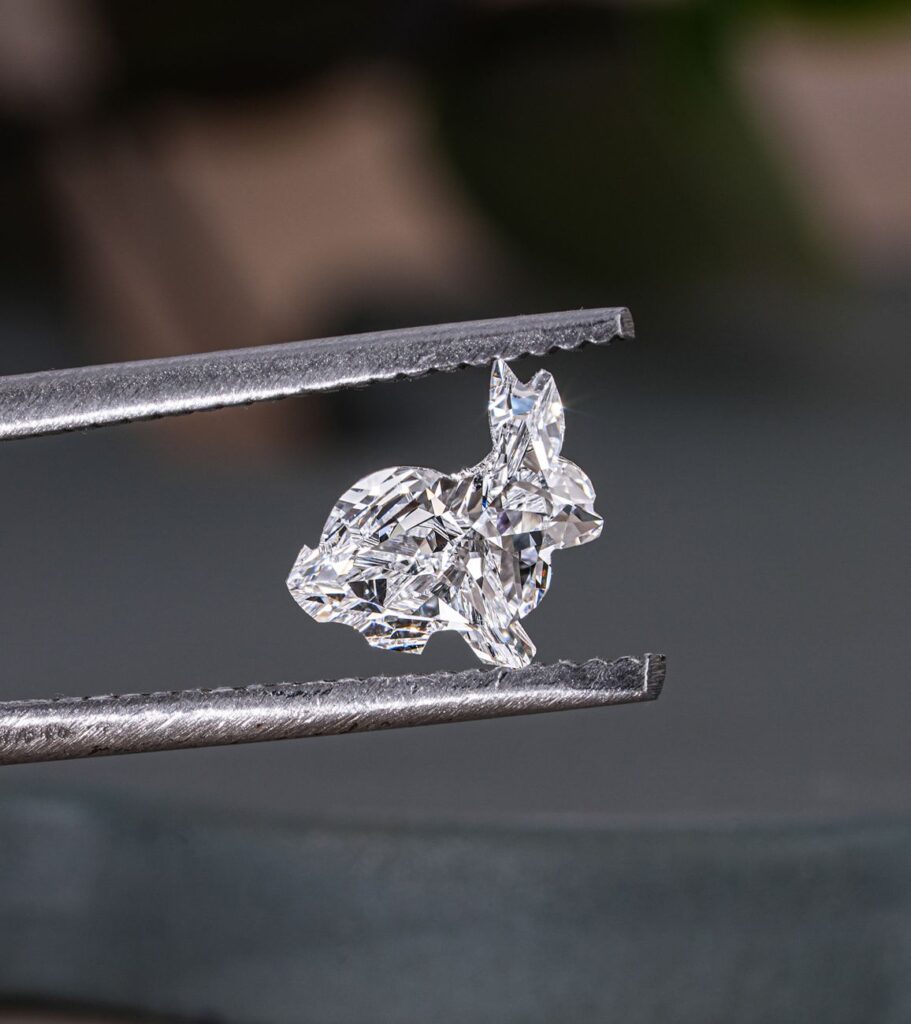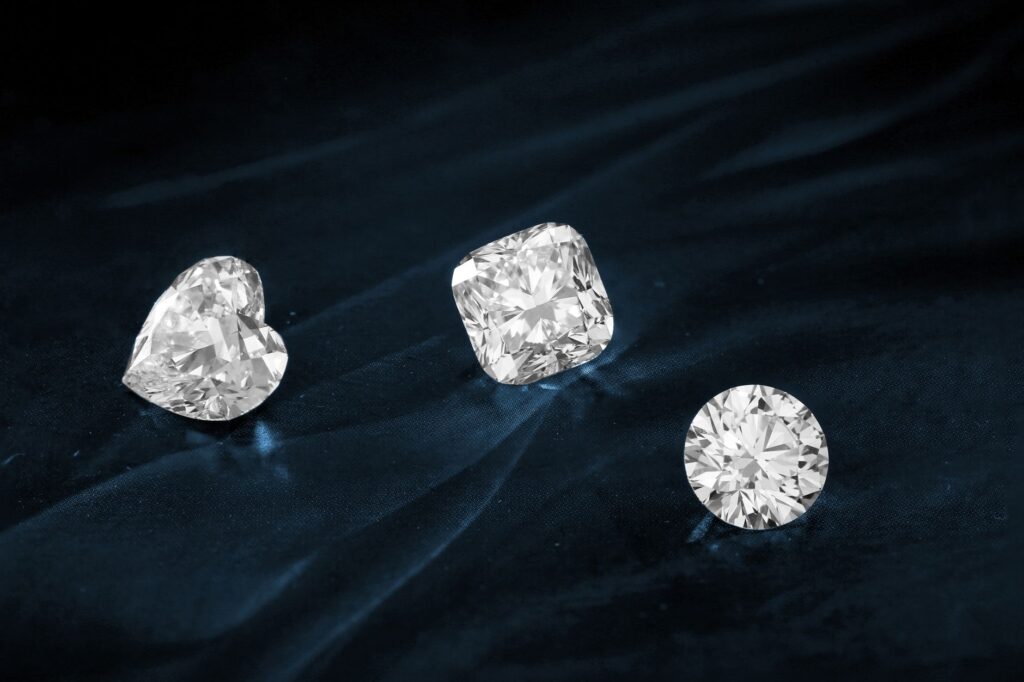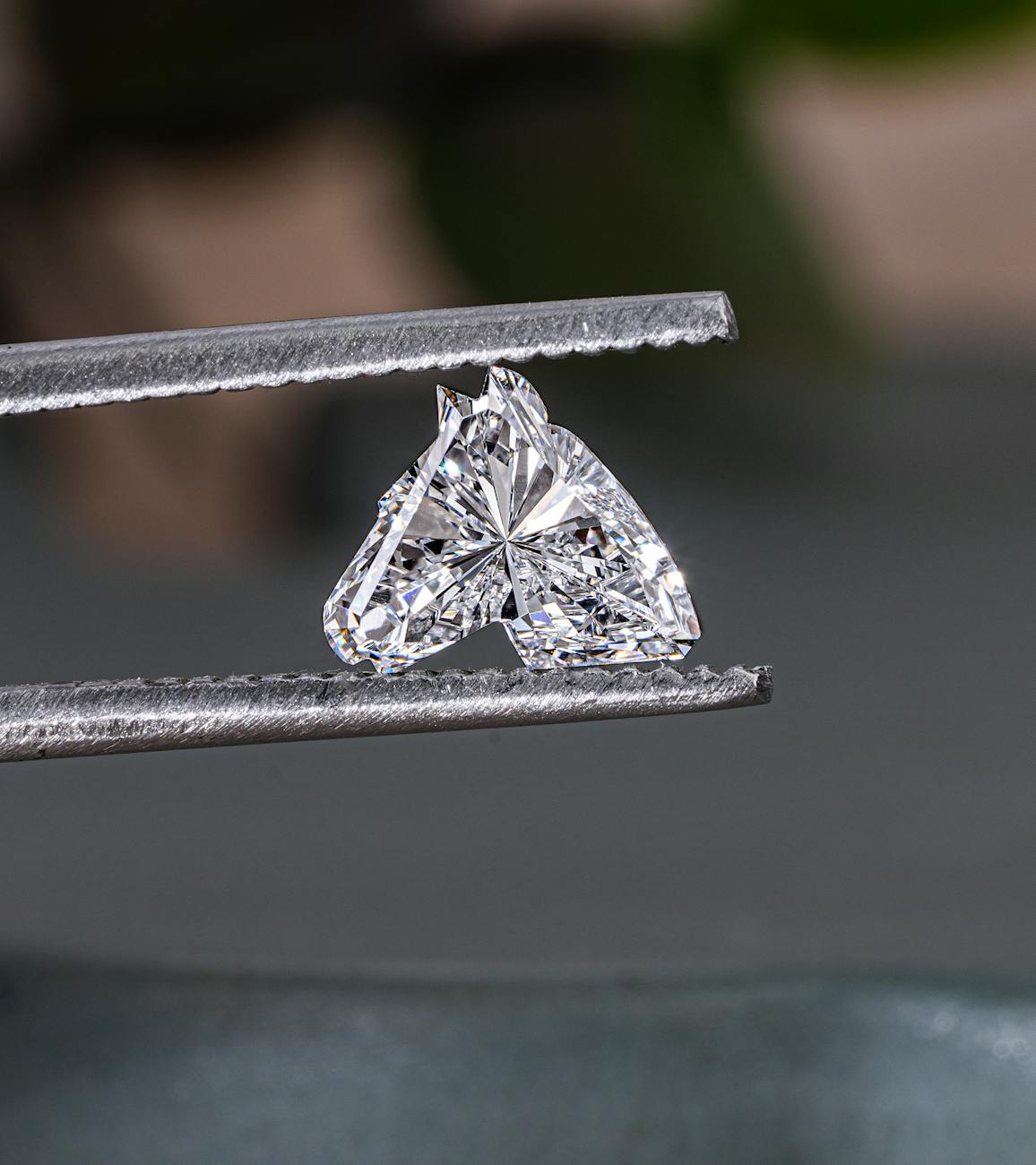
A heart shape lab grown diamond is a diamond cut into a heart silhouette, with two rounded lobes at the top and a pointed cleft in the center. It is one of the most recognizable fancy shapes, and it appeals to buyers who want a ring or piece of jewelry with a more symbolic, romantic look than a round or oval diamond.
In the lab grown market, heart shapes are especially interesting because buyers often prioritize size, quality, and creativity. Lab grown diamonds can make it easier to choose a heart shape with stronger color, better clarity, or a larger carat weight at a lower price than a comparable natural diamond. That said, shape quality matters a great deal. A heart shape is only attractive when its proportions, symmetry, and cut precision are strong.
This guide explains what a heart shape lab grown diamond is, how it performs visually, what to look for when buying one, and how it compares with other popular diamond shapes. If you are considering one for an engagement ring, pendant, or custom jewelry design, understanding the shape itself is more important than focusing on carat weight alone.
Quick answer
A heart shape lab grown diamond is a lab-created diamond cut into a heart outline, usually with a faceted brilliant-style pattern that helps it sparkle. It is a fancy shape, which means its value and appearance depend heavily on the quality of the cut, symmetry, and proportions rather than on a standardized cut grade like round brilliants receive.
For buyers, the main appeal is visual and symbolic. A well-cut heart shape can look distinctive, romantic, and elegant. The main trade-off is that it requires careful selection, because uneven lobes, a weak point, or a visible bow tie effect can make the stone look less refined.
What is a heart shape lab grown diamond?
A heart shape diamond is a fancy-shaped diamond designed to resemble a heart when viewed from the top. It typically has two rounded sides at the top, a cleft in the center, and a pointed bottom. Most heart shapes are cut with a brilliant-style faceting pattern, which means they are designed to maximize sparkle and brightness rather than to create broad mirror-like flashes.
When the diamond is lab grown, the crystal is created in a controlled environment using either high pressure high temperature, often called HPHT, or chemical vapor deposition, known as CVD. After that, it is cut and polished just like a mined diamond. The result is still a real diamond, with the same chemical composition and physical properties as a natural diamond.
The difference is origin, not appearance. Once cut and set, a lab grown heart shape diamond and a natural heart shape diamond can look extremely similar. In fact, many buyers choose lab grown diamonds because they can often get a larger or higher quality heart shape for the same budget.
How heart shape diamonds are made and why the cut matters
A heart shape diamond starts as a rough crystal. The cutter studies the rough material and decides how to orient and shape it to maximize both beauty and yield. With fancy shapes like hearts, there is no single formula that guarantees beauty from every angle, which is why quality can vary more than many first-time buyers expect.
The cut must balance several visual goals at once. The lobe size should feel even, the cleft should be visible but not overly deep, the point should taper cleanly, and the overall outline should look balanced. If one side is larger than the other or the point is too blunt, the heart can look awkward even if the diamond has good sparkle.
This is one reason heart shapes are often bought with more emphasis on visual inspection than on a simple grading category. A seller listing a heart shape diamond may provide measurements and proportions, but those numbers should be read alongside photos, video, and the certificate. If you are also learning about diamond cut, this is a good shape to study carefully because proportions make such a large difference in the final look.
Key characteristics of a heart shape diamond
Distinctive outline
The most obvious characteristic is the heart silhouette itself. Unlike a round, princess, or oval diamond, the shape is immediately recognizable. That makes it a strong choice for buyers who want something symbolic or more expressive than a traditional round engagement stone.
Symmetry is essential
A heart shape diamond should have two lobes that appear balanced, a centered cleft, and a point that aligns with the middle of the stone. If the symmetry is off, the shape can look lopsided. This is one of the biggest reasons why side-by-side comparisons and high-resolution images are important before buying.
Brilliant-style sparkle
Most heart shapes use brilliant faceting, which creates strong sparkle and lively light return. In simple terms, brilliant cuts are designed to reflect light in a way that creates flashes and sparkle across the stone. This helps the shape look lively, especially in engagement rings and pendants.
Size perception varies with proportions
Some heart shapes look larger than their carat weight suggests, while others look smaller. This depends on the spread, which is how much surface area the diamond covers when viewed from above. A well-proportioned heart can appear generous on the finger, but deep cuts can hide weight in the bottom half and reduce face-up size.
Appearance and visual performance
Sparkle, brilliance, and fire
Heart shape diamonds are usually designed to show strong brilliance, which is the white light return that makes a diamond look bright. They can also show fire, which is the colored flashes of light you see when the diamond moves. Because heart shapes are faceted like other brilliant cuts, they tend to perform well in lighting conditions where the stone is moving or viewed at different angles.
The amount of sparkle you see depends heavily on the precision of the cut. Facets that are aligned well will return light more efficiently. If the cut is uneven, parts of the stone may appear dull or overly dark. This is why two diamonds with the same carat weight can look very different in person.
Scintillation and movement
Scintillation refers to the pattern of sparkle and contrast you see as the diamond moves. In a heart shape lab grown diamond, scintillation can be very attractive because the outline itself already draws attention, and the facet pattern adds movement. Buyers often notice this in ring settings, where natural hand movement makes the stone flash.
However, the heart shape’s performance is not just about brightness. If the facets are too large or poorly arranged, the sparkle can look uneven. A good stone should show a pleasing mix of bright and dark areas that move as the diamond turns, rather than a flat or glassy appearance.
Bow tie effect
Some fancy shapes, including hearts, can show a bow tie effect. This is a dark area across the middle of the diamond that can resemble a bow tie. A slight bow tie is common in many elongated or modified brilliant shapes, but a strong one can reduce visual appeal.
In heart shapes, the effect may appear around the center depending on the cut. It does not automatically mean the diamond is poor quality, but it is something to evaluate carefully. Viewing the diamond in video or under multiple lighting conditions can help you judge whether the bow tie is minor or distracting.
Color visibility
Heart shapes can show color a bit differently depending on their faceting style and setting. Brighter stones with excellent light return may mask some body color, while areas of contrast can make tint more noticeable. In general, near-colorless grades are often a practical target for buyers who want a clean appearance without overspending.
Lab grown diamonds often make it easier to buy a higher color grade within budget. That can be useful for heart shapes, since their distinctive outline already makes them special. If you want to learn more, reviewing diamond color grades can help you decide how much color matters in your chosen setting.
Clarity visibility
Clarity refers to internal characteristics, called inclusions, and surface marks, called blemishes. In heart shapes, clarity visibility depends on the location of the inclusion and the faceting pattern. Brilliant-style faceting can hide small inclusions fairly well, especially if they are not near the center.
That said, lab grown diamonds may show certain growth-related features that are common to their origin, and these are usually described on the grading report. Most buyers do not need the highest clarity grade available. Instead, the goal is often to choose a stone that appears clean to the eye in normal viewing conditions.
Advantages of a heart shape lab grown diamond
Symbolic and distinctive appearance
The main advantage is obvious: the shape stands out. A heart shape communicates romance and individuality in a way that many traditional shapes do not. That makes it appealing for anniversary gifts, fashion jewelry, and engagement rings for buyers who want a more personal design.
Better value in larger sizes
Lab grown diamonds often offer better pricing efficiency at larger carat sizes. This can be helpful with heart shapes because the outline benefits from sufficient size. At smaller sizes, the shape may be harder to read clearly, while at larger sizes the heart form becomes more defined.
Strong sparkle when well cut
A well-cut heart shape can be bright and lively. The brilliant-style faceting helps it perform well in everyday lighting, and many buyers are pleasantly surprised by how much sparkle a fancy shape can show when proportions are handled correctly.
Flexibility in jewelry design
Heart shape diamonds work well in solitaire settings, halo designs, pendants, and custom pieces. Because the outline is so recognizable, the setting does not need to be overly complex to make the stone feel special. A simple setting can highlight the shape without competing with it.
Can look elegant in lab grown form
Some shoppers worry that a heart shape might feel too novelty-driven. In practice, a well-proportioned lab grown heart shape can look sophisticated, especially if the setting is minimal and the stone has good symmetry. The key is choosing a stone that feels refined rather than cartoon-like.
Disadvantages and limitations
Cut quality matters more than average
Not every heart shape diamond is attractive. Small differences in symmetry, depth, and facet alignment can be obvious. This makes the shape less forgiving than some buyers expect, especially if they are shopping online without comparing images carefully.
Can be difficult to judge from basic specs alone
Carat, color, and clarity are useful, but they do not tell the full story for fancy shapes. Two heart shapes with the same measurements can look very different because of how the weight is distributed. For this reason, video, proportion details, and a reliable certification matter more than a simple headline listing.
Less universal than round or oval shapes
Heart shapes are distinctive, which is also their limitation. Some buyers love the symbolism, while others prefer a shape that feels more classic or versatile. If you are buying for someone else, this is important to keep in mind because personal taste plays a larger role than with more standard shapes.
Potential for visible bow tie or uneven areas
Like other fancy shapes, heart diamonds can have areas that do not reflect light evenly. This can create dark zones or make one part of the shape appear weaker than another. A careful viewing process is important if you want the stone to look balanced in everyday wear.
Resale value is limited
This is true for most diamonds, but it is worth stating clearly. Lab grown diamonds generally have lower resale value than many buyers expect, and heart shapes are even more dependent on current demand. If long-term resale is a major concern, a diamond should be chosen for wear and enjoyment rather than as an investment.
Who a heart shape lab grown diamond is best for
A heart shape lab grown diamond is best for someone who values symbolism, individuality, and visual charm. It works especially well for buyers who want their jewelry to feel personal and slightly unconventional without sacrificing sparkle.
It may suit you if you are looking for:
- An engagement ring with a romantic or playful design
- A pendant where the heart outline is easy to see
- A lab grown diamond that gives you more size or quality for your budget
- A custom piece where the shape is part of the meaning
It may be less suitable if you want a shape that is as timeless and broadly traditional as a round brilliant. It may also be a less ideal choice if you prefer a shape that hides proportion issues more easily or if you do not want to inspect the stone closely before buying.
How a heart shape compares to other popular diamond shapes
Comparing a heart shape to other shapes helps explain why some buyers love it and others prefer alternatives. The differences are not just about aesthetics. They also affect sparkle, face-up size, durability, and how easy the diamond is to buy confidently.
Heart shape vs round brilliant
A round brilliant is the most traditional choice and usually offers the strongest overall light performance. It is also the easiest shape to evaluate because the cutting style is standardized more than most fancy shapes. A heart shape is more distinctive, but it depends more heavily on symmetry and shape execution.
| Feature | Heart Shape | Round Brilliant |
|---|---|---|
| Appearance | Distinctive, romantic, symbolic | Classic, versatile, traditional |
| Sparkle | Strong when well cut | Usually strongest overall |
| Ease of buying | Requires more visual judgment | More straightforward |
| Face-up size | Varies with proportions | Efficient and predictable |
| Popularity | Niche, style-driven | Most popular shape |
Heart shape vs oval
Ovals are popular because they look elegant and can appear large for their weight. They also tend to flatter the finger with an elongated shape. A heart shape is less subtle and more expressive. If you want a shape that feels softer and more classic while still being distinctive, oval may be easier to live with day to day.
From a buying standpoint, ovals also can show a bow tie effect, so both shapes require careful evaluation. However, the oval outline is generally simpler to assess visually, while the heart shape requires symmetry in the lobes and cleft to feel balanced.
Heart shape vs pear
Pear shapes combine round and pointed characteristics, giving them a graceful silhouette. They often face up well and can look elegant in rings and pendants. A heart shape is more obviously symbolic, but a pear may be easier to match with a wider range of styles.
Both shapes can show color and inclusion patterns differently, so viewing the stone in images is helpful. If you like a pointed silhouette but want something less literal than a heart, pear is often the practical alternative.
Heart shape vs princess
Princess cuts are square and modern, with strong sparkle and sharp corners. They are more geometric and generally feel less romantic than a heart shape. However, princess diamonds have their own appeal and are often easier to style in clean, contemporary settings.
Durability is another difference. Princess cuts have pointed corners that can be vulnerable if not protected, while a heart shape has a pointed bottom that also needs care. In both cases, setting design matters.
Heart shape vs cushion
Cushion cuts have rounded corners and a softer square outline. They are often chosen for their gentle, vintage-inspired look. A heart shape is more expressive and less neutral, which is why it tends to appeal to buyers who want the shape itself to make a statement.
Cushion cuts can be easier to pair with many styles because they do not depend on exact symmetry in the same way. Heart shapes, by contrast, need careful balancing to avoid looking uneven.
Heart shape vs marquise
Marquise diamonds are elongated and dramatic, often appearing larger than their carat weight. They create a strong finger-lengthening effect. A heart shape is less about elongation and more about symbolism and outline recognition.
Both shapes can face-up large, but marquise stones can show a strong bow tie and vulnerable tips. Heart shapes also have a pointed lower area, so secure prong placement is important in both cases.
Important buying considerations
Symmetry and proportions
For a heart shape lab grown diamond, symmetry is one of the first things to evaluate. The two lobes should be balanced, the cleft should be centered, and the point should align with the middle. If you can see a lopsided outline, that issue will not disappear once the diamond is set.
Proportions matter too. A stone that is too shallow may spread well but look less lively, while a stone that is too deep may hide weight and face up smaller. A balanced combination gives the best appearance and value.
Length-to-width ratio
Although heart shapes are not usually discussed the same way as oval or marquise diamonds, the proportions between width and height still matter. A heart that is too wide can look chunky, while one that is too tall can look narrow and awkward. Most buyers prefer a shape that looks full, balanced, and clearly recognizable without being exaggerated.
Face-up size
Face-up size refers to how large the diamond looks from above. This matters because carat weight does not always tell the full story. Two diamonds with the same carat weight can have different spreads depending on depth and cutting style.
In a heart shape, face-up size is especially important because the outline needs room to read clearly. A very small heart may look more like an abstract shape than a distinct heart.
Certification
Always look for a reputable grading report from a recognized laboratory. A certificate tells you the stone’s basic characteristics and can help verify the carat weight, color, clarity, measurements, and lab grown origin. For buyers comparing multiple stones, certification is a key part of making an informed decision.
For lab grown diamonds, certification is also helpful because it clarifies whether the diamond was grown by HPHT or CVD and whether any treatments or characteristics are noted. Understanding your diamond certification can help you compare options more confidently.
Color grade
Heart shapes, like many brilliant cuts, can hide some color well. Still, buyers who want a crisp white appearance usually prefer near-colorless grades or better. This is especially relevant in white gold or platinum settings, which can make subtle tint easier to notice.
Lab grown diamonds may allow you to move up in color grade without a dramatic increase in cost. That can be useful if you want the heart outline to look bright and clean.
Clarity grade
A clarity grade tells you whether inclusions are present and how visible they may be. In a heart shape, inclusions near the center or near the point may be easier to notice depending on the facet pattern. In many cases, an eye-clean stone is a better value than a much higher clarity grade with little visible benefit.
If you are unsure how much clarity matters, reviewing clarity grades can help you understand the difference between technical quality and visible beauty.
Setting and protection
The pointed bottom of a heart shape should be protected by the setting. Prongs or a thoughtful semi-bezel design can help reduce the risk of damage. This matters in everyday wear, especially for engagement rings that will be worn frequently.
The setting also affects how the shape reads. A simple solitaire can emphasize the outline, while a halo can make the center stone appear larger and add extra sparkle. Neither is inherently better, but each changes the overall look.
Viewing the diamond in different lighting
Always try to see the stone in multiple types of lighting if possible. Bright store lighting can make almost any diamond look lively, while softer lighting reveals whether the shape still looks balanced and bright in real life. Video is especially useful for heart shapes because it shows symmetry, movement, and contrast.
Common mistakes buyers make
Choosing by carat weight alone
This is one of the biggest mistakes. With a heart shape, a heavy diamond is not automatically a beautiful diamond. Depth, symmetry, and cut quality all affect how the stone looks on the hand.
A better approach is to compare carat weight alongside measurements, video, and overall shape quality. This is especially true in the lab grown market, where buyers may be tempted to prioritize size first because the price is often more accessible.
Ignoring symmetry problems
Uneven lobes or an off-center cleft can make the entire stone feel less refined. These issues are sometimes difficult to spot from a basic listing photo, so it is worth zooming in or asking for extra images if needed.
Overlooking the bow tie
Some buyers assume sparkle means quality automatically. In reality, a heart shape can still have a distracting dark center if the cut is not balanced. A slight bow tie may be acceptable, but a heavy one can reduce the diamond’s appeal.
Selecting a setting that leaves the point exposed
The pointed bottom of the heart is one of its most vulnerable areas. If the setting does not protect it well, the stone may be more exposed to chips or wear. This is a practical issue, not just a design preference.
Not considering finger size and ring proportions
A shape that looks beautiful at one size may not look equally balanced at another. On smaller fingers, an overly large heart can appear dominant, while on larger fingers a tiny heart may disappear. Proportion between the stone, setting, and hand is part of the decision.
Ideal carat ranges and size expectations
There is no perfect carat size for every buyer, but heart shapes usually benefit from enough size to show their outline clearly. Very small hearts can lose definition, especially once they are mounted in a ring. For this reason, many buyers find that moderate to larger sizes offer a better visual result.
Lab grown diamonds can be especially useful here because they often make larger sizes more accessible. That does not mean you should choose the biggest stone possible. It means you may have more flexibility to choose a size that reveals the shape well without giving up quality in other areas.
A practical way to think about it is this: if the shape itself is the main reason you want the stone, prioritize clear outline and symmetry over chasing a number on paper. A beautifully proportioned slightly smaller stone can look better than a larger one with poor balance.
Best settings for a heart shape lab grown diamond
Solitaire
A solitaire setting keeps the focus on the heart shape. It is one of the best choices if you want the diamond itself to stand out clearly. This style works well when the stone has strong symmetry and a crisp outline.
Halo
A halo adds smaller diamonds around the center stone. This can increase visual size and add extra sparkle, but it also makes the design busier. If the heart shape is small, a halo can help it read more clearly. If the center stone is already strong, a halo may be unnecessary.
Three-stone designs
Three-stone settings can create a more elaborate ring style. Side stones can be matched to the heart shape with tapered or round accents. This style can work well for buyers who want a more substantial ring without losing the center stone’s symbolic shape.
Pendants
Heart shapes are especially natural in pendants because the silhouette is easy to see. A pendant gives the stone room to show its outline, and the shape is less exposed to wear than in a ring. For many buyers, this is one of the most practical uses of a heart shape diamond.
Why lab grown diamonds are often a practical choice for this shape
Lab grown diamonds often make sense for heart shapes because many buyers want a stone that is both visually distinctive and well proportioned. Since the shape can require more careful selection, having a larger budget window can help you prioritize cut quality, color, and clarity instead of compromising too much on those factors.
This is not about lab grown diamonds being inherently better than mined diamonds. It is about flexibility. If you want a heart shape with strong visual impact, lab grown options may let you choose a more attractive stone within your budget than you could otherwise afford.
That said, buyers should still consider the limitations. Lab grown diamonds generally have lower resale value, and not all stones are cut equally well. The origin of the diamond does not compensate for weak proportions or poor symmetry.
Frequently asked questions
Is a heart shape lab grown diamond a real diamond?
Yes. A lab grown diamond has the same crystal structure and physical properties as a mined diamond. The difference is that it is created in a controlled environment rather than formed in the earth over millions of years.
Does a heart shape diamond sparkle as much as a round diamond?
It can sparkle a lot, but round brilliants usually offer the strongest and most consistent light performance overall. A heart shape can still be very lively, especially when the cut is well executed, but it is more dependent on symmetry and proportion.
What should I look for first when buying a heart shape diamond?
Start with symmetry, outline quality, and a clear video of the stone. Then review color, clarity, measurements, and certification. For fancy shapes, visual performance matters more than any single number.
Are heart shape diamonds harder to set?
They are not necessarily harder to set, but the pointed bottom needs thoughtful protection. A good setting should secure the tip and present the heart clearly from the top view.
Do heart shape diamonds look smaller than other shapes?
They can, depending on depth and proportions. A deeper stone may hide weight and appear smaller face up, while a well-proportioned stone can look quite substantial for its carat weight.
Are heart shapes a good choice for an engagement ring?
Yes, for buyers who want a symbolic and distinctive look. They are less traditional than round or oval diamonds, so the choice depends on personal style. They work best when the wearer likes a more noticeable and romantic design.
Can I judge a heart shape diamond from a grading report alone?
No. The report is important, but it does not show how balanced the lobes are or whether the bow tie is distracting. For heart shapes, you should also inspect images, video, and measurements.
Conclusion
A heart shape lab grown diamond is a distinctive choice that combines symbolism with the practical advantages of lab grown pricing. It can offer strong sparkle, attractive size, and a memorable silhouette, but only when the cut is carefully executed. Because this shape depends so much on symmetry and proportion, it deserves closer inspection than some more standardized diamond shapes.
For buyers, the most important takeaway is simple. Do not choose a heart shape just because it is unique, and do not judge it by carat weight alone. Look for balanced lobes, a centered cleft, sensible depth, and clear visual performance in multiple lighting conditions. If you want a diamond that feels personal and expressive, a well-cut heart shape can be a rewarding option. If you prefer something more universal and easier to compare, a round, oval, or cushion shape may be a better fit.