Emerald cut diamonds are continuing to attract attention in 2026 because many buyers want a shape that feels refined, modern, and visually different from the more familiar round brilliant. In a market where shoppers compare engagement rings, lab grown diamonds, and higher carat sizes more than ever before, the emerald cut stands out for its clean geometry and elegant presence.
The shape is not new, but the way people shop has changed. Buyers now spend more time comparing diamond videos, reading grading reports, and looking closely at how a stone appears on the hand. That process tends to favor emerald cuts because their lines, proportions, and face-up size are easy to evaluate, and their distinctive look is clear even in photographs.
There is also a practical side to the trend. Emerald cuts can look substantial without relying on heavy sparkle, and lab grown diamonds have made larger or higher-quality examples more accessible to a wider range of buyers. For people who want a polished, less conventional look, the emerald cut has become a natural option to consider.
Quick Answer
Why emerald cut diamonds are trending comes down to style, size perception, and changing buyer preferences. The shape’s long rectangular outline and step-cut faceting create a clean, sophisticated look that many shoppers find modern without feeling overly trendy.
Emerald cuts appeal to buyers who want a diamond with presence but not necessarily maximum sparkle. Their broad flashes of light, mirror-like appearance, and elegant silhouette make them especially popular in minimalist engagement rings and fashion-forward settings. Lab grown diamonds have also helped fuel the trend by making larger emerald cuts easier to buy within a given budget.
That said, emerald cuts are not a universal choice. They show clarity and color more readily than many brilliant shapes, and they behave differently in light. Buyers who understand those trade-offs are usually the ones who appreciate this shape most.
What Makes Emerald Cut Diamonds Different
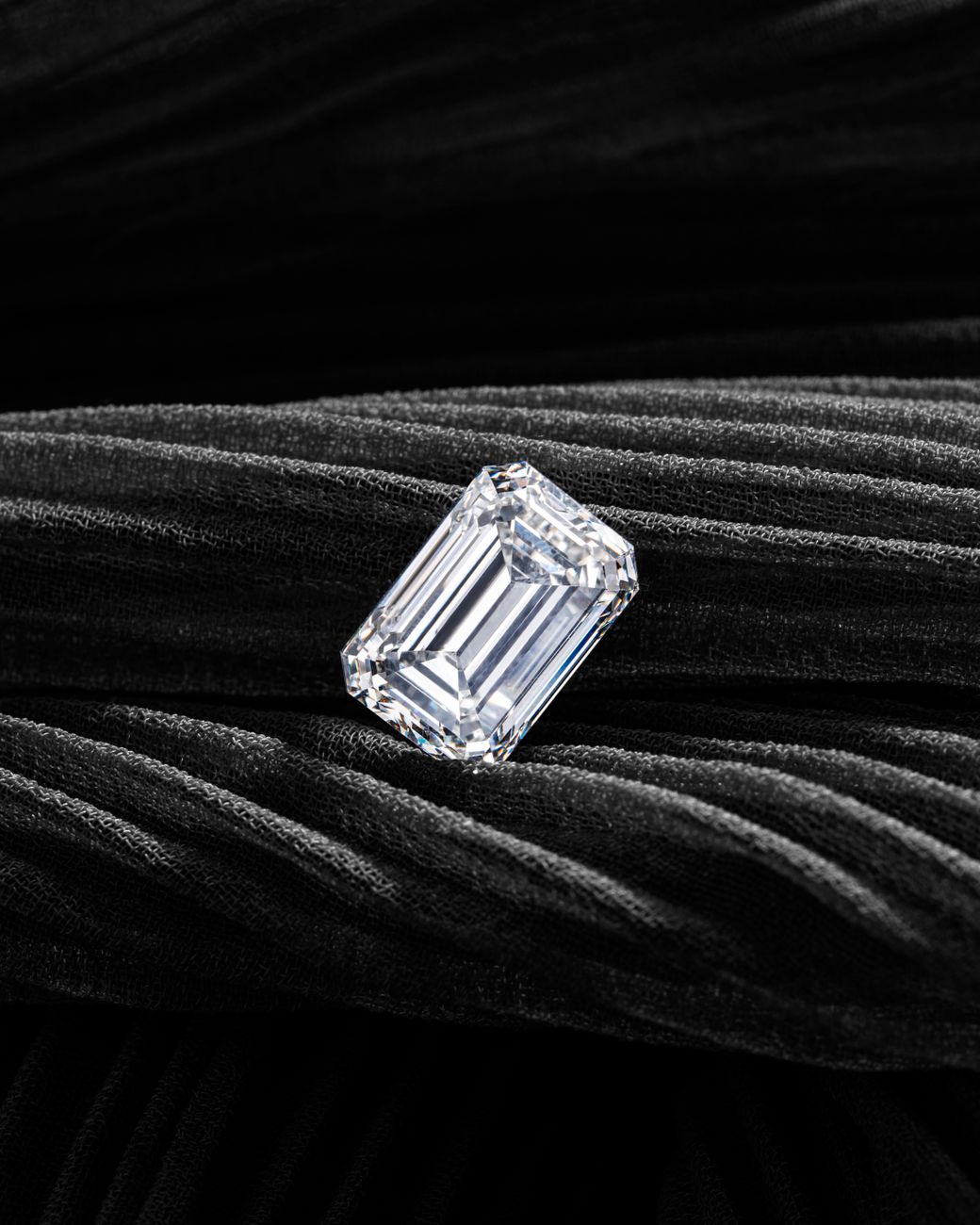
Emerald cut diamonds are rectangular step-cut diamonds with cropped corners and a large open table, which is the flat top surface of the diamond. Instead of many small facets designed for intense sparkle, emerald cuts use long, parallel facets that reflect light in broader flashes.
This cutting style creates a very different appearance from round, oval, or radiant diamonds. Emerald cuts look more structured and less glittery, with a calm, glassy quality that many buyers describe as sophisticated. Their beauty depends heavily on proportions, symmetry, clarity, and how the diamond handles light across its open surface.
Because the interior of the diamond is so visible, emerald cuts are less forgiving than many brilliant cuts. That does not make them difficult to love, but it does mean buyers should evaluate them more carefully than shapes that hide inclusions more easily.
Step-Cut Faceting Explained
Step-cut faceting means the facets are arranged in rows that resemble stairs. These long facets return light in broad flashes rather than the constant pinpoint sparkle seen in brilliant cuts.
For buyers, this matters because step cuts do not disguise flaws as well. Inclusions, body color, and uneven proportions can be more noticeable, especially in larger stones. At the same time, a well-cut emerald diamond can look exceptionally clean and elegant because the faceting emphasizes clarity of line instead of surface glitter.
Why Emerald Cut Diamonds Are Trending in 2026
The renewed popularity of emerald cut diamonds is not the result of a single trend. It reflects several shifts in how people shop for diamonds, especially in the engagement ring market. Buyers want shapes that feel distinctive, photograph well, and fit a range of budgets without looking generic.
1. They Offer a Distinctive, Understated Look
Many shoppers are looking for something less common than a round brilliant but still timeless enough to wear for decades. Emerald cuts fit that goal well because they have a strong identity without appearing overly decorative.
That understated character is especially appealing in settings with clean lines. A solitaire, a three-stone design, or a simple pavé band lets the shape speak for itself, which is often the exact effect buyers want when choosing an emerald cut.
2. Their Geometry Fits Current Minimalist Style Preferences
Minimalist jewelry has remained popular, and emerald cuts fit naturally into that aesthetic. Their long edges, clipped corners, and open facets create a neat, organized appearance that works well with contemporary ring design.
Buyers who want a ring that feels intentional rather than ornate often gravitate toward this shape. It can look classic, but it also has enough visual distinction to stand apart from more common choices.
3. Lab Grown Diamonds Have Made Larger Emerald Cuts More Accessible
Lab grown diamonds have had a meaningful effect on shape trends in general, and emerald cuts are a good example. Because lab grown stones often cost less than natural diamonds of similar size and quality, buyers can more easily choose a larger emerald cut or move up in color and clarity without as much budget pressure.
This matters because emerald cuts tend to look their best when the stone is clean and well proportioned. In the lab grown market, shoppers can often prioritize those visual qualities more confidently, which has helped increase interest in the shape.
4. They Photograph Well and Read Clearly on Screen
Online shopping has made diamond shape visibility more important than ever. Emerald cuts are easy to recognize in photos and videos because their geometry is simple and their facets create a strong visual pattern.
That makes them appealing in a digital-first buying environment. When people compare stones on a screen, emerald cuts often look polished and balanced, which helps them stand out in a crowded market.
5. They Feel Modern Without Losing Timeless Appeal
Some trends rise quickly and disappear just as fast. Emerald cuts are different because they have a long history in fine jewelry, yet they still feel current in modern settings.
That combination of heritage and freshness is part of the appeal. Buyers often want a ring that looks relevant now but is unlikely to feel dated later, and emerald cuts offer that middle ground better than some more trend-driven shapes.
Key Characteristics of Emerald Cut Diamonds
Emerald cut diamonds are defined by a few characteristics that strongly influence appearance and buying decisions. These details affect how large the stone looks, how much sparkle it shows, and how important clarity and color become.
| Characteristic | What It Means | Why It Matters |
|---|---|---|
| Shape | Rectangular with cropped corners | Creates a refined, elongated outline on the hand |
| Faceting style | Step-cut faceting | Produces broad flashes instead of intense glitter |
| Table size | Large flat top surface | Enhances the open, transparent look and symmetry |
| Clarity visibility | High | Inclusions are easier to see than in many brilliant cuts |
| Color visibility | High | Lower color grades may appear warmer more quickly |
| Face-up size | Often looks large for its carat weight | Can provide strong visual spread on the finger |
Length-to-Width Ratio
One of the most important details in an emerald cut is the length-to-width ratio. This tells you how long the diamond is compared with how wide it is. A lower ratio creates a shorter, more balanced look, while a higher ratio produces a slimmer and more elongated shape.
There is no single ideal ratio. Some buyers prefer a classic rectangular profile that feels substantial, while others want a longer shape that visually stretches the finger. The best choice depends on personal style, hand shape, and the setting design.
Corner Shape and Outline
Emerald cuts have cropped corners, which soften the outline and help distinguish the shape from a straight-edged rectangle. The clipped corners also make the stone a little less vulnerable than a pointy corner would be, although the diamond still needs proper setting protection.
The outline is one reason the shape looks so intentional. It reads clearly from a distance and photographs well, which helps explain why many buyers notice it quickly when browsing rings online.
Face-Up Spread
Face-up spread refers to how large the diamond appears when viewed from above. Emerald cuts often offer strong face-up spread because their shape distributes weight across a wider surface.
This does not mean every emerald cut looks large for its carat weight, but many do appear substantial. Buyers comparing size by appearance rather than carat alone often find that emerald cuts perform well in this area.
Appearance and Visual Performance
Emerald cut diamonds are appreciated less for constant sparkle and more for their visual structure. Their appeal comes from the way the shape handles light, outlines the finger, and presents the diamond’s interior.
Brilliance
Brilliance is the white light a diamond reflects. Emerald cuts can still be bright, but they do not usually have the same overall brightness as round brilliants or many oval and radiant cuts.
Instead, emerald cuts produce larger, more orderly flashes. Some buyers find this more refined because it gives the diamond a calm, polished look. Others prefer the brighter, more active appearance of brilliant cuts. The right choice depends on whether the buyer wants restrained elegance or maximum light return.
Fire
Fire is the colored light, often seen as rainbow flashes, that comes from a diamond. Emerald cuts usually show less fire than brilliant cuts because their facet arrangement is not optimized for breaking light into many small sparkles.
That lower level of fire is not a disadvantage for every buyer. Many people specifically like the softer, cleaner look of a step-cut diamond. The absence of strong fire can make the stone feel more sophisticated and less busy visually.
Scintillation
Scintillation is the sparkle you see when the diamond or light source moves. Emerald cuts create a slower type of scintillation because their larger facets flash in broader sections.
This slower movement is part of the appeal. Instead of a constant glitter effect, the diamond appears to shimmer in a more controlled way. In the right setting and lighting, that can make the stone look very elegant and well composed.
Clarity Window
Because emerald cuts are so open, the eye can often see deeper into the stone. Some buyers describe this as a “clarity window,” meaning the diamond shows more of its interior.
This is why clarity grade matters more in emerald cuts than in many other shapes. Even a small inclusion can be noticeable if it sits in a visible spot. The same openness is also what gives the shape its clean, glassy character when the stone is well chosen.
Color Visibility
Emerald cuts can show body color more easily than shapes with more sparkle. In practical terms, this means lower color grades may appear warmer, especially in larger diamonds or in white metal settings.
Some buyers are fine with that subtle warmth, especially in yellow or rose gold. Others prefer a brighter, whiter appearance and choose a higher color grade to match that goal. The important part is understanding that color has more visual impact here than it might in a round brilliant.
Finger Appearance
Emerald cuts tend to elongate the look of the finger. The rectangular outline creates a streamlined visual effect, which many buyers find flattering.
The exact result depends on the setting and the ratio of the stone. A shorter emerald cut may feel balanced and bold, while a longer one can appear more dramatic and elegant. In both cases, the shape usually creates a clean line on the hand.
Advantages of Emerald Cut Diamonds
Emerald cuts have several strengths that help explain their current popularity. These advantages are especially important for buyers who care about style, size perception, and long-term wearability.
Elegant and Timeless Appearance
Emerald cuts have a long-standing association with elegance because they look controlled and polished rather than overly sparkly. Their beauty is understated, which helps them avoid feeling tied to one narrow trend cycle.
For buyers who want a ring that feels current in 2026 but still appropriate years from now, that timeless quality is a major advantage.
Strong Visual Presence
Many emerald cuts appear substantial on the finger because their surface area spreads across the top of the stone. That gives the diamond a noticeable presence without relying only on carat weight.
This is one reason the shape is often discussed in value conversations. Buyers may be able to achieve a larger-looking center stone with a more measured carat size, especially when comparing different shapes side by side.
Distinctive but Not Loud
Emerald cuts offer a middle ground that some shoppers find hard to achieve with other shapes. They are different enough to stand out, but they do not feel flashy or overly decorative.
That balance works well for buyers who want a ring with personality, but still want the design to remain subtle and refined.
Works Well in Many Settings
The shape pairs well with solitaires, side stones, halos, and vintage-inspired mountings. It also looks strong in more contemporary, architectural settings.
That versatility helps explain why the shape continues to gain attention. Buyers can choose a setting that makes the diamond feel modern, classic, or vintage depending on their taste.
Good Option for Buyers Who Value Shape Over Sparkle
Some shoppers are not trying to maximize sparkle at all costs. They care more about outline, symmetry, and overall design. For those buyers, emerald cuts can be a very satisfying choice because the shape itself is the main attraction.
That clarity of design is part of what makes the diamond feel intentional. It does not compete with itself visually the way some highly brilliant shapes can.
Disadvantages of Emerald Cut Diamonds
Emerald cuts also have clear limitations, and buyers should understand them before deciding. In many cases, the things that make the shape beautiful are the same things that make it more demanding to shop for.
They Show Inclusions More Easily
The large open facets make inclusions more visible in emerald cuts than in many brilliant-cut diamonds. A flaw that might disappear in a round brilliant can be much easier to spot here.
That does not mean every emerald cut needs the highest possible clarity grade. It does mean buyers should inspect photos or videos closely and avoid choosing a stone based on a report alone.
Color Can Be More Noticeable
Emerald cuts also tend to reveal body color more readily. This can be an issue for buyers who want a bright white look, particularly in larger stones or in settings made with white metals.
Some warmth is not necessarily a problem. But if a buyer expects a very icy appearance, a lower color grade may not deliver that result as well as it might in a round or radiant cut.
Less Sparkle Than Brilliant Cuts
Buyers who want a lively, glittering diamond may find emerald cuts too restrained. Their optical performance is elegant, but it is not typically as intense as a round brilliant, oval, or radiant cut.
This difference is important because sparkle often influences how buyers judge value. Emerald cuts are not about producing the most sparkle. They are about producing a cleaner, more composed type of light performance.
Cut Quality Is Easier to Notice
Since the shape is so geometric, proportion problems can stand out quickly. A stone that is too deep, too shallow, or uneven in outline may look less attractive even if the overall carat weight is appealing.
Buyers need to pay close attention to measurements, symmetry, and visual balance. With emerald cuts, small differences can have a noticeable effect on the final appearance.
They Require More Thoughtful Shopping
Emerald cuts are not difficult to buy, but they are less forgiving than many other shapes. Shoppers who want a simple, low-comparison purchase may find them harder to evaluate confidently.
That extra effort is not a drawback for everyone. In fact, many buyers enjoy the process because it allows them to choose a stone with real personality. But it is still worth knowing that emerald cuts reward careful selection.
Who Emerald Cut Diamonds Are Best For
Emerald cut diamonds appeal to a fairly specific type of buyer, which is part of why the shape stands out in today’s market. They are often chosen by people who care about design, proportion, and understated elegance.
Good Fit For:
- Buyers who prefer a refined, minimalist look
- People who want a diamond with strong visual structure
- Shoppers who like a shape that elongates the finger
- Buyers who want a less common but still classic engagement ring style
- Those comparing lab grown diamonds and looking for strong visual size within budget
May Not Be Ideal For:
- Buyers who want the most sparkle possible
- Shoppers who prefer diamonds that hide inclusions easily
- People who want a very simple buying process without close inspection
- Buyers who strongly prefer a traditional round brilliant look
The best way to think about emerald cuts is that they reward intentional shopping. They can look outstanding, but they ask the buyer to pay attention to clarity, color, and proportions rather than carat weight alone.
How Emerald Cuts Compare to Other Popular Diamond Shapes
Comparison is one of the most helpful ways to understand why emerald cuts are trending. Buyers usually narrow their search by looking at how different shapes perform visually, not just by reading a shape name on a report.
| Shape | Appearance | Sparkle | Face-Up Size | Clarity Visibility | Style Impression |
|---|---|---|---|---|---|
| Emerald cut | Clean, rectangular, structured | Moderate, broad flashes | Often looks large | High | Elegant, modern, refined |
| Round brilliant | Classic and symmetrical | Very high | Average | Lower | Traditional, bright, timeless |
| Oval | Elongated and soft | High | Often looks large | Moderate | Popular, versatile, soft |
| Radiant | Rectangular or square with trimmed corners | High | Good | Lower than emerald cut | Bright, lively, contemporary |
| Asscher | Square, step-cut, vintage feel | Moderate | Smaller visual spread | High | Geometric, vintage, elegant |
Emerald Cut vs Round Brilliant
Round brilliants are still the benchmark for sparkle. Their facet pattern is designed to maximize brightness, fire, and scintillation, which is why they remain the most common engagement ring shape.
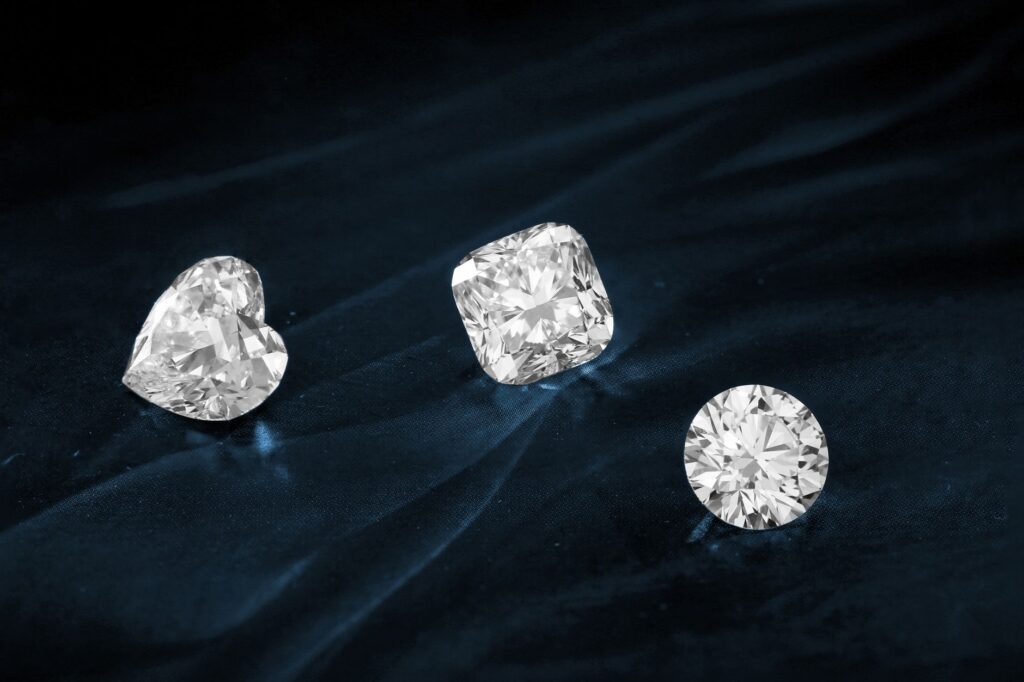
Emerald cuts take a different approach. They trade some sparkle for shape, clarity, and a more architectural feel. Buyers choosing between the two are usually deciding whether they want the most light performance or a more distinctive and linear design.
Emerald Cut vs Oval
Ovals also create an elongated look, and they usually show more sparkle than emerald cuts. They are often chosen by buyers who want a larger appearance with a softer outline.
Emerald cuts are more angular and structured. They tend to appeal to shoppers who want a cleaner, more precise shape rather than a softer silhouette.
Emerald Cut vs Radiant
Radiant cuts combine a rectangular outline with brilliant-style faceting. They generally offer more sparkle and can be better at hiding inclusions than emerald cuts.
Emerald cuts are calmer and more transparent visually. If sparkle is the top priority, radiant may be the better fit. If clean geometry and a sleek appearance matter more, emerald cut usually has the edge.
Emerald Cut vs Asscher
Asscher cuts are also step cuts, but they are usually square and have a more compact look. They often feel more vintage and formal, while emerald cuts feel longer and more streamlined.
Both shapes reward careful buying because both show clarity and symmetry strongly. The choice usually comes down to square versus rectangular proportions and whether the buyer wants a more antique or more modern feel.
Important Buying Considerations
Emerald cuts are best purchased with a close eye on details. Since the shape is less forgiving than many brilliant cuts, buyers should look beyond carat weight and focus on the diamond’s overall appearance.
Cut Quality and Proportions
Emerald cuts are not always judged with the same standardized cut grades used for round brilliants. That makes visual review especially important. Pay attention to symmetry, facet arrangement, balance, and how the diamond handles light.
A well-cut emerald diamond looks composed and even. A poorly cut one may appear flat, dull, or awkward, even if the carat weight seems attractive on paper.
Clarity Grade
Clarity matters more in emerald cuts because inclusions are easier to see through the open facets. Buyers should inspect images or videos carefully and avoid assuming that a good grading report automatically means the diamond will look clean to the eye.
For many shoppers, it is worth prioritizing a diamond that appears eye-clean over one that simply has a technically acceptable grade. That practical approach is especially useful in this shape.
Color Grade
Emerald cuts can show color more clearly, so many buyers choose a higher color grade than they might consider in a round brilliant. This is particularly relevant for larger stones and for settings in white gold or platinum.
Some buyers prefer warmer-looking diamonds in yellow or rose gold, where the metal color can complement the stone. The right choice depends on the overall look the buyer wants, not just the grading scale.
Length-to-Width Ratio
The ideal ratio is personal. Some buyers like a more classic rectangle, while others prefer a longer, slimmer outline. It helps to compare actual examples rather than relying only on numbers, since two diamonds with similar ratios can still look different in person.
Photos alone can be misleading, especially when settings, lighting, and camera angle affect the appearance. When possible, side-by-side comparisons are much more useful.
Setting Choice
The setting changes how the diamond looks and wears. A solitaire highlights the shape, while a halo adds sparkle and can make the center stone appear larger. Side stones can also influence how long or substantial the ring looks on the hand.
Because emerald cuts have corners, protective settings or secure prongs are worth considering. They help support the stone during everyday wear, especially for buyers who plan to wear the ring often.
Certification
Whether buying natural or lab grown diamonds, certification is important because it provides an independent assessment of the stone’s characteristics. A grading report helps buyers compare options more confidently and understand the basic quality factors.
Still, a report is not the same as visual evaluation. Emerald cuts depend heavily on what the eye sees, so certification should be treated as part of the decision, not the full answer.
Natural vs Lab Grown
Emerald cuts work well in both natural and lab grown diamonds. The difference is usually budget and buying priorities. Lab grown diamonds can allow buyers to focus more on size, color, and clarity, while natural diamonds may appeal to shoppers who value rarity and traditional market perception.
Neither option changes the shape itself. What changes is how much flexibility the buyer has when selecting the stone.
Emerald Cut Diamonds in the Lab Grown Market
Lab grown diamonds have made emerald cuts more accessible for many buyers. Since lab grown stones generally cost less than natural diamonds of similar size and grade, shoppers may have more room to choose a larger diamond or improve the clarity and color level.
This is especially helpful for emerald cuts because the shape tends to reward careful quality selection. A lab grown emerald cut can offer strong visual size and a very clean appearance without pushing the budget as far as a comparable natural diamond might.
That said, buyers should still approach lab grown emerald cuts with the same standards they would use for natural ones. The shape does not become easier to judge just because the diamond is lab created. In fact, because buyers often use the savings to go larger, proportion and clarity can become even more important.
What to Watch For in Lab Grown Emerald Cuts
The same buying rules apply. Review proportions, symmetry, clarity, and color carefully. Do not assume that all lab grown emerald cuts will look similar simply because they have the same grading report.
In some cases, buyers use the lab grown price advantage to upgrade both size and quality. That can be a smart strategy in this shape because the open faceting makes the benefits of a cleaner, better balanced stone easier to appreciate.
Common Mistakes Buyers Make
Emerald cut diamonds are beautiful, but they are easy to shop for incorrectly if a buyer focuses only on the basic headline numbers. These are some of the most common mistakes.
Choosing by Carat Weight Alone
Carat weight matters, but it does not tell the full story. Two emerald cuts with the same weight can look very different depending on depth, proportions, and outline balance.
A stone that carries too much weight in the depth may look smaller face-up than expected. Buyers should compare measurements and visual spread, not just the carat figure.
Ignoring Clarity Images
Because inclusions are easier to see in emerald cuts, skipping image review is a common mistake. A diamond can look acceptable on paper but show obvious marks in a close photo or video.
That is why many shoppers prefer stones with high-quality images and detailed certification. Seeing the actual stone matters more in this shape than in many others.
Assuming All Emerald Cuts Sparkle the Same
Emerald cuts vary more than some buyers expect. Cut precision, symmetry, and proportions all affect how much life the diamond has in motion.
Some stones will show lively, attractive flashes. Others may appear flat if the cut is less balanced. Comparing multiple stones is often the best way to understand the differences.
Not Considering the Setting
The ring setting can support the emerald cut or work against it. A setting that is too heavy, too narrow, or visually mismatched can change how large or balanced the diamond appears.
Because the shape is so linear, the setting should complement the outline rather than compete with it. A good setting helps the stone look intentional and well proportioned.
Expecting Round Brilliant Performance
Some first-time buyers compare every diamond shape to a round brilliant. That can create unrealistic expectations because emerald cuts are not designed to behave the same way.
They are about elegance, clarity, and structure more than nonstop sparkle. Once buyers understand that difference, they are often better able to judge whether the shape suits their taste.
Frequently Asked Questions
Are emerald cut diamonds more expensive than other shapes?
Not necessarily. Price depends on carat weight, color, clarity, cut quality, and whether the diamond is natural or lab grown. Emerald cuts may be priced differently from other shapes because demand patterns vary by style and market segment.
What often affects cost more than the shape itself is the need for better clarity and color in order to achieve the clean look many buyers want.
Do emerald cut diamonds sparkle less?
Yes, they usually produce less overall sparkle than brilliant cuts like round, oval, or radiant diamonds. Their light performance is broader and calmer rather than fast and glittery.
Many buyers choose emerald cuts specifically because they prefer that refined look over more intense sparkle.
What clarity is best for an emerald cut diamond?
There is no single best clarity grade for every diamond, but clarity is more important in emerald cuts than in many other shapes. Buyers should inspect the stone carefully and aim for a diamond that appears clean to the eye.
In practice, many shoppers prefer to stay in a range where inclusions are unlikely to be visible without magnification, especially in larger stones.
Do emerald cuts look bigger than other diamonds?
They often can. The long rectangular shape and open surface area can create strong face-up size, which makes the diamond appear larger from above than the carat weight alone might suggest.
Exact appearance still depends on depth, width, and setting, so two emerald cuts of the same weight may not look identical in size.
Are emerald cut diamonds good for engagement rings?
Yes, emerald cuts are a strong option for engagement rings, especially for buyers who want a sophisticated and less common look. They also work well in many setting styles, from classic solitaires to more elaborate designs.
The main thing to keep in mind is that they require more careful selection than some other shapes, since clarity, color, and proportions matter so much.
Are lab grown emerald cut diamonds a smart choice?
They can be, depending on the buyer’s priorities. Lab grown emerald cuts often offer strong value at purchase, especially if the goal is to maximize size, clarity, or color within a set budget.
As with any lab grown diamond, buyers should still consider certification, long-term preferences, and how they feel about resale and market perception.
What setting works best with an emerald cut?
Solitaire settings, three-stone rings, and tasteful halos all work well with emerald cuts. The best choice depends on whether the buyer wants the diamond itself to be the focus or wants extra visual presence around it.
For everyday wear, secure prongs or a setting that helps protect the corners is worth considering.
Why do emerald cuts look so different from round diamonds?
The difference comes from the faceting style. Round diamonds use brilliant-style faceting to create maximum sparkle, while emerald cuts use step-cut faceting to create broader flashes and a cleaner, more open look.
That difference in structure is what gives each shape its own visual personality.
Conclusion
Emerald cut diamonds are trending in 2026 because they fit the way many buyers want to shop today. They offer a clean, elegant shape, a strong visual presence, and a style that feels current without losing its classic appeal.
They are also well matched to the lab grown market, where buyers may have more flexibility to choose a larger or higher-quality stone within budget. That combination has made the shape especially appealing for engagement rings and other fine jewelry purchases.
At the same time, emerald cuts are not the easiest shape to buy casually. They show clarity and color more readily, and they do not produce the same sparkle as brilliant-cut diamonds. For buyers who appreciate their quiet sophistication, those traits are part of the attraction rather than drawbacks.
If you are comparing diamond shapes, it helps to view emerald cuts alongside round, oval, radiant, and Asscher diamonds. Looking at the differences in sparkle, spread, and finger appearance usually makes the best choice much clearer.