If you are trying to understand what is a very good cut diamond, the simplest answer is that it is a diamond that performs well in light and usually looks attractive to the eye, but does not reach the top cut grade assigned by the grading lab. In practical terms, it is often a strong middle-to-upper option for buyers who want a beautiful diamond without always paying the premium that can come with the highest cut grade.
That matters because cut is one of the most visible parts of diamond quality. It affects brightness, sparkle, contrast, and the way a diamond looks in everyday settings, not just under store lights. A Very Good Cut diamond can look excellent to most shoppers, but the difference between Very Good and Excellent is not always obvious unless you compare stones carefully.
For lab grown diamonds and natural diamonds alike, cut is often the factor that has the biggest effect on what you actually see. A diamond with a strong cut can look lively and bright even if it is not the largest stone in the case. A larger diamond with weaker cut may appear less appealing than expected.
Quick Answer: What Is a Very Good Cut Diamond?
A Very Good Cut diamond is a diamond that has strong proportions, symmetry, and polish, but falls just short of the highest cut category used by a grading lab. In many cases, it still offers excellent visual beauty and strong light performance.
For most buyers, the difference between Very Good and Excellent is subtle rather than dramatic. If the stones are not side by side, many people will not notice much difference in everyday wear. When viewed closely, however, an Excellent Cut diamond may show slightly better brightness, sharper contrast, or a more refined sparkle pattern.
That is why Very Good Cut is often considered a practical value grade. It can give you a visually appealing diamond at a lower cost than a top-tier cut, provided the specific stone performs well.
Understanding Diamond Cut in Simple Terms
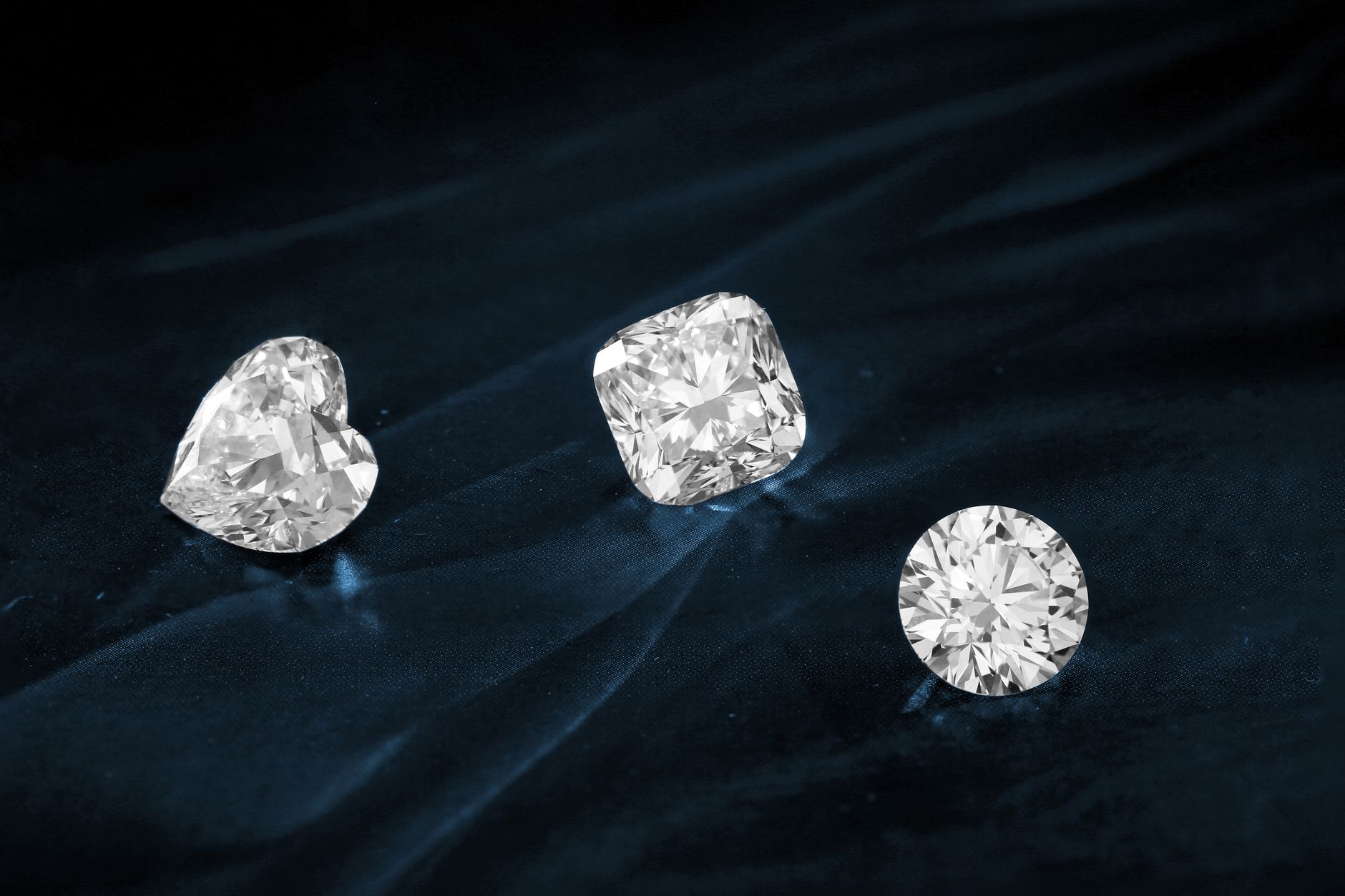
Diamond cut does not mean diamond shape. Shape is the outline, such as round, oval, princess, cushion, or emerald. Cut refers to how well the diamond was fashioned to handle light.
When buyers talk about cut, they are usually talking about three main things:
- Proportions, which are the diamond’s measurements and angles
- Symmetry, which describes how accurately the facets align
- Polish, which refers to how smooth and clean the facet surfaces are
These factors work together to determine how light enters the stone, bounces around inside it, and returns to your eye. When that process works well, the diamond tends to look brighter, more lively, and more balanced.
Cut is one of the most important quality factors because it has a direct effect on beauty. A diamond can have strong color and clarity, but still look underwhelming if the cut is weak. On the other hand, a well-cut diamond can often look more attractive than a larger stone with better color or clarity but poorer light performance.
What Very Good Cut Usually Means
Very Good Cut is a high grade, but it is not the highest. It usually indicates that the diamond has strong optical performance with only minor compromises in proportions, symmetry, or finish.
For a round brilliant diamond, a Very Good grade often means the stone should still appear bright and lively in normal viewing conditions. For fancy shapes such as oval, pear, marquise, or cushion, cut evaluation can be less standardized, so the grade alone may not tell the full story.
That is why buyers should think of Very Good as a starting point, not the final answer. Some Very Good diamonds are excellent values. Others may have visible drawbacks that make them less appealing than expected.
Why Very Good Cut Matters to Diamond Buyers
Cut matters because it influences the features most people notice first: sparkle, brightness, and overall visual life. Buyers may compare color and clarity on paper, but cut is what determines whether the diamond looks energetic and attractive in real life.
A diamond is not only viewed under controlled conditions. It is seen in store lighting, at home, outdoors, and under office or restaurant lights. A strong cut helps the diamond perform more consistently across those situations.
Very Good Cut matters because it often sits in a practical middle ground. It can be good enough to satisfy most buyers while leaving room in the budget for larger size, a better setting, or a different quality priority.
Appearance
From a buyer’s perspective, the main reason to care about cut is appearance. A well-cut diamond tends to look brighter and more lively. If cut is weak, the stone can look dark, glassy, or less sparkly than expected, even if the diamond is large or has strong color and clarity grades.
A Very Good Cut diamond usually performs well enough for everyday wear. If the stone is proportioned and finished carefully, it can look attractive and lively. The difference between Very Good and Excellent may be subtle, but subtle differences can still matter when you are comparing diamonds side by side.
Value
Cut also affects value because it changes what you are getting for the price. A Very Good Cut diamond may cost less than a similar Excellent Cut stone. That price difference can be useful if you want to put more of your budget toward carat weight, a better setting, or other quality factors.
The important point is that a lower price is not automatically better value. If a Very Good diamond is priced lower because its visual performance is also lower, the savings may not be worth it. The grade alone does not tell the whole story.
How Very Good Cut Affects Sparkle and Light Performance
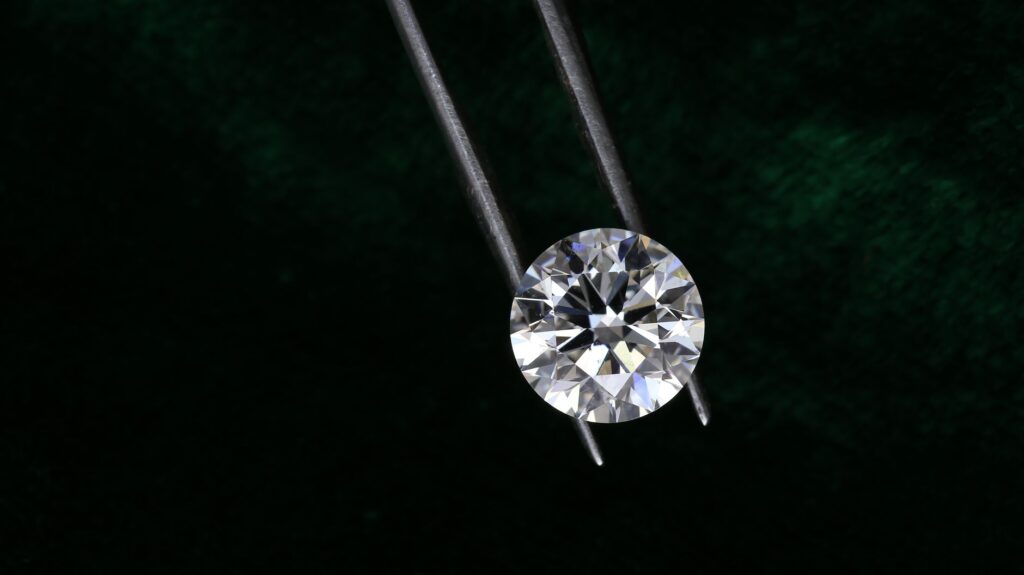
Cut is really about light performance. Buyers usually experience that through sparkle, brightness, and the way the diamond moves in changing light.
Three visual effects matter most: brilliance, fire, and scintillation. Each one contributes to the overall look of the diamond, and each one can be influenced by cut quality.
Brilliance
Brilliance is the white light a diamond reflects back to your eye. A brighter diamond often appears more lively and more eye-catching. Good proportions help maximize brilliance by returning light efficiently.
A Very Good Cut diamond can have strong brilliance, especially in a well-made round brilliant. Most buyers will see a bright and attractive diamond. An Excellent Cut stone may look a bit more even or efficient, but the difference is not always dramatic in casual viewing.
Fire
Fire is the colored flash you sometimes see when a diamond moves under light. It happens because the diamond splits light into spectral colors. Fire is part of what gives diamonds their lively look.
Very Good Cut diamonds can still show attractive fire. In some cases, the difference from Excellent is simply a matter of balance, not whether fire is present at all. Most buyers notice the overall sparkle first, not the exact source of each flash.
Scintillation
Scintillation is the sparkle pattern you see when a diamond moves. It includes flashes of light, flashes of darkness, and the visual contrast that makes the stone look dynamic instead of flat.
A well-cut Very Good diamond usually has pleasing scintillation. If the cut is borderline within the grade, the sparkle may be less crisp or the contrast pattern may not look as balanced. That is one reason two diamonds with the same grade can still look different in person.
Light Return
Light return describes how much light enters the diamond and comes back to the viewer. Strong light return helps a diamond look bright and alive. Weak light return can make the stone seem dull or sleepy in some areas.
Very Good Cut generally means strong light return, though not always the maximum possible. In a well-chosen stone, the difference between Very Good and Excellent may be hard to see without a direct comparison. In others, minor proportion differences may reduce brightness at certain angles.
How Very Good Cut Is Graded
Cut grading depends on the lab and the diamond shape, but the general idea is similar. Labs examine proportions, symmetry, polish, and how those features relate to expected light performance.
For round brilliant diamonds, major labs such as GIA use cut grades that typically range from Excellent to Poor. Very Good sits near the top of that scale. Other labs and vendors may also provide additional tools, such as light performance images or advanced optical assessments.
A grading report is useful, but it is not the same as seeing the diamond in person. The report helps you compare diamonds, but it does not fully capture how a specific stone looks under real-world lighting.
What the Grade Usually Considers
When grading cut, labs may look at factors such as:
- Table percentage, which is the size of the top facet compared with the diamond’s width
- Depth percentage, which shows how deep the diamond is relative to its width
- Crown angle and pavilion angle, which influence how light travels through the stone
- Symmetry, which affects the balance and alignment of the facets
- Polish, which affects the smoothness of the facet surfaces
These measurements help predict appearance, but they do not guarantee a perfect-looking diamond. Cut is a relationship between many factors, and two diamonds with similar numbers can still behave differently in light.
Why the Same Grade Can Still Look Different
This is one of the most important things for buyers to understand. A Very Good grade does not mean every stone in that category looks the same.
One diamond may sit near the top of the Very Good range and look nearly exceptional. Another may sit closer to the lower edge and show slightly less brightness or less refined contrast. That is why experienced buyers often compare images, videos, and proportion details when possible.
Very Good Cut vs Excellent Cut
Shoppers often ask whether they should spend more for Excellent Cut or save money with Very Good Cut. The right answer depends on how much you care about top-tier visual performance and how the rest of the diamond is balanced.
Excellent Cut is generally designed to produce the strongest and most consistent light performance within the grading system. Very Good Cut is still high quality, but it may involve slight compromises that reduce performance just a little.
| Feature | Very Good Cut | Excellent Cut |
|---|---|---|
| Brightness | Usually strong | Often slightly stronger or more even |
| Sparkle | Appealing and lively | Can be a bit crisper or more balanced |
| Visible difference | Often subtle | More likely to stand out in direct comparison |
| Price | Usually lower | Usually higher |
| Best for | Buyers seeking value | Buyers prioritizing top visual performance |
For many buyers, the difference is small enough that a Very Good diamond still looks beautiful in normal wear. If the stones are not side by side, it can be hard to separate them by eye alone.
Still, if sparkle is your top priority and the price gap is reasonable, Excellent Cut is often the safer choice. It gives you a better chance of getting the strongest light performance available in that shape and size.
What Buyers Actually Notice in Real Life
Technical grading matters, but most people care about what the diamond looks like in everyday life. That is where cut quality becomes truly practical. A diamond may be seen under jewelry store lights, natural daylight, office lighting, or softer indoor lighting.
Most buyers notice the overall impression first. They ask whether the diamond looks bright, lively, and attractive. They usually do not notice facet angles or proportion details unless someone points them out.
In Store Lighting
Jewelry stores often use bright lighting that makes many diamonds look extra sparkly. This can make it difficult to judge cut quality at a glance because even a diamond with weaker performance may look lively in a spotlight.
Very Good Cut diamonds can look impressive in this environment. The real question is whether the sparkle remains attractive when the stone is viewed more naturally, not just under intense lighting.
In Natural Light
Daylight is often more revealing. A diamond with strong cut quality usually looks bright and lively without needing dramatic lighting. Subtle differences between Very Good and Excellent may become easier to see in daylight, especially when you compare stones side by side.
You may notice that an Excellent Cut diamond has slightly more even brightness or cleaner contrast. Then again, the difference can still be small enough that most casual observers would not comment on it.
At Home and in Daily Wear
Most of the time, buyers want to know how a diamond will look once it is actually worn. That is where cut matters the most. A diamond should look attractive in normal indoor light, office settings, and when the wearer is moving through daily life.
A strong Very Good Cut diamond can be a very practical choice here. It usually delivers a pleasing appearance without requiring the highest premium. For many shoppers, that is enough.
How Very Good Cut Affects Value
Value is not the same thing as the lowest price. A diamond is a good value when its overall appearance and quality feel worth the money. Very Good Cut can be a strong value if it delivers most of the beauty of a higher grade for less cost.
Cut is one of the easiest places to balance budget and beauty. Choosing Very Good instead of Excellent can sometimes free up money for a better mounting, larger size, or stronger color and clarity combination.
When Paying More Makes Sense
Paying more for Excellent Cut can make sense if you want the strongest possible visual performance. It may also be worth it if the price difference is small and you want the reassurance of buying at the top of the category.
Some buyers simply prefer to eliminate doubt. If you are sensitive to sparkle and want the best chance of a refined, lively appearance, the premium may be justified.
When Very Good Cut Can Be the Better Buy
Very Good Cut can be the better buy when the visual difference is hard to see and the price savings are meaningful. That is especially true if the diamond already has good color, good clarity, and attractive proportions.
It can also be useful if you want a little more carat weight within your budget. In that case, a carefully selected Very Good stone may give you a more satisfying overall ring than a smaller Excellent stone.
Diminishing Returns at the Top
Cut quality often involves diminishing returns. Once a diamond reaches a high level of performance, extra improvement can become more expensive than the visual gain justifies.
That does not mean the highest grade is unnecessary. It means the premium should be understood in context. Some buyers will notice the improvement right away, while others will find that a well-chosen Very Good diamond gives them almost everything they want.
Very Good Cut in Lab Grown Diamonds
Cut matters just as much in lab grown diamonds as it does in natural diamonds. The source of the diamond does not change how light behaves inside it. A diamond still needs good proportions and good craftsmanship to look its best.
Lab grown diamonds often give buyers more room in the budget, which makes cut an especially important decision point. A Very Good Cut lab grown diamond can be a smart option if it looks lively and balanced and helps you get the size or style you want.
The same caution still applies, though. Not every Very Good stone performs equally well. The grade is useful, but it should not replace a careful look at the actual diamond.
Why Cut Is Especially Important in Lab Grown Diamonds
Because lab grown diamonds can be more affordable than natural diamonds, buyers sometimes put size first and assume quality differences are less important. That can be a mistake. A bigger diamond that does not return light well may be less attractive than a slightly smaller one with better cut.
In lab grown diamonds, cut often has more influence on the final look than an extra fraction of a carat. Very Good Cut can still be a strong choice, but it should be evaluated carefully rather than selected automatically.
Examples of How Cut Changes What You See
Real examples help show why cut matters. The following scenarios are simplified, but they reflect common buying trade-offs.
A Well-Cut 1.5-Carat Diamond vs a Poorly Cut 2-Carat Diamond
This is one of the most common surprises in diamond shopping. A 2-carat diamond sounds larger and may look more impressive on paper, but weak cut can make it look flat, dark, or less lively than expected.
The well-cut 1.5-carat diamond may actually look more beautiful because it handles light better. Many experienced jewelers would rather show a buyer a smaller stone with better cut than a larger stone that does not perform well.
Excellent Cut vs Very Good Cut in Everyday Lighting
In everyday lighting, the difference is often subtle. Both diamonds can look attractive, and many buyers would be happy with either one.
The Excellent Cut stone may show a slightly more refined light pattern, while the Very Good stone may save enough money to improve another part of the purchase. If you are not comparing them side by side, the difference may be hard to identify.
Higher Clarity with Poor Cut vs Lower Clarity with Excellent Cut
Some buyers focus too heavily on clarity, but cut often has a bigger effect on beauty. A diamond with slightly lower clarity can still look very clean if the cut is excellent and the inclusions are not visible without magnification.
Meanwhile, a higher-clarity diamond with weak cut may fail to sparkle properly and could look less impressive overall. This is why balance matters. A diamond should look beautiful as a whole, not just score well in one category.
Advantages of Very Good Cut Diamonds
Very Good Cut has several practical advantages, especially for buyers who want a strong-looking diamond without always paying for the highest grade.
- Strong overall appearance, with good brightness and sparkle in many stones
- Better value than top cut grades in some cases
- More budget flexibility for size, setting, or other quality factors
- Often visually appealing in real-world lighting
- A balanced choice for buyers who want quality without chasing the highest premium
For many shoppers, this is a sensible middle ground. The diamond can still look refined and attractive while avoiding some of the cost associated with the very top grading tier.
Disadvantages and Trade-Offs
Very Good Cut is not automatically the best purchase. There are real trade-offs to keep in mind.
- Not always as refined as Excellent Cut, especially in direct comparison
- Quality can vary within the grade, so the label alone is not enough
- May show slightly less light performance in some stones
- Can be harder to judge online without videos or detailed images
There is also a personal trade-off. Some buyers may later feel more comfortable knowing they chose the top cut grade, especially for a diamond that is meant to be worn for years. That preference is worth considering because diamond buying is often both practical and emotional.
Buying Considerations When Choosing a Very Good Cut Diamond
If you are considering Very Good Cut, the best approach is to judge it in context. Cut should never be viewed alone. It works together with color, clarity, carat weight, shape, and setting design to create the final result.
Budget
Start with your total budget and decide what matters most. If size is important, Very Good Cut may help you reach a preferred carat weight. If sparkle is the main goal, compare it carefully against Excellent Cut options before deciding.
The best value is not always the cheapest diamond. It is the diamond that looks best for the money you plan to spend.
Visual Performance
Whenever possible, look at the diamond in person or review high-quality videos and images if shopping online. Pay attention to brightness, pattern, and whether the sparkle looks consistent across the stone.
Some Very Good diamonds look nearly identical to higher grades in normal wear. Others show a more noticeable difference when compared directly. Your own eye is important, especially if you care deeply about sparkle.
Certification
Always review the grading report. A reliable certificate gives you useful information about cut grade, proportions, symmetry, and polish. This is especially important when comparing lab grown diamonds, where documentation helps buyers make clearer comparisons.
Certification is helpful, but it is not the final word on beauty. It should guide your evaluation, not replace it.
Shape
Cut matters differently depending on shape. Round brilliant diamonds are usually judged most strictly, and the cut grade is often highly informative. Fancy shapes such as oval, pear, and cushion can still be beautiful at Very Good levels, but the grading system may be less predictive of appearance.
If you are comparing shapes, remember that the ideal cut criteria for a round diamond are not the same as for an emerald cut or oval. Shape-specific evaluation matters.
Lab Grown Diamond Considerations
Lab grown diamonds often give buyers the chance to maximize one feature without giving up another. A Very Good Cut lab grown diamond may let you increase size or improve the overall budget balance. That can be a sensible strategy if the diamond still looks lively.
As with any diamond, the finished appearance matters more than the summary grade alone.
Common Mistakes Buyers Make
Cut is one of the easiest diamond factors to misunderstand. Here are some common mistakes buyers make when shopping for a Very Good Cut diamond.
Prioritizing Carat Over Cut
A larger diamond may sound better, but size alone does not guarantee beauty. A poorly cut stone can look less impressive than a smaller one with stronger light performance.
Overpaying for Clarity That Is Hard to See
Some buyers spend too much on clarity while ignoring cut. If the inclusions are not visible to the naked eye, a cleaner grading report may add less visual value than better cut.
That is especially true when the diamond is already bright and well proportioned.
Ignoring Light Performance
Not all sparkle is equal. Some diamonds look flashy in one lighting environment and dull in another. Good cut helps a diamond stay attractive across different settings.
If a diamond is not returning light well, the report details will not make it look better in person.
Assuming All Very Good Diamonds Are the Same
This is a common mistake. A Very Good label tells you the diamond is good, but not exactly how it performs. One stone may be close to top-tier performance, while another sits closer to the lower edge of the grade.
That is why videos, images, and proportion data can be so useful.
Believing Every Diamond Sparkles the Same
All diamonds reflect light, but the quality of sparkle varies. Cut determines whether the stone looks crisp and vibrant or merely reflective. Two diamonds with similar size and color can still look very different because of cut.
What Experienced Diamond Buyers Often Look For
People who shop diamonds regularly, including many jewelers and informed buyers, often focus on how a stone looks in motion and under mixed lighting. They usually want a diamond that appears bright from the center to the edge, without obvious dull areas.
They also look at contrast patterns. Good contrast can make sparkle look more lively. Too much darkness or uneven light return can make a diamond feel less balanced.
When comparing Very Good and Excellent, experienced buyers often ask a simple question: can I actually see the difference without relying on a lab report? If the answer is no, the lower-priced stone may be the smarter value. If the answer is yes, the premium may be worthwhile.
Frequently Asked Questions
Is a Very Good Cut diamond worth buying?
Yes, it can be. A Very Good Cut diamond is often a strong choice for buyers who want good sparkle and value without always paying for the highest cut grade. The key is to compare the specific stone, not just the label.
Can you see the difference between Very Good and Excellent cut?
Sometimes, but not always. In direct side-by-side comparisons, a careful buyer may notice subtle differences in brightness, contrast, or sparkle precision. In everyday wear, many people will not notice a major difference.
Does Very Good Cut sparkle enough?
For most buyers, yes. A well-made Very Good Cut diamond should still look bright and attractive. If sparkle is your top priority, compare it with Excellent Cut stones before deciding.
Is Very Good Cut okay for an engagement ring?
Absolutely. Many engagement ring buyers choose Very Good Cut diamonds and are satisfied with the result. The important question is whether the specific diamond looks lively and well balanced in the setting you want.
Is cut more important than color or clarity?
In many cases, yes. Cut has the strongest influence on sparkle and overall appearance. Color and clarity still matter, but weak cut can make a diamond look less appealing even if those other grades are strong.
Should I choose a smaller Excellent Cut or a larger Very Good Cut?
It depends on your priorities. If visual performance matters most, the smaller Excellent Cut may be better. If you want more size and the Very Good diamond still looks lively, the larger stone could offer better overall value.
Does Very Good Cut matter less in lab grown diamonds?
No. Cut matters just as much in lab grown diamonds because it still controls light performance. Since lab grown diamonds often offer strong value, cut quality helps determine whether you are getting the best appearance for your budget.
Should I avoid Very Good Cut diamonds?
Not necessarily. Many Very Good Cut diamonds are beautiful and offer excellent value. The best approach is to judge the stone by its real appearance, grading details, and overall balance rather than rejecting the grade automatically.
Conclusion
A Very Good Cut diamond is a high-quality diamond that usually offers strong brightness, sparkle, and overall beauty, often at a lower price than an Excellent Cut stone. For many buyers, that makes it a practical and attractive option.
The main takeaway is that cut grade alone does not tell the full story. A carefully chosen Very Good Cut diamond can look impressive in everyday life, especially if the proportions, symmetry, and polish are strong. But because cut has such a direct effect on light performance, it is worth comparing stones carefully rather than assuming every diamond in the same grade will look the same.
If you are shopping for a lab grown diamond or a natural diamond, focus on what you can actually see. Look for brightness, lively sparkle, balanced contrast, and a shape that suits your taste. When those factors come together, a Very Good Cut diamond can be a smart and satisfying choice for many buyers.